Everything You Need To Know About Metal Seam Roofing Systems 2025
If you’re considering a roof upgrade, metal seam roofing systems might be on your radar. These durable roofs can last up to 50 years, offering both beauty and longevity. Our blog will guide you through what standing seam metal roofing is, its benefits, costs, and installation tips to make an informed decision for your home.
Keep reading – it’s time to shine a light on your roofing options!
Understanding Standing Seam Metal Roofing
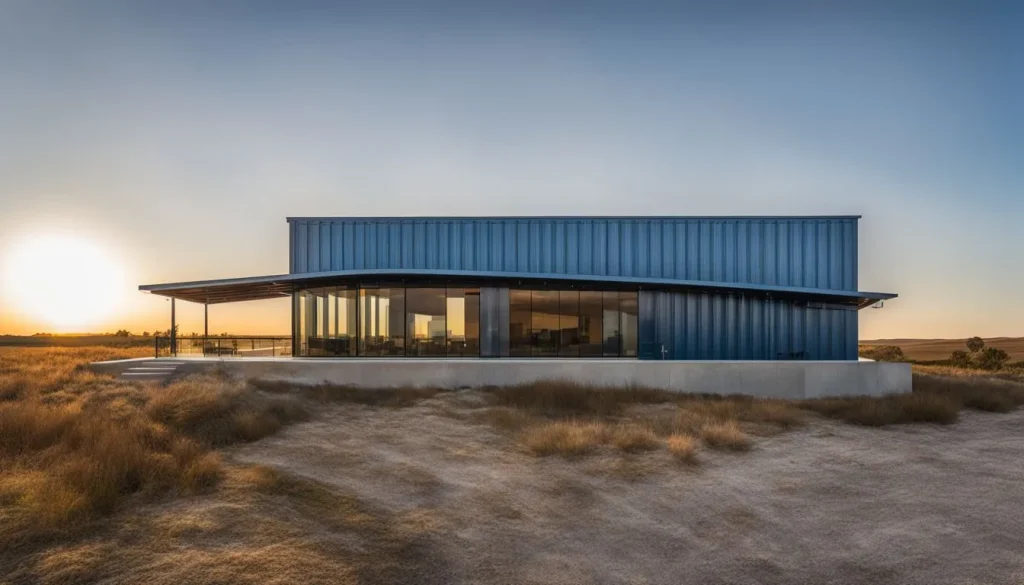
Before diving into the nuts and bolts of standing seam metal roofing, let’s unpack exactly what sets this durable and sleek roofing option apart. It’s not just another roof overhead; it’s a precision-engineered system designed to provide exceptional protection and aesthetic appeal for your home.
What is Standing Seam Metal Roofing?
Standing seam metal roofing is a type of roof that has raised seams, or folds, where the panels join together. This design keeps the screws hidden and protects them from water. Made from high-quality steel or aluminum, these roofs are strong and built to last a long time.
They’re put together right at your home to make sure they fit perfectly.
These metal roofs come in many styles like Medallion-Lok and Instaloc. They keep out bad weather very well and look great on houses. Plus, with no exposed screws, the risk of leaks goes way down.
Moving on, let’s explore how a metal roof is made up of different parts.
The Components of a Residential Metal Roof System
Standing seam metal roofs are more than just panels; they’re a combination of parts that protect your home. Each piece plays a vital role in keeping the roof strong and looking great. Here are the key components:
- Roof Decking: This is the foundation of your metal roof system. It’s usually made from wood or plywood, and it’s where everything else is attached. The decking needs to be solid and sturdy to support all the other parts.
- Metal Panels: These are the main part of your roof. They are long, flat sheets of metal like steel or aluminum that lock together at the seams. Metal panels cover your whole roof and keep water out.
- Lock Strips: Lock strips join the metal panels tightly together. They make sure there’s no space between panels for water to sneak through.
- Clips: These small but important pieces hold the metal panels onto the roof decking without being seen. Since they’re hidden, we call them concealed fasteners.
- Underlayment: This is a layer that goes on top of your roof decking but under your metal panels. It’s like an extra shield that helps keep water away from your home if it gets past the metal panels.
- Z Bar: A Z bar is a strip of metal shaped like, you guessed it, the letter Z! It’s used around edges and joints to help connect spots where two different surfaces meet on your roof.
- Ridge Capping: This covers up where two slopes of your roof come together at the topmost point, creating a nice finish and keeping out rain and snow.
Advantages and Disadvantages of Standing Seam Metal Roofing

When it comes to upgrading your home with a metal seam roofing system, understanding the advantages and disadvantages is crucial for a well-informed decision. A standing seam roof may be a beacon of durability and modern aesthetics, but let’s dive into how its long-term benefits measure against initial investment concerns.
Long Lifespan
Standing seam metal roofing systems shine when it comes to how long they last. They can keep your home dry and cozy for 30-50 years with the right care. This beats other common roofs like asphalt shingles which you might need to swap out more often.
Plus, these tough roofs have a special Kynar 500 paint that guards against sun damage and wear for up to three decades.
Imagine not having to worry about fixing your roof all the time! Metal roofs don’t ask for much. Once installed, they stand strong through hot sun, heavy rain, and wild winds without needing constant checks or repairs.
You’ll have peace of mind knowing your roof is built to endure ages of weather challenges while keeping its good looks year after year.
Maintenance-free
Metal roofs are a smart pick if you want to cut down on chores. They don’t need much work to keep them looking good and working right. With these roofs, you won’t spend weekends checking for damage or fixing things up like you might with other kinds of roofs.
Rain washes dirt away, so they stay clean without help.
Moss and stains that bother other roof types often skip over metal ones, saving homeowners headaches and extra cleaning jobs. Time saved on upkeep means more chances to enjoy your home or tackle other projects instead.
Plus, since metal roofs can last over 30 years without fading or weakening, they’re a set-and-forget solution perfect for busy lives. Now let’s think about the cost factors that come into play with these sturdy rooftops.
Cost Factors
Standing seam metal roofing systems come with different price tags. The costs can change based on how big your roof is, what kind of metal you pick and how much you pay for work. A 2,000-square-foot roof might set you back anywhere from $20,000 to $34,000 if you go for steel or aluminum.
You also need to think about the thickness of the metal, known as gauges; thicker metals like 22-gauge steel are stronger but cost more than thinner ones.
Colors, finishes and panel widths add to your bill too. If workers need to take down an old roof first or fix up the base where the new roof sits—that will cost extra. Panels per square foot are priced between $10 and $35 which can really affect your final cost depending on how large an area needs covering.
And don’t forget labor—it can run from $3,400 up to a steep $10,000 depending on who does it and how complex your project is!
Different Types of Standing Seam Metal Roofing Systems

Dive into the diverse world of standing seam metal roofing systems where each type offers a unique blend of aesthetics and performance; whether you’re retrofitting an old building or crafting a modern masterpiece, there’s a metal roof solution tailored to your project needs.
Explore options from sleek, concealed fastener designs to robust, curved panels that redefine durability – all crafted for both their functional prowess and their contribution to architectural beauty.
Standing Seam – IMP
Standing Seam – IMP, which stands for Insulated Metal Panel, is a kind of metal roofing designed to give your roof extra protection and insulation. It comes with layers that include a foam core sandwiched between two sheets of metal.
This setup makes the roof strong against bad weather and helps keep your house warm in winter and cool in summer.
Because it has such good insulation, Standing Seam – IMP can be more energy-efficient than other roofs. It locks out moisture and heat very well. The panels join together tightly with hidden fasteners, making them look sleek and smooth.
This roofing system isn’t just tough; it also adds beauty to any home or building, boosting the curb appeal.
Standing Seam – Curved
Moving from the straight lines of IMPs, standing seam metal roofing also offers a curved option. This style is catching on because it adds a modern twist to any building. Curved metal panels create a unique look and are perfect for roofs that want to stand out.
Metalart takes this innovation further; they let you curve their standing seam systems right where you’re working. That means big savings on moving those panels around. The panels bend easily, giving your roof smooth curves without lots of extra effort or special tools.
Plus, when you go with curving on-site, it’s easier to make sure everything fits just right since you can adjust as needed.
Retrofit/Recover
Retrofit/recover options for standing seam metal roofing are great for fixing up old roofs without removing them. Think of it like giving your roof a new, strong jacket to wear. This method covers an existing roof with a brand-new metal one.
It’s quicker and can cost less than taking off the old roof and starting over.
Roofs get tired after many years, but you don’t always need to tear them down. With retrofitting, a lightweight metal frame is placed on top of the current roof. New metal panels lock into this frame, creating a fresh, tough surface that stands up against weather and time.
Plus, it looks shiny and new!
After talking about how retrofitting gives an older roof new life, let’s look at what hides underneath those sleek panels—the “Concealed Fastener” system..
Concealed Fastener
Moving from retrofit and recover options, let’s talk about the concealed fastener feature of standing seam metal roofs. This hidden gem is what gives these roofs a clean and smooth appearance.
Clips and lock strips hold the metal panels in place without showing any screws or rivets on the surface. Thanks to these concealed fasteners, there’s less chance for water to sneak through screw holes.
That means your roof gets an extra layer of protection against leaks.
These cleverly designed fasteners are tucked away under each panel, which not only protects them from harsh weather but also creates a more durable roof overall. Installers love this system because it allows the roof to expand and contract with changing temperatures without causing damage.
For homeowners, this translates into fewer worries about repairs and maintenance over time—making it a smart choice for anyone looking for lasting quality in their roofing solution.
Factors Affecting Standing Seam Metal Roof Cost

Navigating the financial aspects of standing seam metal roofing requires a deep dive into the variables that shape costs. It’s not just about picking out your preferred style; factors like the scope of your roof, choice of metals, complexity of labor, and additional requirements all converge to create a tailored price point for this durable investment.
Roof Size
The size of your roof plays a big part in figuring out how much a standing seam metal roofing system will cost. Bigger roofs need more materials and take more time to cover, which makes the price go up.
A simple roof shape like a gable or hip is easier on the wallet because it’s faster for pros to work on. But if your house has lots of peaks or dormers, get ready for a higher bill.
Let’s say you have a home with several levels or steep slopes; these features can make it harder for roofers to do their job safely. They might need special equipment to reach high places, and that means extra costs.
Always keep in mind that access issues are not just about safety— they tie directly into how much you will spend on your new metal roof.
Metal Type
Understanding that the size of your roof plays a crucial part in calculating costs, the type of metal you choose is just as critical. Metals like steel and aluminum are popular picks; they’re both strong and lighter than some other options.
Steel is often galvanized, which means it’s coated with zinc to protect it from rust. This makes it really good at fighting off corrosion over time. Aluminum is also resistant to corrosion and is lighter than steel, which can make installation easier.
Then there are metals like copper and zinc that bring a unique look to your roof with a natural color change over time—copper develops a greenish patina while zinc takes on a charming grey hue.
These materials are usually more expensive but they offer incredible longevity and can create a distinctive appearance for your home. Keep in mind, thicker metal panels mean greater durability but will hit your wallet harder than thinner ones, so consider how much protection versus cost matters to you when choosing the right metal type for your standing seam roofing system.

Labor
While the type of metal can impact the cost, paying for skilled workers is a big part of installing a metal roof. The average labor price ranges from $3,400 to $10,000, which works out to about $2 to $6 per square foot.
This includes putting up sheet metal, screwing panels together correctly and making sure everything is tight and secure.
Roofs that are tricky to get on or very steep will cost more because they’re harder for roofers to work on. If you have a house with many levels or angles in your roof, expect labor costs to go up too.
It’s really important to hire pros who know how to install these roofs right so they last long and keep their warranty.
Additional Factors
Labor isn’t the only thing that will affect the cost of your standing seam metal roof. Other elements also play a big role in how much you’ll spend. Here are more factors to consider:
- Roof Complexity: A simple, flat roof costs less than a complicated one with slopes or many corners.
- Roof Access: If it’s hard to get to your roof, it might cost more for workers to bring up their tools and materials.
- Geographic Location: Where you live can change the price. In places where living is expensive, roofing work often costs more too.
- Market Rates: Sometimes, what people in your area are willing to pay can set the price for roofing services.
- Seasonal Demand: Getting your roof done when fewer people want the same service could lower the cost.
- Tear-off of Old Roofing: If workers need to remove an old roof first, they will charge more for this extra work.
- Insulation and Ventilation Work: Adding these can help with energy bills but will also add to upfront costs.
- Finishing Details: Things like special coatings or paint finish affect the final price tag on your roofing project.
- Warranties Offered: Roofs with better warranties might cost you more at first but can save money over time.
Standing Seam Metal Roofing Installation
When it comes to the installation of standing seam metal roofing, precision is key; choosing between a professional’s expertise and the challenge of a DIY project can define the success and longevity of your roof—discover how in our complete guide.

Professional Installation
Putting on a metal seam roof is a big job. It takes skill and the right tools to do it well. Here’s what happens when you choose professional installation:
- Experts first look at your roof to make a plan. They check the size, shape, and any special parts of your roof.
- The team brings all the materials needed, like metal panels, screws, and tools.
- They take off your old roof carefully. This includes shingles or wooden shakes that are there now.
- Pros put down a layer called underlayment. It helps keep water from getting in.
- Next, they install the metal panels. Each panel locks tightly with the next one to keep out rain and snow.
- Roofers use special clips to attach the panels to your roof without showing any screws.
- They add pieces called flashing around things like chimneys or pipes to stop leaks.
- Installation might also include adding energy – efficient options like cool roofing or places for solar panels.
DIY Installation
If you’re handy and enjoy tackling big projects, installing a standing seam metal roof yourself could be a rewarding challenge. Here’s how you can do it on your own, step by step:
- Gather all the necessary tools and materials such as a metal roof seamer, snips, screws, sheathing, and your chosen metal panels. Remember to pick up safety equipment like gloves and eye protection.
- Measure your roof carefully to know exactly how much material you’ll need. It’s important to order extra just in case of mistakes or waste.
- Remove the old roofing material down to the sheathing if it’s in poor condition. Make sure the surface is clean and ready for the new metal roof.
- Install underlayment across the entire roof for added protection against moisture. This helps keep water out if any gets past the metal panels.
- Begin attaching the metal panels at one edge of the roof according to manufacturer instructions. Use screws that are made for securing metal roofing—they will be corrosion-resistant.
- Fit each panel onto your roof with care. The panels must line up perfectly straight for the best look.
- Use a hand seamer tool or portable roof seamer when working with seams between panels. This creates a tight seal so water can’t get through.
- Keep going until all of your panels are securely attached to your home’s roof.
- Lastly, install any necessary trim pieces around edges and joints to give everything a polished appearance.
Conclusion
Metal seam roofs can be a smart pick for your home. They last long, are easy to care for, and look great too. Remember, the cost depends on your roof’s size and the metal you choose.
While putting them up costs more upfront, they can save money over time because they keep your house cooler. When it’s time to get a new roof, think about going metal – it might just be the best move!

FAQs
1. What are the main benefits of metal seam roofing systems?
Metal seam roofing is energy efficient and highly durable. It reflects sunlight, cutting down on cooling costs, and can stand up to extreme weather without corroding.
2. How does a metal roof compare to traditional shingle roofs?
Unlike shingle roofs that may need frequent replacement, metal roofs boast longevity and recyclability. They resist weather damage better than shingles and contribute less waste as they’re often made from recycled materials.
3. Is a metal seam roofing environmentally friendly?
Absolutely! Metal roofs not only use recyclable materials but also offer high energy efficiency, which means they help save on electricity bills by keeping homes cooler.
4. Can I install a metal seam roofing myself?
Installing a metal roof requires skill, so it’s best left to professionals unless you have experience in roofing or do it yourself projects.
5. Will my new metal roof be noisy when it rains?
Nope—it’s just a myth! When installed with solid sheathing beneath the seams, your new roof will mute noise from rain just as well as any other material.
6. Are there any styles of homes where a metal seam roof wouldn’t work?
Metal roofs can adapt to many home styles; however, flat roofs might need special considerations due to drainage concerns.
Please click here to get more detailed information and a price quote about metal seam roofing.