Standing Seam Roof Weight 2025
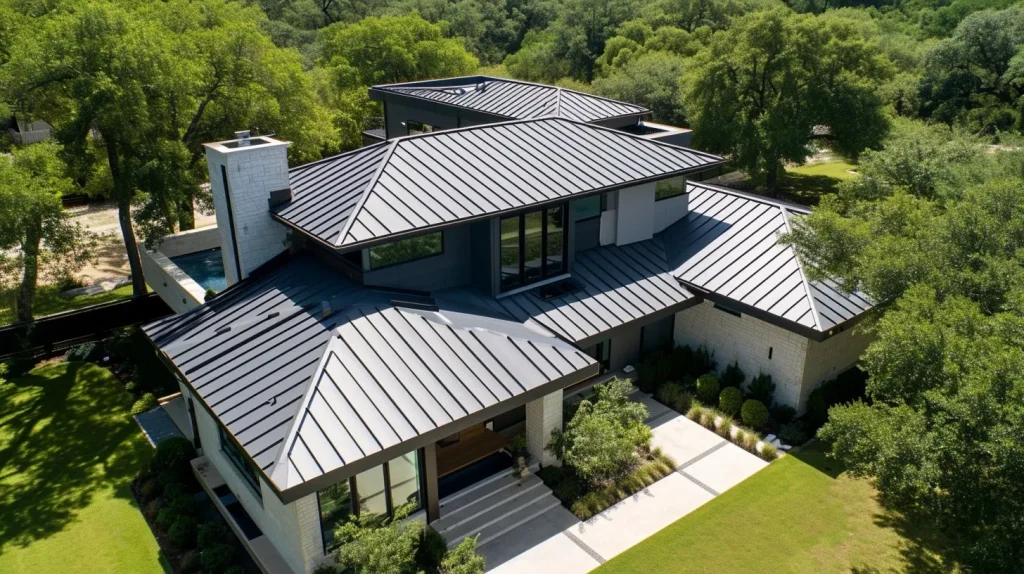
If you’re worried about how the weight of your new roof will affect your home, you’re not alone. Standing seam metal roofs are a surprisingly lightweight option, often weighing less than a pound per square foot.
Our guide dives into the details of these sleek roofs and how their feather-light structure can still pack a punch in durability. Keep reading—your perfect roofing solution might be lighter than you think!
Understanding Roof Weight

Jumping from a basic introduction to how roofs work, let’s dive into the importance of roof weight. A roof’s weight matters for your home’s structure. Heavy materials, like concrete tiles or slate roofing, need strong support to prevent damage.
Lighter options, such as metal roofing or asphalt shingles, are easier on your house.
It’s not just about choosing sheds or garages; it impacts whole buildings. Too much weight can strain walls and foundations. Before picking materials, consider their weight per square foot and think about the strength of your existing framework.
For safe homes and smart decision-making in constructions, knowing roof weights is key!
Standing Seam Roof Weight: An Overview
Deciding on the right roof can feel like a heavy task, especially when you’re weighing your options—literally. It’s a relief to know that standing seam metal roofs are one of the lighter choices out there, with some types weighing less than a pound per square foot. This post will lift the burden by guiding you through everything about standing seam roof weight and its impact on your home. Keep reading; it’s enlightening!
How Much Does a Standing Seam Roof Weigh?
A standing seam roof is a popular choice for its sleek look and long life. But many people wonder about its weight. Good news! Aluminum standing seam roofs are super light, at less than one pound per square foot.
Steel ones are also lightweight, only 1.5 pounds per square foot. This makes them easy on your home’s structure compared to other heavy roofing materials like concrete tiles.
You might worry if your house can support a metal roof without extra work. Don’t fret – these roofs won’t need more supports because of their lightness. Other roofs may be really heavy and need special supports built in to hold up all that weight safely.
Factors Influencing the Weight of a Standing Seam Roof
Now that we know a standing seam roof’s weight, let’s dig into what affects it. Many parts and materials come together to impact the final heft of your roof. Here’s a quick look at the key factors:
- Material Type: The metal used in standing seam roofs can change its weight. Aluminum is light, often under a pound per square foot. Steel is heavier, but how much depends on if it’s cold-rolled or not.
- Thickness of Metal: The gauge of the metal sheet also plays a big role. A 24-gauge metal roof will weigh more than a 26-gauge one because it’s thicker.
- Finish and Coatings: Layers of paint or coatings like Kynar or Hylar add to the weight, although not by much.
- Underlayment: Roofing systems use layers beneath the metal, such as felt paper or polyisocyanurate insulation which contribute to total weight.
- Roof Deck: The structure below everything else; whether it’s made from wood shingles, engineered woods, or gravel-surfaced builds up roof weight.
- Fastenings: Don’t forget about woodscrews and other fixings—they may seem tiny but they add up!
Comparing the Weight of Different Roofing Materials
When investigating the ideal roofing material for your home or project, the weight plays a significant role—a lighter roof can mean easier installation and less strain on your structure, while a heavier one might offer robustness against the elements.
Let’s dive into how standing seam metal roofs stack up in the weight department compared to other popular materials like shingles and tiles, examining their balance of heft and protection to help you make an informed choice.
Metal Roofs vs. Shingle Roofs
Exploring the difference between metal roofs and shingle roofs is fundamental in choosing the right material for your home. Metal roofing systems, such as standing seam roofs, offer a distinct set of characteristics when compared to traditional asphalt shingles. Below you’ll find a detailed comparison organized in an easy-to-read table format.
| Feature | Metal Roofs | Shingle Roofs |
|---|---|---|
| Weight | Aluminum: < 1 lb/sq. ft. Steel: 1.5 lbs/sq. ft. | 3-5 lbs/sq. ft. |
| Longevity | Up to 50 years or more | 15-30 years |
| Cost | Higher initial investment, but cost-effective over time | Lower initial cost, but higher lifecycle cost |
| Energy Efficiency | Reflects solar radiant heat, reducing cooling costs | Absorbs more heat, less energy-efficient than metal |
| Environmental Impact | Recyclable, often made from recycled materials | Less eco-friendly, contributes to landfill waste |
| Maintenance | Minimal maintenance required | Regular maintenance is necessary |
| Installation | Can be more complex, requires skilled professionals | Easier to install, more widely available services |
| Aesthetic Variety | Modern look, variety of colors and finishes | Traditional appearance, limited color options |
| Weather Resistance | Highly resistant to extreme weather conditions | Can be vulnerable to high winds, hail, and decay |
Metal roofs stand out as a lighter and more durable alternative to shingle roofs, reflecting their ability to offer long-term benefits for homeowners. Keep these differences in mind as you consider the right roofing material for your property.
The Heaviest Roofing MaterialThick clay tiles top the charts as one of the heaviest materials for roofing. They can tip the scales at over 15 pounds per square foot, making them a hefty choice for any structure.
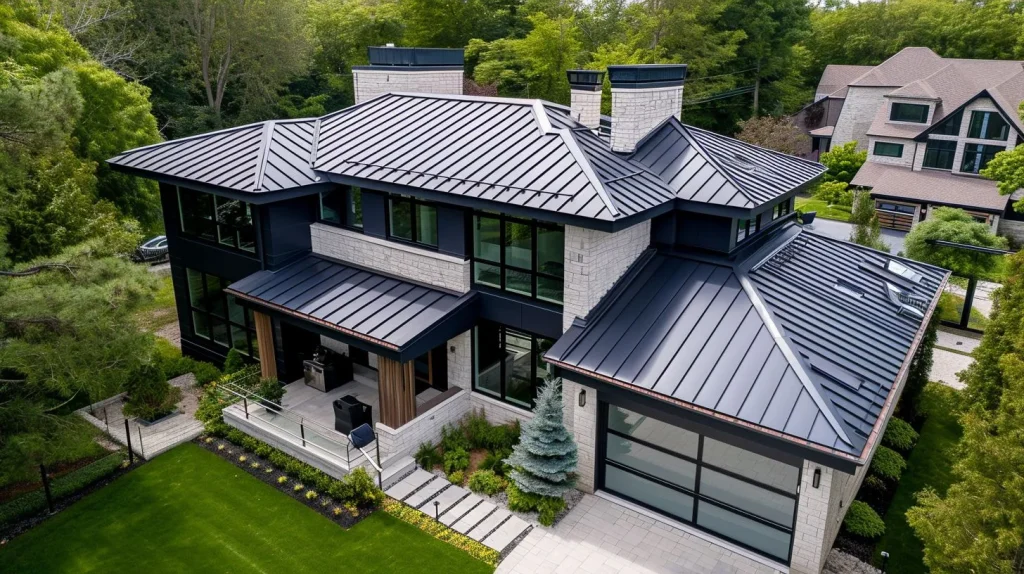
Homes need strong support to handle this weight without risking damage.
Unlike shingles or metal panels which are lighter, clay tiles demand careful planning during installation. Warehouses and homes with these types of roofs must be built with the load in mind from day one.
This ensures they stay safe and sturdy even under such a massive cover.
Lightweight Durability and Home Protection
Metal roofs bring tough protection to homes. They shield against heavy windstorms, pounding hail, and raging fires. Imagine a shield that doesn’t crack in the cold or let water sneak through—metal roofs do just that.
Their light weight puts less stress on your home but they still stand strong against Mother Nature’s worst.
Roofs built with aluminum or steel mean safety without weighing your house down. With materials as light as one pound per square foot, these metal tops keep homes safe from leaks and cracks.
Even under a blanket of snow or during a heatwave, your roof stays sturdy. It’s not just about lasting through one storm; it’s about keeping you protected year after year.
24 vs. 26-gauge Metal Roofing: A Comparison

Diving into the nuances of metal roofing, we’ll compare the weight and durability differences between 24-gauge and 26-gauge options—key insights for anyone making a rooftop decision.
Advantages and Disadvantages of 24-gauge Metal24-gauge metal stands tough against severe weather. It’s thick and strong, which helps prevent dings and dents during storms. Homeowners get a wider choice of top-quality paints and colors with this material.
These options let houses flaunt their style while staying protected.
But there are downsides too. This thicker metal can be harder to install, needing more effort from builders or DIY fans. It’s also pricier, nudging up the cost of roof projects. While offering great protection, 24-gauge may not be the easiest choice for every budget or building situation.
Advantages and Disadvantages of 26-gauge Metal
Switching focus to 26-gauge metal, this option brings its own set of benefits. It’s generally lighter on the wallet and easier for workers to handle during installation. You’ll find it more flexible, which can be a big plus when fitting panels onto complex roof lines.
Homeowners often choose 26-gauge for these reasons.
Yet, there are some trade-offs with thinner metals like 26-gauge. They can show imperfections such as oil canning—those wavy distortions that sometimes appear on the surface of metal roofs.
Also, they’re more prone to dents from hail or heavy branches compared to their thicker counterparts. So while cost-effective and user-friendly, this gauge doesn’t match the robustness of heavier options.
Conclusion
Standing seam metal roofs are light champions on your house. They fight off bad weather like pros – wind, hail, and even fires don’t scare them. Think about this – a roof that’s tough yet as light as a feather! If you’re building or fixing up your home, picking out a standing seam could be a smart move.
Trust me, it’s got muscles without the weight!
FAQs
1. What does a standing seam roof weigh?
Standing seam roofs are made from sheet metal, often weighing between 1 to 1.5 pounds per square foot. The exact weight can vary based on the material used and its thickness.
2. Is a standing seam roof heavier than other roofing types?
No, actually! A standing seam roof is lighter than built-up roofs and some other types like shakes. It’s rollformed from thin yet durable metal that stays lightweight.
3. Can my home support the weight of a standing seam roof?
Most homes can support these roofs because they’re not that heavy. But it’s always smart to have an expert check your specific situation just in case.
4. Are there benefits to the light weight of a standing seam roof?
Absolutely – the lighter weight means less stress on your building structure and potentially easier installation and maintenance compared to heavier roofing materials!