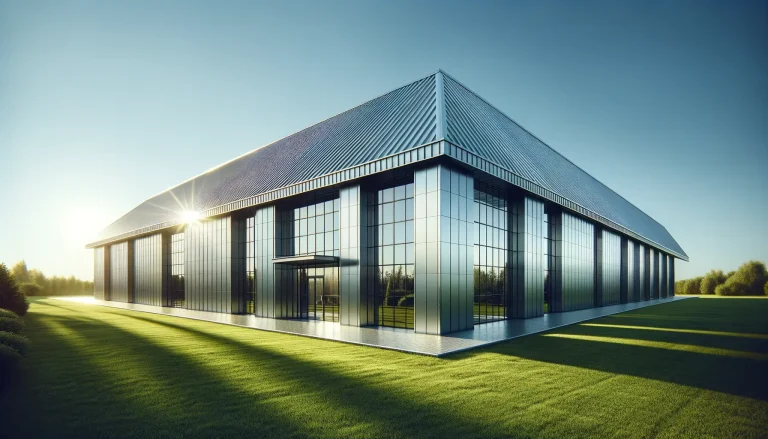
Standing Seam Roof Section 2025

Struggling with a leaky or outdated roof can be downright frustrating. Standing seam metal roofs are revolutionizing rooftops with their durability and sleek design. This post will guide you through the ins and outs of these robust roofing systems, offering solutions for those pesky roofing woes.
Let’s dive in!
Understanding Standing Seam Metal Roofing

Dive into the sleek world of standing seam metal roofing, a choice that marries robust protection with modern sophistication. It’s not just about covering your home; it’s about choosing a roof that stands up to Mother Nature while turning heads with its crisp, clean lines.
Definition
Standing seam metal roofing stands out with its unique design. The term “standing seam” comes from the visible raised edges that connect each metal panel. These seams rise above the level of the roofing itself, creating a distinct pattern that adds strength and weather resistance.
This type of roof is made from robust metals like galvanized steel, stainless steel, or aluminum alloys. Unlike traditional asphalt shingles or slate tiles, standing seam roofs offer superior durability and protection against elements like wind and fire.
They’re known for their sleek appearance that can give any building a modern edge.
Different Types of Panels
Standing seam metal roofs are popular for their sleek look and durability. They come in several panel types suited to different needs and styles.
- Snap-Lock Panels:
- Mechanical Lock Panels:
- Batten Panel Systems:
- Nail Flange Panels:
Features of Standing Seam Roofing

Diving into the world of standing seam roofing unveils a treasure trove of benefits that go beyond simple shelter. This sleek, modern choice is renowned not only for its robust defense against the elements but also for its ability to jazz up any architectural design with a crisp, clean aesthetic.
Durability
Standing seam metal roofs are tough. They can last up to three times longer than other types of metal roofing. This strength comes from the quality of their materials and how they’re put together.
Think about a coat of armor; that’s what the zinc layer does for steel panels – it keeps rust away. Aluminum options don’t just resist rust; they shrug off corrosion too, making them ideal for homes in places with lots of moisture or salty air.
Copper standing seam roofs are champions when it comes to longevity. Not only do they wear well over time but also contribute to sustainability because copper is 100% recyclable. These roofs stand strong against harsh weather like heavy snow and don’t need much care, so you save money and time on maintenance in the long run.

Aesthetics
Moving from the tough, long-lasting nature of metal roofs to their visual appeal, aesthetics play a major role in the choice of roofing material. Standing seam roofs offer sleek lines that give buildings a modern look.
This style can turn any structure into an architectural statement.
Using aluminum in standing seam panels adds a stylish touch to new construction projects. These rooftops catch light in a way that makes them stand out against traditional materials.
With clean, straight seams and no visible screw holes, they deliver elegance along with strength. Buildings with these roofs can easily become landmarks due to their striking appearance and contemporary feel.
Performance
Standing seam metal roofing shines in performance. With interlocking panels, it creates a water-tight barrier against rain and snow. These roofs stand strong against harsh weather, thanks to their concealed fastener system which guards against leaks.
Heavy winds don’t stand a chance either—guidance from the ASCE 7-10 manual helps in designing cladding that can handle natural wind actions without fail.
Maintenance stays low while life expectancy soars high for standing seam roofs. A properly installed roof using this method can outlive others by decades, resisting corrosion with ease.
You won’t find rust or wear taking away its strength early on because these roofs are built tough—as long as lighter gauge competitors don’t come into play, longevity is essentially guaranteed.
Installation of Standing Seam Roof System

Embarking on the installation of a standing seam roof system is like fitting together an intricate puzzle; every panel and seam must align perfectly to ensure peak performance. It’s not just about slapping metal sheets atop your home—this process involves meticulous craftsmanship, where precision meets durability for a sleek, weather-tight finish that stands the test of time.
Pre-NotchingPre-notching is a key step in installing standing seam metal roofs. Roofers cut notches at the end of each panel before installation. This helps panels fit together perfectly on the roof.
It makes sure edges are clean and lines up right for a tight seal. Good notching stops water and keeps out debris, protecting your home from leaks.
Next comes mechanically seaming the panels, another important part of putting on a standing seam roof system.
Mechanically Seamed
Mechanically seamed panels lock tightly together. They create a weather-tight seal perfect for low sloped roofs. Roofers use special tools to fold the seams after aligning the panels just right.
This method takes skill and costs more, but it keeps out water really well.
You can find these panels in different metals like steel or aluminum. Both have good corrosion resistance which stops rusting. Despite being expensive, mechanically seamed roofing is strong and lasts a long time.
Next up is the snap lock method – another way we install standing seam roofs!
Snap Lock Method
The Snap Lock method makes installing standing seam roofs a snap, literally. It has specially designed panels with male and female legs that lock together tightly. These interlocking pieces create a solid, water-resistant seal on your roof without needing any special tools or complex techniques.
Roofers love the Snap Lock system because it speeds up installation time. They just align the panels and press them into place. The metal locks itself along the edges, ensuring each piece is snugly fitted to its neighbor.
This genius design means no exposed fasteners which could let in water or cause corrosion over time. Your house stays dry and looks sharp too!
Comparison: Standing Seam vs. Corrugated Metal Roofs
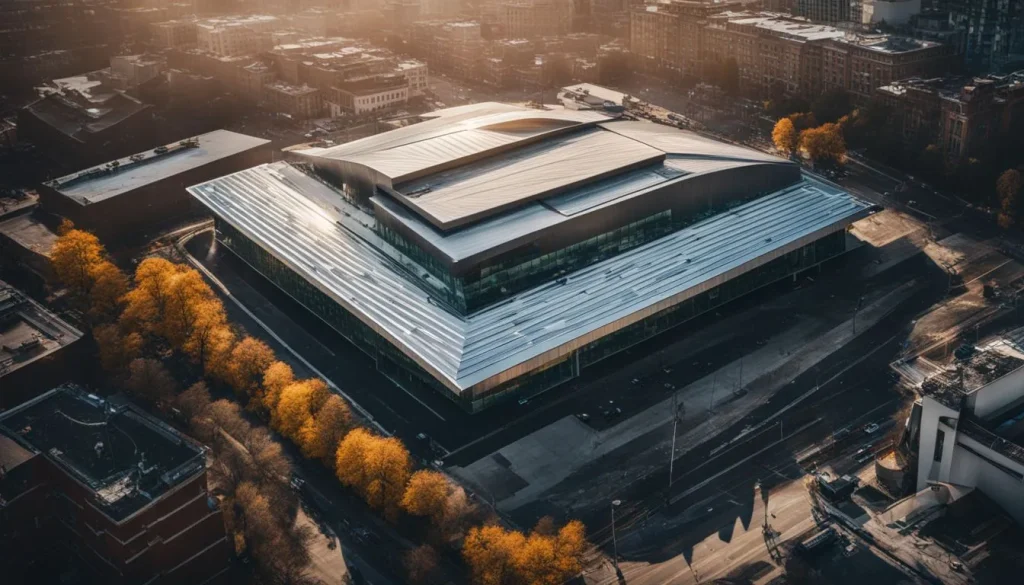
Let’s dive right in and compare two popular choices in the roofing game: standing seam and corrugated metal roofs. Each has its unique pros and cons, aesthetics, and applications.
| Feature | Standing Seam Metal Roof | Corrugated Metal Roof |
|---|---|---|
| Fastener Exposure | Hidden fasteners, reducing leak potential | Exposed fasteners, increased risk of water penetration |
| Durability | Typically thicker, more durable panels | Lighter gauge, less durable than standing seam |
| Longevity | Lasts 2-3 times longer than traditional materials | Less lifespan compared to standing seam |
| Installation | Can be more complex, requires professional installation | Simpler, quicker installation process |
| Aesthetics | Sleek, modern look with over 100 color options | More traditional, ribbed appearance |
| Cost | $8 to $14 per sq. ft., cost-effective over time | Generally less expensive upfront |
| Energy Efficiency | Added insulation options, better overall energy performance | Less energy efficient due to lower insulation capacity |
| Material Variety | Aluminum, steel, copper, and more | Primarily galvanized steel |
With these details at your fingertips, you’re better equipped to make an informed decision for your next roofing project. Up next, let’s unpack the conclusion…
Conclusion
Standing seam metal roofing stands out for its strength and style. With various metals to choose from, it resists corrosion and lasts long. Its unique design keeps roofs leak-free and looking sharp.
Installation methods like snap lock make it a solid choice for modern roofing needs. Think durability, think standing seam – the roof that weathers all storms with ease.
FAQs
1. What makes a standing seam roof section resistant to rust?
Standing seam roof sections are made corrosion-resistant by using materials like chromium – the same stuff that’s in stainless steel! This means your roof stays strong and good-looking for years, even if it rains a lot.
2. How does a hip roof design affect the standing seam installation?
Installing a standing seam on a hip roof takes skill because you have to make sure all the seams line up perfectly from top to bottom. It’s like piecing together an intricate puzzle where each piece has its own place.
3. Can you put gutters on a standing seam metal roof?
Absolutely! You can attach gutters to your standing seam metal roof just as you would with other roofs. The trick is installing them so they catch water without messing up the sleek look of those shiny metal panels.
4. Does sheathing go under the metal panels of my standing seam roof?
Yes, indeed – sheathing acts as a solid base right underneath those striking metal panels of your standing seam roof, providing extra strength and support against things like heavy snow or gusty winds.
Click for more information about Standing Seam Roof Section.