Average Steel Roof Cost 2025

Deciding on a new roof can be hefty on the wallet, especially when considering steel options. Did you know the average metal roof costs about $11,557? Our guide breaks down these figures to reveal what impacts the price tag and how you might save on installation.
Keep reading – we’ve got your roof concerns covered!
Understanding Average Steel Roof Cost

Steel roofs come with a strong layer of protection. They resist rust and can last for decades. This makes them a smart choice for homes and buildings. The steel used in roofing often has a zinc or an aluminum coating.
This adds to their strength against weather and time.
Many types of steel roofs are available, each with its own look and benefits. Corrugated metal panels bring a modern touch, while steel shingles mimic classic roof styles. Stainless steel options give a sleek finish that doesn’t corrode easily.
You can choose cool roof technology that reflects the sun’s rays, keeping your home cooler during hot days.
Choosing the right kind of steel roof means considering local climate, building design, and personal taste. The right pick will boost energy efficiencyand can be recycled later on – good news for both your wallet and the planet!
Average Steel Roof Cost in 2024

Prices for steel roofs have seen some changes by 2024. On average, homeowners might pay between $9,150 and $16,743 for a new metal roof. Costs can vary based on the type of metal used; galvanized steel starts at around $4 per square foot while higher-end materials like copper could reach up to $40 per square foot.
Remember that labor costs will affect your total price too. For instance, you could spend about $350 to $400 per sheet just on installation work. These prices are influenced by many factors such as roof size and complexity, local wages, and your contractor’s experience level.
Now let’s explore what drives these costs further in detail.
Factors Influencing Average Steel Roof Cost
The cost of your steel roof hinges on a myriad of factors — from the expanse it covers to the specific metal chosen, and even where you’re located — understanding these can make all the difference in planning your budget; let’s dive into what shapes the final number.
Roof Size
Roof size plays a big role in the price of a steel roof. Bigger roofs need more materials and this can drive up the cost. But, there’s something interesting about bigger projects – they might actually save you money per square foot.
Let’s say your home or building is pretty large, at least 1,000 square feet. In cases like these, the difference in material costs gets smaller.
Now think about smaller jobs with less space to cover. These might end up costing more per square foot because you don’t get those bulk savings. It’s all about how much metal roofing or zinc roofing you’ll need.
The key is that larger areas usually benefit from reduced pricing due to economies of scale – buying more often means saving more!
Metal Type
Choosing the right metal for your roof impacts cost and performance. Steel panels come in several types, such as corrugated, galvanized, or stainless steel. Each has a unique price point and features.
For instance, if you’re on a budget, corrugated steel is more affordable but comes with less protection against weather. Stainless steel costs more but stands up better to harsh conditions.
Your choice also affects installation expenses because different metals require specific fasteners and trim. Exposed fastener panels might seem like a deal until you factor in the extra cost for trim—about 25% more.
If you want fewer visible screws and a cleaner look, go for concealed fastener panels even though they can increase your bill by 30-40%. After choosing the metal type that suits your needs best, consider how your roof’s shape will influence total costs.
Roof Shape
The shape of your roof plays a big role in the cost of a steel roof. Complex designs like hipped roofs or mansard styles can up the price because they need more metal and labor. Simple gabled roofs are easier on your budget since they’re less complicated to cover with steel sheets.
Expect higher costs if your roof has lots of valleys, chimneys, or dormers. These features add complexity and require extra trim/flashing for weatherproofing. A straightforward, less intricate design will save money on materials and installation time.
Regional Wages
Wages vary a lot across different areas. In big cities, roofers often earn more because the cost of living is higher there. This means installing a steel roof in these places can cost you more money.
On the flip side, if you live in a smaller town or rural area, labor might be cheaper.
Local wages directly affect how much you’ll pay to get a new metal roof put on your house. It’s key to think about this when budgeting for your project. Workers need fair pay for their skills and time, and this is part of what decides the final price tag for your roofing job.
Contractor’s Level of Experience
The person who puts your steel roof in place matters a lot. A skilled contractor with lots of experience might charge more, but they know how to handle different roofs well. They can work with steep pitches and complex shapes without trouble.
Experience also means they can spot problems early and fix them right away. This could save you money over time.
Hiring someone new to the job could cost less at first. But if they make mistakes, it may lead to extra repairs later on. Always check how much practice a roofer has before deciding.
Also, look for someone who guarantees their workmanship; this shows confidence in their skills and protects your investment.
Average Steel Roof Cost by Type
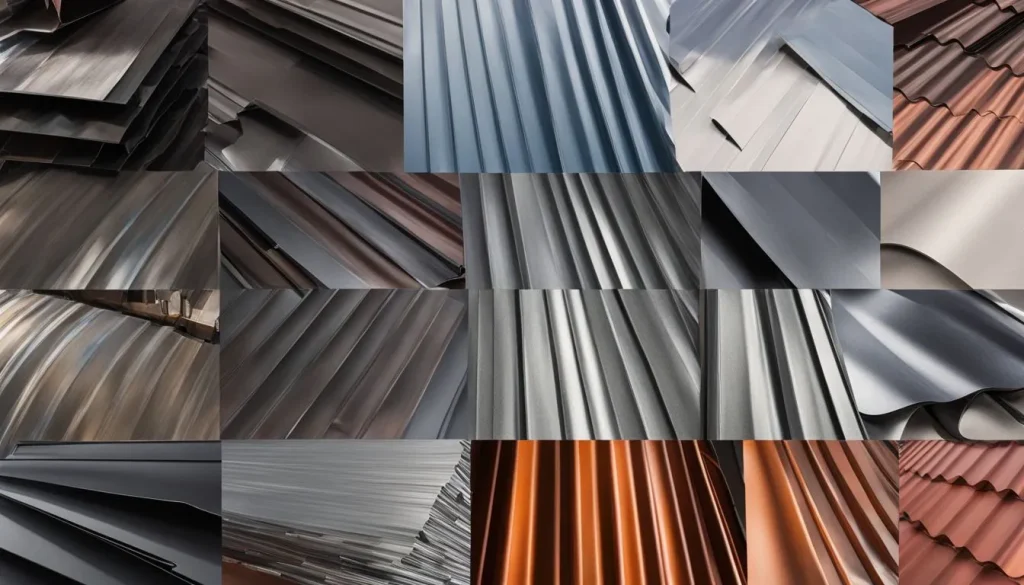
Dive into the eclectic world of steel roofing, where various types and their costs await—whether you’re contemplating sleek shingles or considering the chic sheen of stainless steel, there’s a price point for every preference.
Keep reading to uncover which steel roofing option aligns with your aesthetic and budgetary needs.
Steel Shingles and Tiles
Steel shingles and tiles can change the look and feel of your home. They cost between $2.00 to $5.00 per square foot, making them an affordable option for many homeowners. These metal roofs stand strong against severe weather and are known for their durability.
Unlike traditional roofing materials, they don’t need replacing often.
Choosing steel shingles means thinking about your needs and how much you want to spend. There are cool options like the Kynar® paint system that add extra protection to your roof.
You also get different thicknesses in steel panels, which can impact how long your roof lasts. Each choice affects the price but also changes what you get out of your new metal roof.
Stainless Steel
Stainless steel stands out with its sleek look and powerful corrosion resistance. It’s a smart choice for areas that face harsh weather or salty sea air. This type of metal roofing is pricier, usually costing between $800 and $1,700 per square.
But you pay for quality—stainless steel lasts a long time without rusting or losing its shine.
Choosing stainless means investing in durability and performance. Plus, it makes your home look sharp! If you’re thinking about a top-notch roof that shines under the sun while standing strong against the elements, stainless could be your go-to option.
Next up, let’s see what goes into the cost to install this stellar choice of roofing.
Cost to Install Steel Roofing
Diving into the nitty-gritty, we’ll explore how different factors like roof pitch and materials choices can add up in your steel roofing installation bill—stick around for a thorough breakdown that’s worth every penny of your future investment.
Pitch and Shape
Pitch and shape play a big role in how much you’ll pay for a steel roof. A steep pitch or unique angles mean more work for installers. They take longer to climb, measure, and work on complex shapes.
This can drive up the cost because they spend more hours on your project.
Simple roofs with gentle slopes are easier and faster to cover with metal sheets or shingles. Costs rise when dealing with high peaks, valleys, or curves. Remember that style matters too – fancy trim and special flashing designed for your roof’s shape add dollars to the final bill.
Next up is underlayment – it’s what goes under those metal pieces to keep your home dry.
Underlayment
Underlayment acts like a protective layer for your steel roof. It sits right between the steel and your house. This is why choosing the right kind matters a lot. Synthetic underlayment is what most experts recommend these days.
It’s tougher than the older felt type and handles bad weather better.
Installing synthetic underlayment comes at different prices, depending on who makes it. But spending on good quality pays off in the long run. It helps keep water out and can make your steel roof last even longer.
Trim/Flashing
Trim and flashing are key parts of a steel roofing system. They cover the edges and joints to keep water out. Costs for these vary based on roof type. For roofs with hidden fasteners, expect to pay 30-40% more for trim.
Steel roofs need strong flashing around chimneys, vents, and valleys. It’s usually made from the same metal as your roof. This makes sure it lasts long and protects well against leaks.
Always check that you’ve budgeted enough for this essential detail!
Finishes
Finishes on a steel roof make a big difference. They protect the metal from weather and rust, making your roof last longer. Think about Kynar® paint; it’s tough and keeps its color for years.
This finish is high-end but worth the cost because it stands up to harsh sun and heavy rains without fading or chipping.
Choose from different finishes like matte or glossy, depending on your style. Some coatings even reflect heat, saving money on cooling bills. These cool roofs are energy-efficient and help keep your house comfortable in hot weather.
Each finish comes with its price tag—thicker coatings mean higher costs but better durability over time.
Gutters
After choosing the right finish for your steel roof, it’s time to think about gutters. These are not just extra parts; they’re essential for keeping rainwater away from your home. Installing gutters could cost between $1,000 and $7,000.
That’s roughly $10 for every foot running along the edge of your roof. They come in handy during heavy rains by channeling water off the roof and away from your foundation.
Gutter guards might be a smart addition too, especially if you have lots of trees around. They help stop leaves and debris from blocking the flow of water. Keep in mind that adding gutters is part of the total cost when getting a new steel roof on your house.
It’s important to install them correctly to make sure they do their job well—protecting your investment in a shiny new steel roof.
Benefits of Average Steel Roof Cost
Average steel roof cost offers a strong return on investment through its blend of durability, maintenance ease, and energy efficiency—let’s dive into how these advantages can elevate your home’s performance and curb appeal.
Longevity and Durability
Steel roofs stand the test of time with their incredible lifespan. They often last 50 years or more, meaning you might never have to replace your roof again! This long life comes from steel’s tough nature—it laughs in the face of harsh weather and won’t spark into flames during wildfires.
Your home stays safe and sound beneath a durable metal shield.
Recycling is big with steel roofing too. These eco-friendly heroes are made from up to 60% recycled material and when they do finally retire, you can recycle them all over again. It’s like giving Mother Nature a high five every time it rains! Plus, they fight off corrosion like pros, thanks to special coatings that keep rust at bay for decades.
Ease of Cleaning and Maintenance
Durability isn’t the only benefit; keeping a steel roof clean is also easy. Metal roofs don’t attract dirt and debris like other materials do. You won’t need to clean them as often, which saves time and effort.
If you live in an area with heavy rain, nature does most of the work for you by washing away any dirt from your roof.
Maintaining a metal roof involves simple checks now and then. Look out for leaves or branches that might have gotten stuck. These roofs are tough against weather and rust, especially if they’re coated with zinc or another protective layer.
This means less worry about damage over time and more enjoying a sturdy, reliable roof above your head.
Energy Efficiency
Steel roofs work hard to keep energy bills low. Their shiny surfaces reflect the sun’s rays, meaning less heat sinks into your home. Imagine having a shield that sends most of the sunlight bouncing back into the sky—your air conditioner won’t have to fight so hard to keep you cool.
Some smart folks even add special paint that blocks UV light, cutting cooling costs by up to 30%. Lighter colors can make an even bigger difference, earning a cool roof certification and slashing up to 15% more off your energy expenses.
Choosing metal roofing is like selecting a top-notch insulation for your house—it keeps warm air in during winter and hot air out in summer. This year-round benefit provides comfort and saves money on heating too.
Efficient and effective, steel roofs are popular for those looking to shrink their energy footprint. Think about all you could do with extra savings from lower utility bills!
Let’s now glide into another advantage of steel roofing – its eco-friendliness..
Eco-Friendliness
Switching gears to eco-friendliness, steel roofing is a high-five for Mother Nature. These tough roofs are champions at being kind to our planet. They boast up to 60% recycled material and when their long life is done, they’re 100% recyclable.
No need for nasty chemicals during their lifetime either; that means streams stay clean and the air stays fresh.
Choosing a steel roof supports a healthier environment. Imagine your home sporting a top that’s made from stuff like old cars or tin cans—how cool is that? Every time you pick steel, you help cut down on waste in landfills and lower demand for new resources.
It’s like giving the earth a helping hand with every shingle!
Increased Resale Value
A steel roof boosts your home’s curb appeal. It makes it stand out and often leads to a higher selling price. Homeowners who choose metal roofs see about a 61.2% return on investment when they sell their homes.
This strong resale value is a big bonus along with the durability and beauty of steel roofing.
Choosing this upgrade means investing in your home’s future. Buyers love features like energy efficiency and low maintenance, which come standard with steel roofs. They are willing to pay more for these perks! So, putting on a metal roof now could mean extra cash later if you decide to move on from your current home.
Comparing Steel Roofing to Other Roofing Materials
Let’s dive right into how steel stacks up against other popular roofing materials. It’s a showdown for the ages—durability, cost, efficiency, and aesthetics all play major roles in making a roofing choice that you’ll be proud of for years to come. Here’s a comparison in an easy-to-digest table format:
| Material | Longevity | Cost (Per Sq. Ft.) | Energy Efficiency | Environmental Impact | Maintenance | Resale Value |
|---|---|---|---|---|---|---|
| Steel Roofing | 40-70 years | $5-$12 | High (reflective coatings) | Eco-friendly (30%-60% recycled material, 100% recyclable) | Low | Increases home value |
| Asphalt Shingles | 15-30 years | $1.50-$5.50 | Moderate | Less eco-friendly (petroleum based) | High | Varies |
| Clay Tiles | 50-100 years | $10-$18 | Good | Eco-friendly (natural material) | Moderate | Increases home value |
| Slate Roofing | 75-200 years | $15-$30 | Good | Eco-friendly (natural material) | Low | Increases home value |
| Wood Shingles | 25-30 years | $4.50-$9.00 | Lower | Eco-friendly (biodegradable) | High (requires treatment) | Varies |
| Concrete Tiles | 50 years | $3-$5 | Good | Eco-friendly (mineral-based) | Low | Increases home value |
| Aluminum Roofing | 50-70 years | $3.50-$7.00 | Very High (reflective) | Eco-friendly (highly recyclable) | Low | Increases home value |
Steel roofing brings a compelling mix of longevity, energy efficiency, and an environmentally conscious profile. It’s clear that when these factors weigh heavily in the decision-making process, steel can be a frontrunner for homeowners looking for a blend of practicality and sustainability. No wonder it’s a choice with growing popularity in neighborhoods across the country.
DIY Steel Roofing vs. Hiring a Professional
DIY steel roofing might sound like a way to cut costs. You could save money by not paying for a professional roofer’s services. But installing a metal roof takes skill and precision.
Without the right tools and knowledge, you may face leaks or other issues.
Choosing to install your own steel roof comes with risks. It can be tough work, and if done wrong, it could void the warranty on your materials. Hiring experienced pros ensures your roof is put on correctly.
They know how to handle challenges like complex roof shapes and bad weather conditions that can pop up during an installation job. Most importantly, they make sure your new steel roof lasts for decades without problems.
Frequently Asked Questions
10. Frequently Asked Questions:.
Navigating the complexities of steel roofing brings its fair share of queries – from overlayment viability to solar integrations and even repainting options. We’ve collated those burning questions you might have, providing clear, concise answers that cut through the noise and help streamline your decision-making process.
Can a average steel roof cost be installed over my old roof?
Yes, putting a steel roof over an old one can cut down on time and cost. You don’t need to tear off the existing roof. This means less mess and a faster job. It’s important to check that your old roof is in good enough shape though.
A pro should look for signs of rot or damage before adding the new metal layer.
Steel roofs fit well over shingles or other materials. But, you must add strapping first—it creates a strong foundation for the steel panels. Remember, each added layer means more weight on your home’s structure.
Be sure it can hold up all that extra load before you decide on this method!
Can I install solar panels on a average steel roof cost?
Switching from installing a new steel roof to adding solar panels is seamless. Steel roofs are strong enough to hold solar panels. This makes them an ideal base for your energy-saving setup.
You get durability and the added perk of solar technology.
Choosing a steel roof means you’re investing in something that lasts and supports green energy. The right metal type, like corrosion-resistant alloys, ensures your solar panel system stays secure for years.
Go eco-friendly with your roofing choice and boost its function with energy efficiency through solar panels!
Can I repaint a average steel roof cost?
Moving from solar panel installation to another common concern, repainting a steel roof is definitely doable. This process can give your old roof new life and improve its durability.
You’ll need to consider the type of paint system you go for since it affects both performance and cost. SMP and PVDF are the two main options for metal roofing panels. Be prepared, though—choosing PVDF means spending 30% to 40% more than you would on SMP painted panels.
Repainting isn’t just about choosing the right paint; factors like roof size come into play as well. The bigger your roof, the more paint you’ll need, which hikes up the price. Also, the gauge and finish type of your panels will influence overall expenses because thicker gauges generally cost more due to better quality materials being used.
With some planning and budgeting in hand, getting that fresh coat on your steel root can be a smart move to maintain its strength against elements over time.
Conclusion
We’ve explored the nuts and bolts of steel roof costs. From regional differences to material types, many factors shape the final price tag. Remember, investing in steel brings long-term savings—think less maintenance and energy costs down the road.
It’s not just a purchase; it’s an upgrade for your home’s future. Ready to take the leap? Your home will thank you with every raindrop that rolls right off!
FAQs
1. What’s the average steel roof cost per square foot?
The price per square foot for a steel roof varies, but metal roofing prices on average fall between affordable aluminum roofs and pricier copper roofs.
2. Why might my average steel roof cost installation cost more?
Installation difficulty can change the cost, mainly due to your home’s roof complexity—like steep slopes or multiple flashings—and the type of metal shingles or standing seam metal roofs you pick.
3. Are there any budget-friendly options for metal roofing?
Yes! Galvanized metal with a zinc coating is both resistant to corrosion and often more wallet-friendly compared to other metals like copper that develop a green patina over time.
4. Can I save money in the long run with a steel roof?
Absolutely – consider this: Metal roofs are energy-efficient which can lower bills; they stand up well against hail storms; plus, many use recycled materials and are themselves reusable!
5. How does paint affect my steel roof’s resistance to weathering?
A coat of latex paint won’t do much, but polyvinylidene fluoride (PVDF) coatings help your roof fight off corrosion and oxidation, keeping it looking good and strong through seasons.
6. Does installing a new average steel roof cost offer other benefits besides durability?
You bet – aside from being environmentally friendly, these robust shingle roofs shield carpentry below from leaks better than traditional shingle roofs and can boost your house’s overall value too!