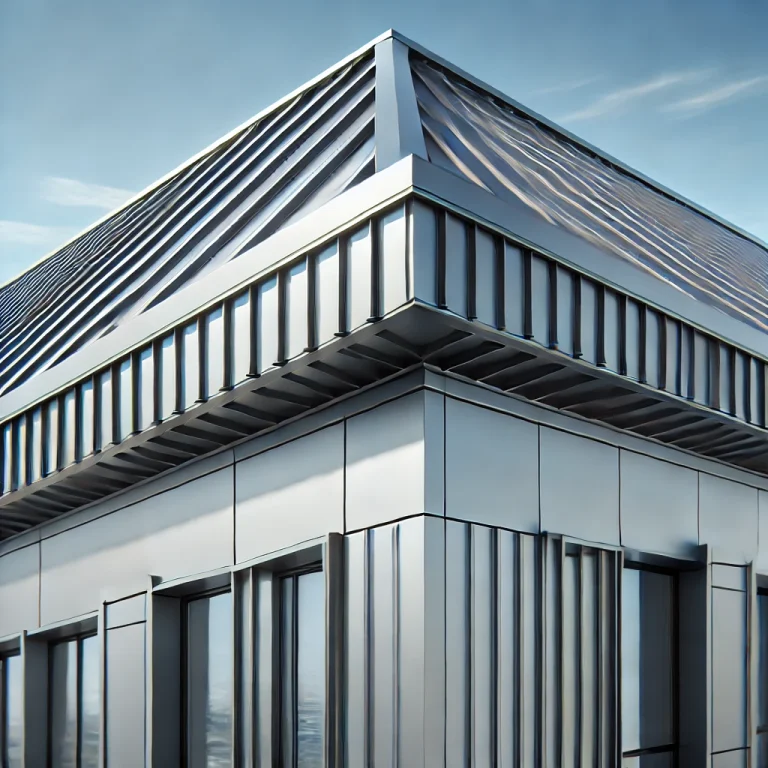
Understanding The Different Types Of Standing Seam Metal Roof Profiles
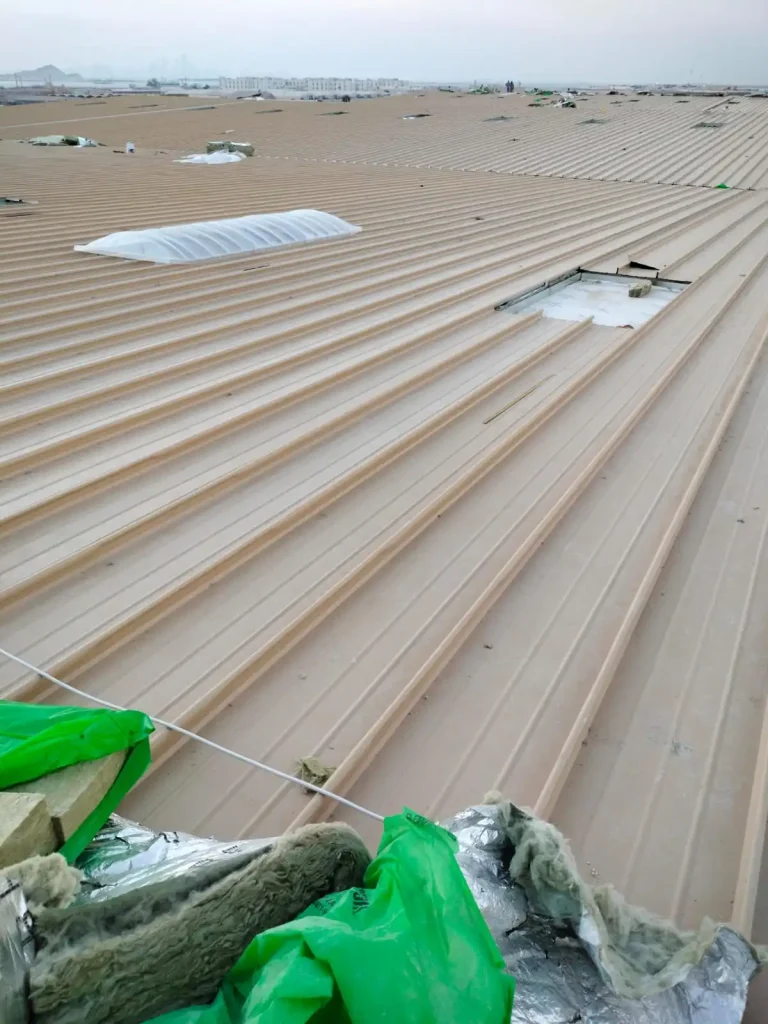
Introducing standing seam metal roof profiles can be an overwhelming task. With several different types, styles, and designs available, it’s important to understand the differences between them before making a decision for your project.
This blog post will explain the common types of standing seam metal roof profiles and help you select the right one for your needs. And with that said – let’s dive right in!
Types of Standing Seam Metal Roof Profiles

Common standing seam metal profile options include the snap-lock, mechanical seam and nail strip/fastener flange systems.
Snap-lock
Snap-lock standing seam metal roof profiles are roll-formed into shape and feature a male/female leg that snaps together to form the profile. Installation of snap-lock panels is simple, as they come preformulated with clips for easy attachment to the roof deck or open framing.
These clips provide suction between two parts of the panel, creating a weathertight seal without the need for exposed fasteners or mechanical seaming tools. This hidden connecting system also keeps screws and bolts from cluttering up your appearance while still providing plenty of strength against harsh weather conditions.
Because snap lock panels have minimal pitch requirements (minimum 2:12 slope), they can be used in a variety of applications including residential designs and commercial structures alike.
Mechanical Seam

Standing seam metal roof profiles consist of roof panels that are attached securely with clips to the roof deck and seamed together in the field using a roof seamer. The height of these seams vary depending on the profile type being used.
Unlike snap-lock, a mechanical seam profile connects them together for an extra strong hold. This type of metal panel system is most often found in commercial applications as it requires advanced installation techniques such as welding or roping off when connecting more than one panel system into one another (for large structures).
In residential projects, mechanically seamed metal roofs typically have their edges connected by a steel plow press–processed through several rollers for precise accuracy during connection pieces–and offer superior strength and wind resistance compared to other standing seam profiles due its concealed fastener standing seam system.
Nail Strip/Fastener Flange
Nail Strip/Fastener Flange profiles are one of the most common standing seam metal roofing systems available. The panels consist of flat sections with raised ribs that attach to the roof deck using a fastener through a slotted flange.
It has panel seam heights of either 1 inch or 1 ½ inch, giving it strength and wind resistance durability. This profile is also popular because it is very easy to install due to its floating clip system which allows for expansion and contraction.
Additionally, Nail Strip/Fastener Flange offers dependable weathertight protection for residential applications without high slopes thanks to their low profile nature compared to mechanical seamed roofs.
Differences Between Mechanical Seam, Snap-lock, and Nail Strip Profiles
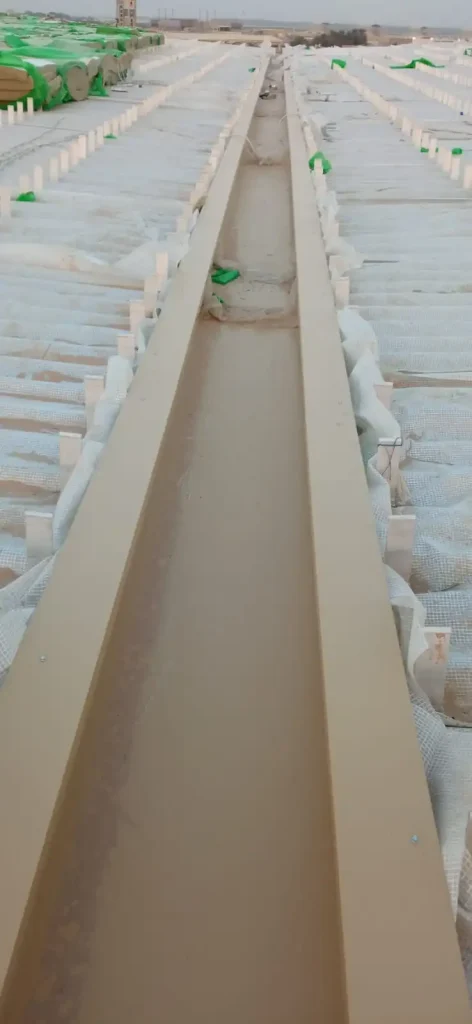
All these profile types differ in terms of their engagement method, attachment method, panel styles and installation approach.
Engagement method
Standing seam metal roof profiles feature different methods for attaching panels to the roof. Commonly used engagement types include snap-lock, mechanical seam, and nail strip/fastener flange.
Snap-lock is a concealed fastener system that utilises clips or gaskets attached beneath the panel or purlin to attach panels together for expansion/contraction due to thermal changes.
Mechanical seam not only uses mating edges between two adjoining pieces of material but also involves locking or folding of both sheets into place after being caught on flashing profile’s ridge locks ommonly referred as ‘the hem’ while Nail Strip Panel needs a specialized clip which are mounted underneath each piece leaving no exposed fasteners withstanding weather conditions better than other standing seams options available and it’s low profile allows panels more attractive visual appeal along with its describe durability.
Attachment method
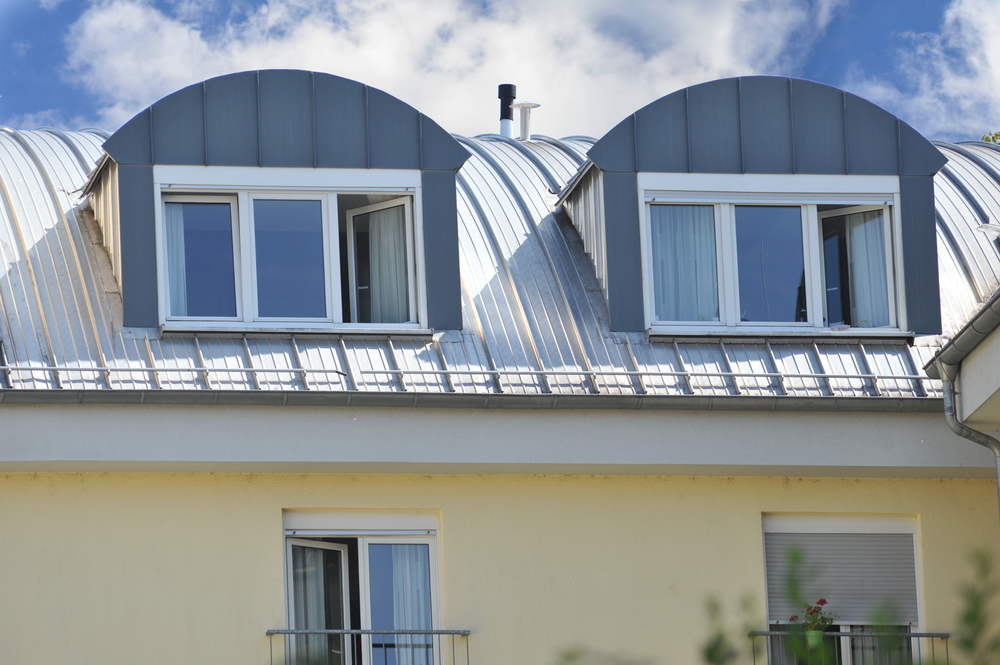
The installation of standing seam metal roof profiles is determined by the type of attachment method used. The two most common attachment methods are mechanical seam and snap-lock systems.
Mechanical seam systems involve joinery with a mechanically seamed tool while snap lock panel profiles use hidden clips to securely attach the male leg to the roof deck. Snap lock metal roofing does not require extensive tools for installation, making it faster and easier than many other installation types.
However, it typically requires more labor than mechanically seamed panels since each panel must be manually fitted together and locked into place on either side of a purlin or joist system in residential applications.
Nail strip/fastener flange profiles involve attaching panels directly to the deck using nails or another fastening device at regular intervals along the exposed flange edge of each panel – this can provide increased strength in higher wind loads, but may reduce water resistance because there will be gaps between panels that allow air and moisture infiltration if not properly installed.
Panel styles

Standing seam metal roof systems typically consist of either mechanical seam or snap-lock panels. Mechanical lock standing seam metal roofs are the most common type used and require a specific tool to crimp down the ends of each panel so that two separate panels can be joined together.
Snap-lock standing seam profiles, on the other hand, use an integrated clip system that securely locks panels together without any special tools required during installation. Nail strip/fastener flange profiles generally feature a wafer head fastener which is hidden beneath the profile itself providing an aesthetically pleasing look with maximum strength and wind load protection capabilities.
Each type of panel style offers unique benefits making it suitable for use in a variety of residential or commercial applications for both roofing and siding projects.
Installation approach

Different types of standing seam metal roof profiles require different approaches to installation. Snap-lock systems use hidden clips and fasteners to attach the male leg of the panels to the roof deck, allowing for a simple yet durable and secure connection.
Mechanical seam profiles are more complex, requiring a seaming tool in order to achieve an effective seal between each panel with no gaps or leaks. Lastly, nail strip/fastener flange panels have a slightly different approach: they uses small metal strips that get nailed directly onto the roof deck into which later sections slot together by means of integral clips on their lower edge.
Snap-lock requires less effort and time but is not as strong as twist lock while mechanical seamed roofs offer greater strength due to its higher rib heights which makes them suitable for steep slopes & high winds fastening method.
Nail strip/fastener flange systems meanwhile offer great structural integrity but can be labor intensive due to having two methods involved (first using nails then mechanical locking).
Benefits and Drawbacks of Each Profile Type

It is important to consider the benefits and drawbacks of each standing seam profile type when choosing the best system for your project, such as investing in a snap-lock panel with its concealed fastener design that provides durability and weathertight protection or a mechanical seamless roofing option that offers attached manufactured trim for easy installation.
Mechanical Seam
Standing seam metal roof profiles are designed to overlay existing roof decks using specialized, long-lasting materials and modern clips.Mechanical Seam is a type of profile which uses a concealed fasteners system for secure installation on the deck.
Clips are used to hold panels in place securely, making them very resistant to wind forces while also providing an optimal weather tight seal. Installation can be slightly more difficult than with other standing seam roofs as some manual labor may be require to line up each panel and press it into the clip properly.
However, if done correctly this efficient profile will reduce chances of leaks over time while providing extra protection from extreme conditions like storms or hurricanes. Additionally, many manufacturers offer warranties on their mechanical joint systems so there is peace of mind that your project has been properly installed and protected against potential damage!
Snap-lock

Snap-lock standing seam metal roof profiles are commonly used in residential applications due to their cost effectiveness, as well as convenience. Unlike other types of profiles such as mechanical seamed or fastener flange nail strip panels, snap-lock systems do not require purlins being attached to the existing structure before the installation process.
Instead, a clip is attached to each panel which clips into the standing seam on top and underneath the panel for secure attachment directly to the decking material. This method dramatically reduces both labor and installation time while still ensuring that your roof will remain weathertight and durable under harsh conditions.
Additionally, most manufacturers offer engineering capabilities with these types of roofs increasing its resistance against wind uplift forces when properly installed along with warranties protecting you from defects for many years down the line.
Nail Strip/Fastener Flange

Nail Strip/Fastener Flange profiles deliver a secure and watertight roofing system perfect for any residential application. These panels feature raised ribs that are directly fastened to the roof deck with a fastener through a slotted flange or clip to provide support and stability.
This style of standing seam requires fewer accessories compared to other types, making it relatively easier to install given its floating clip systemenables unique panel sizes as well as allowing expansion and contraction of the metal over time.
It is less prone to oil canning or waviness due to its design while offering strength and wind resistance properties. Another advantage is these roofs look better aesthetically since fasteners are concealed, also their low profile allows for slopes as low as 1/4″ per foot – ideal for existing steel decks adding little weight that could potentially strain purlins or an open framing construction but providing adequate dry-in protection on residential applications too!
Choosing the Right Standing Seam Profile for Your Project
When selecting a standing seam metal roofing profile, it is important to consider several factors. First and foremost, the chosen system must meet project design criteria and building code standards for the geographic area.
A good standing seam roof system also needs to match the desired appearance of the final product, whether it be residential or commercial in application. Lastly, three common types of standing seam metal roof profiles need consideration: mechanical lock/seam, snap-lock, and nail strip/fastener flange.
The installation approach affects which type of panel profile is best suited for a particular roofing job. Mechanical lock systems are mechanically seamed panels that roll into place with precision angled end locks for interlocking between panels; these require open framing while snap-lock systems feature overlapping side laps slightly raised above deck level creating an audible “snap” when engaged.
In contrast to these two concealed fastener profiles is Nail Strip/Fasterer Flange panels which attach directly to low or steep slope roofs via hidden clips allowing expansion and contraction during changing temperatures – they are often used on retrofit projects where existing decks have been prepared providing uniform attachment points across their length – this type offers both a wide variety 7 engineered and non-engineered reinforced ribs as well as multiple colors so matching special requirements such as energy compliance may also be met with nail strip specific material choices offered from manufacturers like Sheffield Metals.
Given all these possibilities it’s important that designers consider not merely quality but cost performance impact before arriving at any decision relative to the type of projecting being designed along with expectations vs realities involved in various engineering specifications from manufacturer websites.
Ultimately there should never ever be any further cuts made later down line regarding costs because customer satisfactory will suffer due uncertainty leading potential losses if warranty scares turn up out of affordability constraints making right decisions ahead time more consequential than subjectively assumed otherwise by contractors who will most unfortunately pay apart whatever comeback incidents might occur thus resulting into profit consumer reticence upon next marketing strategies implemented unconcerned what reputations could foretell about future prospects connected business intensions customers stand behold whenever choosing applicants pursue assigned contracts no counter measure sufficed rectify disrepute happened lay blame upwards towards respective board members after whom reverse those duties appear reasonably expected them once got appointed.
Conclusion

Installing a standing seam metal roof can be a great way to upgrade your home or commercial building, but choosing the right type of profile is essential in order to maximize durability and style.
The most popular profiles are Snap-Lock, Mechanical Seam and Nail Strip/Fastener Flange. Snap-lock features an interlocking system that allows for faster installation while providing a sleek finish with an extra layer of protection.
Mechanical seams require specialized tools and equipment as well as greater skill level on behalf of the installer than other types of standing seam roofs. Nail Strip/Fastener Flange offers concealed fastening which gives it higher weather resistance than snap-lock or mechanical seems making it ideal for high exposure areas such as rooftops exposed to windy conditions.
No matter what kind of project you have planned, there’s a standing seam metal roof profile out there suited for your needs – just make sure you consult with an experienced professional before making any decisions.