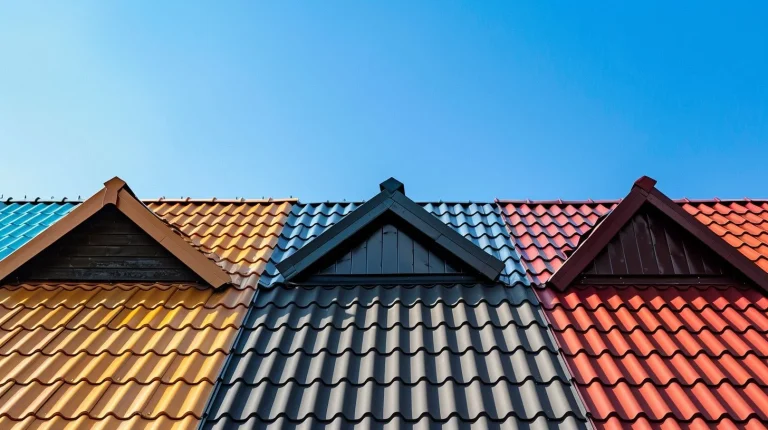
Standing Seam Roof Cost 2025

Deciding on a new roof can weigh heavily on your wallet and your mind. Standing seam metal roofs, renowned for their longevity and sleek appearance, come with an average installation cost of $27,000 for a 2,000-square-foot area.
This article peels back the layers of expense to reveal how this durable roofing option’s costs break down—empowering you with knowledge to make an informed decision. Read on; savings could be just around the corner!
Understanding Standing Seam Metal Roofing
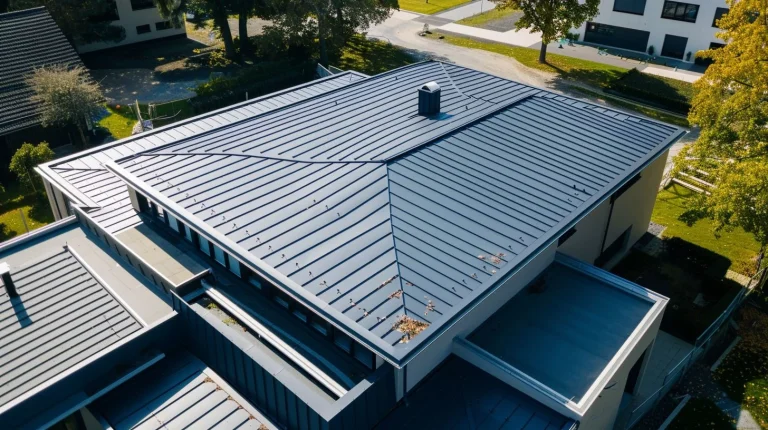
Shifting focus to standing seam metal roofing, it’s a special kind of roof made from metal panels. These panels run vertically up the roof and have raised seams which connect one panel to another.
This design is not just for looks; it also helps keep water out better than other types of roofs. Standing seam roofs are famous for their energy efficiency because they reflect sunlight away from your house, helping you save money on cooling costs.
Standing seam metal roofing stands out with its durability too. It doesn’t burn or crack like some materials, making it a smart choice in places where fires or harsh weather are common.
Plus, these roofs don’t need much care over the years and can often be recycled when they’re old – good news for people who care about the earth! With different metals to choose from, including galvanized steel and aluminum, there’s a type that fits every home’s style and climate needs.
Average Cost of Installing Standing Seam Metal Roofing
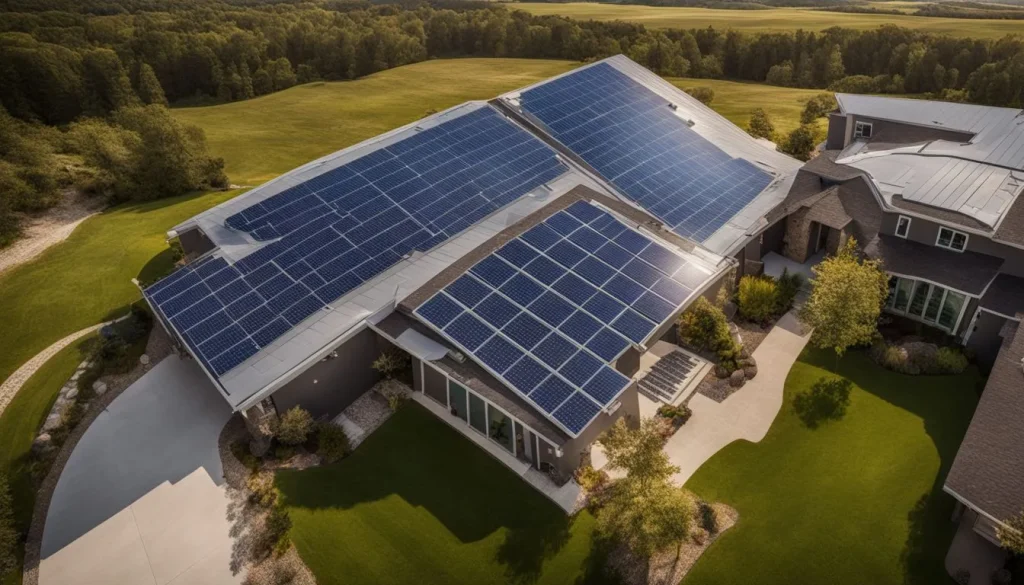
Putting a standing seam metal roof on your house is like buying a car; it’s a big expense, but it lasts long and looks sleek. For a standard home with about 2,000 square feet of roof, you might spend around $27,000 for steel or aluminum roofing.
Think of that shiny new roof as an investment in your home’s future—it can save energy and stand up to bad weather.
Choosing between steel or aluminum panels feels like picking out what shoes to wear—they both do the job, but they fit different needs. The cost of these panels swings from $10 to $35 per square foot depending on things like how thick they are and what color you choose.
Remember that good work doesn’t come cheap—with pro installers charging between $3,400 and $10,000 for their time depending on where you live. That said, getting pros means your roof gets done right and keeps its promise (the warranty).
This way, next time strong winds blow through town, you’ll be glad you got those tough-as-nails metal panels holding the fort down.
Moving onto the nitty-gritty details..
Breakdown of Standing Seam Metal Roof Installation Costs

Understanding the breakdown of costs for standing seam metal roof installation is crucial; it’s not just about the final price tag, but also recognizing what you’re investing in—let’s dive into the specifics that shape your roofing project’s budget.
By Roof Size
The cost of a standing seam metal roof can vary significantly based on the size of the roof. Larger roofs require more materials and more labor hours, thus leading to higher overall costs. Here’s how the costs can break down based on different roof sizes:
| Roof Size (Square Footage) | Average Cost Range |
|---|---|
| 1,000 sq. ft. | $13,500 – $20,000 |
| 1,500 sq. ft. | $20,250 – $30,000 |
| 2,000 sq. ft. | $27,000 – $40,000 |
| 2,500 sq. ft. | $33,750 – $50,000 |
| 3,000 sq. ft. | $40,500 – $60,000 |
Bear in mind, the above figures are averages and can fluctuate. Material choices, regional market rates, and roof complexity influence the final tally. Additionally, the larger a roof, the potentially more savings per square foot due to economies of scale. It’s wise to get multiple quotes to accurately assess the cost for your specific roof size and requirements. Remember, investing in quality installation ensures durability and longevity, which can offer long-term savings.
Material CostsMaterial costs for standing seam metal roofs vary widely based on the metal type and its thickness, or gauge. High-quality metals like copper and zinc typically demand higher prices, reflecting their durability and aesthetic appeal. Below is a detailed breakdown presented in an HTML table, showcasing the different materials and their associated costs per square foot, including a consideration of the metal’s gauge.
| Material | Cost per Square Foot | Common Gauges |
|---|---|---|
| Painted Aluminum | $10 to $15 | 24, 26 |
| Galvanized Steel | $10 to $15 | 22, 24 |
| Zinc | $18 to >$30 | 0.7 mm, 0.8 mm |
| Copper | $18 to >$30 | 16, 20 oz |
Aluminum and steel options provide a more cost-effective solution while still offering significant longevity. These metals are popular for residential projects due to their balance of cost and performance. Zinc and copper, while on the higher end of the spectrum, deliver unparalleled longevity and a distinctive appearance that can be particularly suited to high-end projects or historic renovations. When evaluating the gauge, remember that a thicker gauge means a sturdier roof that could extend its lifespan even further. Investing in the right material and gauge can result in a roof that not only stands the test of time but also enhances the property’s value and aesthetic.
Labor CostsLabor costs for standing seam metal roof installation can vary significantly depending on the region and the complexity of the job. Skilled labor is essential for ensuring a high-quality, long-lasting roof, so investing in experienced installers is worthwhile. Below is a breakdown of labor costs you may encounter when planning your installation.
| Roof Size (sq. ft) | Basic Labor Cost ($) | Advanced Labor Cost ($) | Additional Factors Influencing Cost |
|---|---|---|---|
| 1,000 | 2,000 | 6,000 | Complexity, Location, Season |
| 1,500 | 3,000 | 9,000 | Complexity, Location, Season |
| 2,000 | 4,000 | 12,000 | Complexity, Location, Season |
| 2,500 | 5,000 | 15,000 | Complexity, Location, Season |
| 3,000 | 6,000 | 18,000 | Complexity, Location, Season |
The figures above highlight base costs for labor without accounting for removal of existing materials or additional labor for complex designs. Remember, geographic location plays a significant role in costs—installers in urban areas tend to charge more than those in rural settings. Seasonal demand also affects pricing; during peak seasons, labor costs can rise. Always factor in these elements when budgeting for your standing seam metal roof.
Types of Standing Seam Metal Roofs
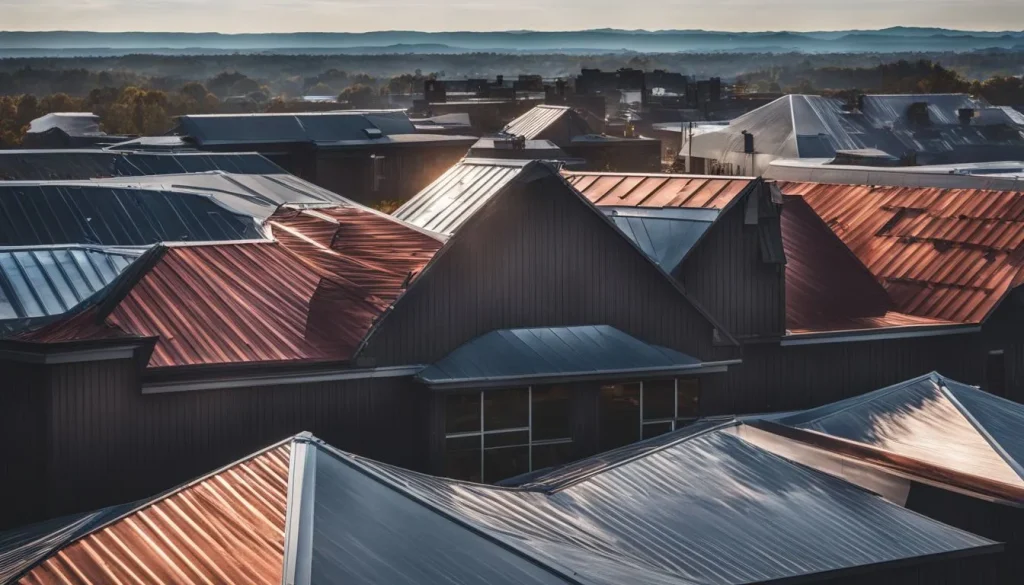
Standing seam metal roofs come in an array of materials, each boasting unique advantages and aesthetic appeals that cater to various architectural styles and climate demands. Exploring these options isn’t just about picking the prettiest cover; it’s a strategic choice that impacts your home’s durability, maintenance needs, and overall energy efficiency.
Painted Aluminum
Painted aluminum is a popular choice for standing seam metal roofs, thanks to its energy efficiency and corrosion resistance. It reflects sunlight, which helps keep homes cooler in the summer.
This type of roof can cost between $3 and $20 per square foot. The wide range in price comes from factors like the thickness of the metal (metal gauge) and the paint finish you choose.
People like painted aluminum because it doesn’t rust easily and lasts a long time. Color choices vary, so you can pick one that looks great on your house. And if you care about being eco-friendly, you’ll be happy to know that aluminum is recyclable.
When installed well, a painted aluminum roof adds beauty to your home while also cutting down on energy bills over time.
Galvanized SteelGalvanized steel is a top choice for many when picking materials for standing seam metal roofs. It’s made strong with a layer of zinc that helps keep rust away, which means the roof can last longer without trouble.
You might pay anywhere from $10 to $35 per square foot depending on how thick you want your panels. The thicker they are, the tougher they’ll be against things like bad weather or falling branches, but they also cost more money.
People love this type of roofing because it doesn’t corrode easily and lasts a long time. Galvanized steel works well for houses and buildings in different kinds of places because it stands up to lots of different weather conditions.
If you’re thinking about what kind of metal to use for your roof next, galvanized steel could be a smart pick that saves trouble later on and keeps looking good year after year. Let’s look at another cool type of metal used in roofing—zinc is up next!
Zinc
Moving on from galvanized steel, let’s talk about zinc for standing seam metal roofs. Zinc stands out in the roofing world. It is a material that lasts a long time and shields homes well against the sun’s rays and very hot or cold weather.
Homeowners like zinc because it doesn’t get moldy and can fit any house style. You can shape it to match your home perfectly.
Zinc also helps keep energy bills down since it keeps houses cooler in summer and warmer in winter. Even better, if you have a zinc roof, your house might be worth more because of how efficient and good-looking the roof is.
Keeping costs reasonable is possible with zinc—using less money than other metals but still offering great quality. Many people go for this choice to save cash without losing benefits like being resistant to fire or getting custom shapes made just right for their homes.
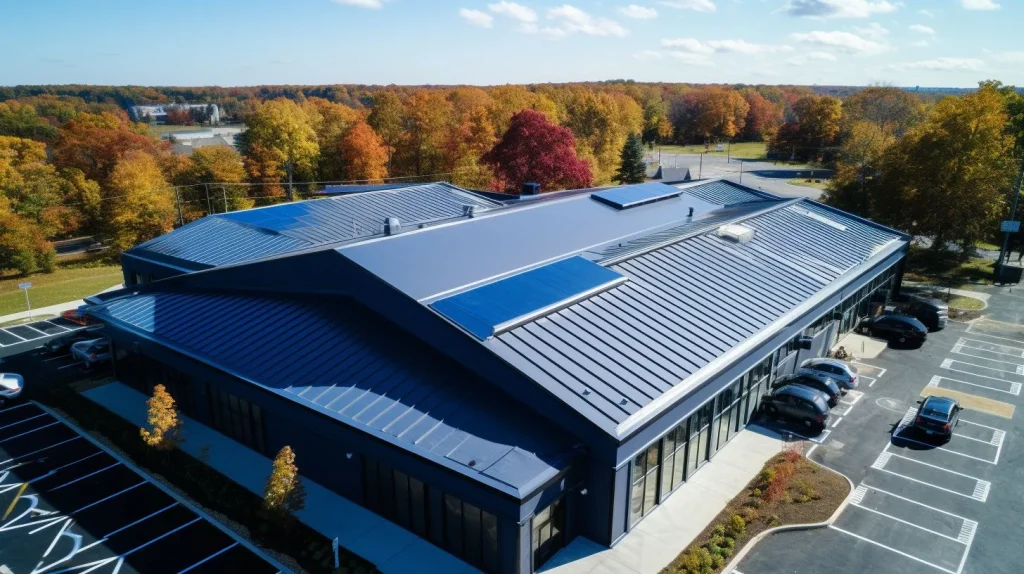
Comparison: Snap Lock Panel vs. Mechanical Panel
Standing seam roofs are renowned for their durability and modern appearance. Two popular types are Snap Lock and Mechanical Panels, each providing unique benefits and considerations. Here’s how they compare:
– **Snap Lock Panels**:
– **Cost Efficiency**: The cost of Snap Lock panels is generally lower compared to Mechanical Panels, making them a more budget-friendly option. Installation is often quicker due to the simpler locking mechanism.
– **Ease of Installation**: These panels are designed for roofs with a pitch of 3:12 or steeper and are known for their easy, maintenance-free installation.
– **Labor Considerations**: Installation labor costs may be lower for Snap Lock panels as they require less time and specialty tools to install.
– **Material Price Range**: The cost of metal roofing materials for Snap Lock panels can vary from $3 to $20 per square foot, depending on the finish and quality.
– **Mechanical Panels**:
– **Durability**: Mechanical Panels are often thicker and come in larger gauges, which contributes to their increased durability and lifespan, albeit at a higher cost.
– **Specialized Installation**: These panels demand a more labor-intensive installation process, often requiring specialized tools and expertise due to the mechanically seamed joints.
– **Higher Labor Costs**: Expect to invest more in labor costs for Mechanical Panels. The intricate nature of installation requires skilled labor, which comes at a premium.
– **Investment in Complexity**: For complex roof designs with multiple peaks, Mechanical Panels can be more suitable. They offer a more robust solution for challenging architectural elements.
Each type has its place in roofing solutions, with Snap Lock panels offering simplicity and cost-effectiveness and Mechanical Panels providing high durability and performance for more complex roofing projects. Choosing between them involves balancing your budget with your roofing needs and long-term expectations.
Factors That Influence the Cost of Installation
Snap lock panels and mechanical panels differ in installation, but various factors can sway the final cost no matter the type. Knowing what affects the price helps you plan your budget better. Here’s what impacts how much you pay:
- Roof Size: Bigger roofs need more materials and time to cover, so they cost more.
- Metal Type: Choices like galvanized steel or zinc have different prices; some may resist rust better or last longer.
- Labor Costs: Roofers charge differently across places and seasons; busy times mean higher rates.
- Roof Design: Simple shapes are quick to work on, cutting down costs. Complex designs with lots of corners take longer and add to the bill.
- Panel Width and Gauge: Wide or thick panels use more metal, which can raise the material cost.
- Roof Pitch: Steep slopes can be tricky and may require special safety gear or extra hands, leading to a steeper price too.
- Old Roof Removal: Taking off old shingles or shakes adds labor and disposal fees.
- Accessibility: If it’s hard to get equipment up to your roof, it can make the job pricier.
- Permits and Inspections: Some places ask for permits for roofing work; these come with costs.
- Additional Features: Things like skylights, chimneys, or solar panels need careful fitting around, which takes extra time and money.
- Energy-Efficient Options: Special coatings that reflect heat might cost more upfront but save money on energy bills later on.

Pros and Cons of Standing Seam Metal Roofing
Exploring the advantages and disadvantages of standing seam metal roofing uncovers a landscape of durability and style against considerations like cost—each element playing a pivotal role in determining whether this roofing solution aligns with your project’s needs.
Delve into the nitty-gritty, where we weigh factors such as long-term savings against upfront expenses to paint a clear picture for homeowners and builders alike.
Pros
Standing seam metal roofing is a top choice for many homeowners. It’s known for its durability and good looks. Here’s why people love it:
- Lasts a Long Time: These roofs can stick around for 50 years or more. They don’t need much fixing or replacing, which saves you money in the long run.
- Looks Great: With their sleek lines and neat appearance, standing seam roofs make any home look sharp.
- Super Safe: Metal roofs won’t catch fire, so they’re a safe pick for places where wildfires might happen.
- Saves Energy: They reflect the sun’s rays, keeping homes cooler in summer. This means your air conditioner doesn’t have to work as hard, cutting down on your energy bills.
- Earth-Friendly: Metal roofs are often made from recycled materials and can be recycled again at the end of their life. That’s good news for the planet!
- Strong Warranty: You get peace of mind with a warranty that lasts between 30 to 50 years from the maker.
- Stops Water Leaks: The way these roofs are put together means water doesn’t get a chance to sneak in and cause damage.
- Handles Bad Weather: High winds and heavy snowfall? No problem! Metal roofs are built to withstand tough weather without getting hurt.
- Helps Your Home’s Value Go Up: If you ever sell your house, this type of roof can help you get more money because buyers know it’s a valuable addition.
Cons
Standing seam metal roofs have a lot going for them, but they also come with downsides. Now, let’s talk about the cons.
- High Cost: These roofs cost more than others — think asphalt shingles — because the materials are pricier. Plus, you need people with special skills to put them on your house.
- Complex Installation: It’s not easy to install these roofs. The process is tough and you have to pay more for labor than you would with simpler roofing options.
- Noise: Rain and hail can be loud on a metal roof. Some people don’t mind, but for others, it could be too much noise inside their home.
- Expanding and Contracting: Metal changes shape when it gets hot or cold. This means your roof might shift a bit as seasons change, which can affect how it looks and works over time.
- Dents and Scratches: Even though they’re tough, things like tree branches or hail can leave marks on your roof that aren’t easy to fix.
- Inconsistency in Color Matching: If repairs are needed or if you add parts later, finding the perfect match in color and finish can be hard.
- Professional Help Needed: Most of the time, you can’t just do it yourself; you’ll need pros who know what they’re doing. And finding good ones takes effort and maybe more money.
- Not Ideal for All Roof Shapes: If your roof has lots of corners or angles, putting on a metal roof might be even harder and cost more.
- Accessories Cost Extra: Things like gutters or special coatings for energy savings are great but will add to your bill.
- Removal of Old Roofing Can Be Pricey: Taking off the old stuff before putting up your new metal roof adds more cost to your project. Standing seam roof cost.
How to Save on Installation Cost
Leveraging smart strategies to cut down on installation costs can turn the dream of a sleek, durable standing seam metal roof into an attainable reality. By exploring creative avenues and making informed choices, you can significantly reduce expenses without compromising on quality or aesthetics.
Obtain Multiple Quotes
Getting quotes from several roofing contractors is a smart move. It lets you see different prices for the work you need done. You don’t want to pay too much, or hire someone who doesn’t do good work.
Shop around and talk to different suppliers too. They might have deals on metal panels that could lower your costs.
Make sure to pick the best deal for both the materials and installation. Take your time looking at each quote. Check out all the numbers so you know what you’re getting into. This can help save money and ensure quality in your new roof project!
Use Standard Designs and Colors
After looking at different quotes, consider sticking with standard designs and colors for your standing seam metal roof. These choices are not only easier to find but also help keep costs down.
Since they’re widely available, you won’t have to wait long for special orders to come in. This saves time and money on your project.
Choosing a common design and color means workers can install your roof faster because the process is simpler. Plus, materials and matching parts are ready quicker which cuts down on labor time and expense.
With these options being so cost-effective, you’ll get a great looking roof without the extra spending or hassle of custom work.
DIY vs. Hiring a Professional for Installation
Deciding whether to install a standing seam metal roof on your own or hire a professional is big. You might think doing it yourself will save money, but there are things to consider.
– **DIY Installation Challenges**
– Special tools: DIY means you’ll need special tools like a brake for shaping the metal.
– Skills needed: Proper installation requires know-how that comes from experience.
– Time: It can take much longer if you’re learning as you go.
– Mistakes cost money: If something goes wrong, it may end up costing more than hiring someone.
– **Professional Installation Benefits**
– Expertise on hand: A pro brings knowledge and skills that ensure the job is done right.
– Quick completion: They can install faster since they do this work regularly.
– Warranty coverage: Pros often offer warranties for their work which could save you future costs.
– **Consider All Factors**
– Weigh savings against risks: The little bit saved on a DIY job could be less than potential extra costs later.
– Think about your safety: Roof work is high and risky; professionals have the right equipment to stay safe.
Choosing between DIY and professional installation isn’t just about upfront costs—it’s also about long-term value and safety.
Additional Costs Associated With Installation
While seamless standing metal roofing offers long-term savings, the initial installation comes with its fair share of ancillary expenses. It’s not just about laying down panels; you’ll need to consider everything from preparing the underlying roof structure to dealing with local building codes—costs that can sneak up but are essential for a flawless and compliant finish.
Roof Preparation
Getting your roof ready for a new standing seam metal cover is crucial. Before the shiny panels go up, you have to clear off old materials like shingle, felt paper, or wooden shakes.
This step makes sure that the roof surface is flat and clean. Workers might also fix any spots where water has caused damage.
They often lay down new felt paper as a base for the metal panels. This helps keep moisture out and adds an extra layer of protection. It’s important because it stops mold growth and water damage under your new metal roof.
The team will make sure every edge and corner is set up right with things like gutter guards and roof flashing to guide rainwater away from your home safely.
Permits and Inspections
Once your roof is ready for a standing seam metal upgrade, it’s time to think about the official stuff – permits and inspections. Getting the right permits is crucial before any work begins.
They are not just pieces of paper; they make sure your new roof meets local building codes for safety. Most places need you to have these permits if you’re changing your house in a big way like adding a new roof.
Inspectors will also visit your home to check the work done on your standing seam metal roof. This step happens after installation is complete. They look closely at the job to ensure everything was done right and that it’s safe for you and others who live in or visit your house.
It might feel like another task on the checklist but think of it as peace of mind that your beautiful new roof stands strong against wind, rain, and whatever else comes its way.
Accessories
Your standing seam metal roof needs more than just panels to work well. Think of accessories like the small parts in a machine; they make everything fit and run smoothly. You’ll need things like screws, which hold the panels in place, and seals to keep water out.
Flashing goes around things that stick up from your roof, such as chimneys or vents, to prevent leaks.
Roof ridges cap the very top of your roof and also help keep water from getting inside. Don’t forget gutter systems that catch rainwater; you might even use this for watering plants or other uses around your home.
Yes, these extras add to the cost but are super important for a strong, leak-free roof that lasts a long time.
How to Choose the Right Professional for Installation
Picking the right pro to install your metal roof matters a lot. A good one will do a top-notch job and help you avoid headaches later.
- Start by looking for local experts with metal roofing experience. Check out their past work and see if it’s good.
- Research each roofer’s credentials. Make sure they have licenses to work in your area and insurance too.
- Get quotes from different roofers. Compare what they offer and how much they charge.
- Talk about their recommendations for your roof. Learn why they suggest certain materials or methods.
- Look at their warranties. Better warranties can mean higher quality work.
- Ask them about specialty installation training. Roofers who have special skills in metal roofs often do better work.
- Speak to other homeowners who’ve hired them before. Find out if past customers liked the job done on their roofs.
- Explore trade groups or associations linked to metal roofing like the Metal Roofing Alliance, which lists qualified pros.
- Factor in how easy it is to reach the roofer’s site team during the job. Good communication can save time and trouble.
- Consider if they can handle extra tasks like roof preparation or installing accessories that go with new roofs.
- Decide based on their reputation, not just price alone. Sometimes paying a bit more gets you a way better roof.
FAQs on Standing Seam Metal Roofing
People often ask if standing seam metal roofs are good. Yes, they are strong and last for a long time. They can fight off rust and look nice for years because they don’t let water stay on them.
The panels connect in a special way that keeps out rain and snow.
Another question is about the cost of these roofs. It depends on many things like how big your roof is and what type of metal you pick. Usually, it will cost you between $13,600 to $20,400 for the whole job.
Remember, choosing energy-efficient metals could save you money on bills later on because they reflect heat away from your home.
Conclusion
Standing seam metal roofs look great and last a long time. They keep out water, fight off mold, and save energy. Yes, they can cost more than other roofs, but they stand up to tough weather and fire.
Think about all the types and costs we talked about to make the best choice for your house. Remember, investing in good roofing now can mean saving money later!
FAQs
1. What makes standing seam metal roofs different from shingle roofs?
Standing seam metal roofs have sheet metal panels that join together in raised seams above the level of the roof, making them waterproof and durable. Unlike shingle roofs, they are also resistant to corrosion and can be made from energy-efficient materials.
2. Are there benefits to choosing a standing seam roof for my house?
Yes! Standing seam roofs are great because they last long, resist fire, save on energy costs, and protect your home better against weather. They’re made of metals like copper and zinc that even develop a protective patina over time.
3. Will I get my money back if I invest in a standing seam roof?
Investing in a standing seam roof can offer a good return on investment (ROI) because it increases your home’s value, cuts energy bills thanks to its efficiency, and lasts longer than many other roofing types.
4. Does the type of metal affect how much I’ll pay for my roof?
The cost can change based on the metal you pick for your standing seam roof. Metals like copper or alloys with chromium or molybdenum might be pricier but have unique advantages like color changes (patina), corrosion resistance, or strength.
5. Can I install a standing seam metal roof by myself to save money?
While do-it-yourselfers may tackle some projects at home; installing a standing seam metal roof requires special tools and knowledge about things like soldering joints correctly and ensuring each panel is sealed—so leaving it up to experts ensures quality work!
6. How does picking different colors or finishes affect my cost?
Colors and finishing options vary widely for standing-seam roofs—and fancier choices often add to the price tag—but these features not only make your house look nice but also contribute extra layers of protection against elements like dirt or dew.
Click for more information about Standing Seam Roof Cost 2024.