
How Long Does a Standing Seam Roof Last?
The choice of a roofing system is a pivotal decision that holds the potential to safeguard your home or building for decades to come. Among the options that have gained prominence, the standing seam roof stands tall with its reputation for durability and longevity. In this article, we’ll delve into the realm of roofing lifespans, exploring the factors that contribute to the remarkable endurance of a standing seam roof.

A Roof Built to Last
Materials Matter: The exceptional longevity of a standing seam roof begins with the materials themselves. Typically crafted from high-quality metals like steel, aluminum, or copper, these roofs possess innate resistance to the elements that can compromise other roofing options.
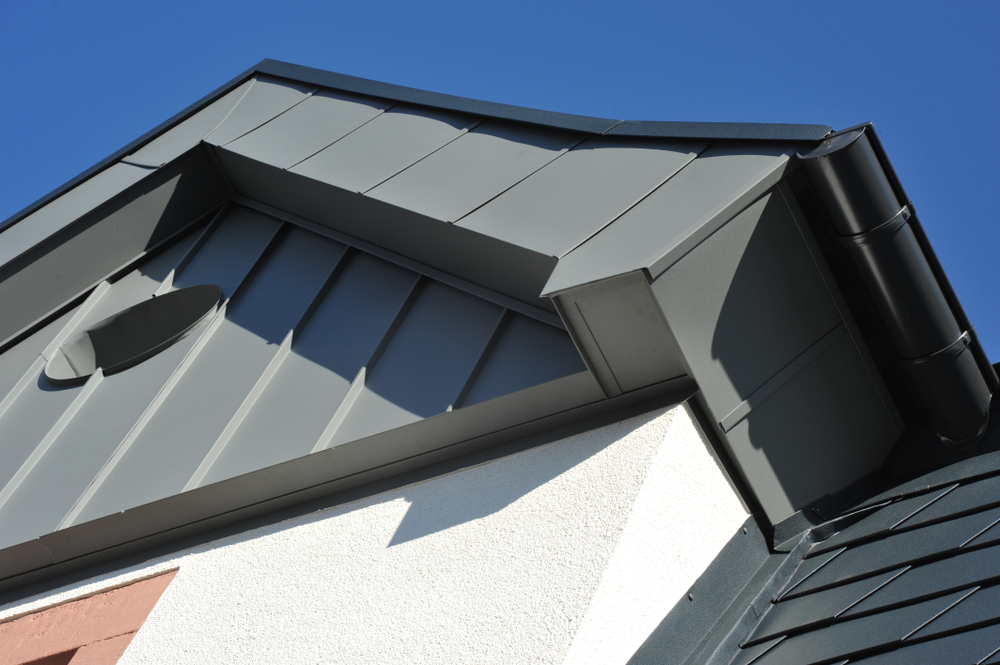
Interlocking Design: The interlocking design of standing seam panels serves as a formidable defense against water intrusion. Unlike traditional shingles that can be vulnerable to moisture, the raised seams of a standing seam roof prevent water penetration and minimize the risk of leaks.
Weather Resistance: Standing seam roofs excel in withstanding various weather conditions. From heavy snow loads to torrential rain and scorching sun, these roofs maintain their structural integrity and aesthetic appeal over time.
Energy Efficiency: Standing seam roofs are also known for their energy efficiency. The metal panels reflect sunlight, reducing the amount of heat absorbed by the building. This can significantly lower your cooling costs during the summer months. Some standing seam roofs are even available with special coatings that further enhance their energy efficiency, making them an eco-friendly choice for those looking to minimize their carbon footprint.
Low Maintenance: One of the key factors contributing to the longevity of a standing seam roof is its minimal maintenance requirements. Unlike roofing materials that require frequent repairs or replacements, these roofs demand little more than routine inspections and occasional cleaning.
Lifespan Expectations
The lifespan of a standing seam roof can vary based on factors such as material, maintenance, and climate. However, on average, a standing seam metal roof can last between 30 to 50 years, and even longer in some cases. Here’s a breakdown of potential lifespan ranges based on materials:
Steel: A steel standing seam roof typically has a lifespan of 30 to 50 years. The longevity of steel can be further enhanced through proper coatings and finishes that protect against corrosion.
Aluminum: Aluminum standing seam roofs often exceed 50 years due to the metal’s natural resistance to rust and corrosion. This extended lifespan is particularly valuable in coastal or humid environments.
Copper: Copper is renowned for its durability and can last well beyond 50 years. As it develops a beautiful patina over time, copper roofs are not only long-lasting but also age gracefully.

Extending the Lifespan of a Standing Seam Roof
While the intrinsic durability of a standing seam roof is undeniable, a few proactive measures can help extend its lifespan even further:
Regular Inspections: Schedule periodic roof inspections to identify any potential issues early and address them promptly.
Cleaning: Remove debris, leaves, and any accumulated dirt to prevent water stagnation and possible damage.
Coatings and Finishes: Depending on the material, applying protective coatings and finishes can enhance the roof’s resistance to elements and extend its lifespan.
In Conclusion
A standing seam roof is more than just a roofing option; it’s a commitment to enduring quality and protection. With a lifespan that can exceed several decades, these roofs offer both immediate benefits and long-term value. The combination of robust materials, ingenious design, and minimal maintenance requirements culminates in a roofing solution that stands as a testament to the concept of longevity. When you choose a standing seam roof, you’re not just investing in a roof; you’re investing in a shelter that transcends time itself.


