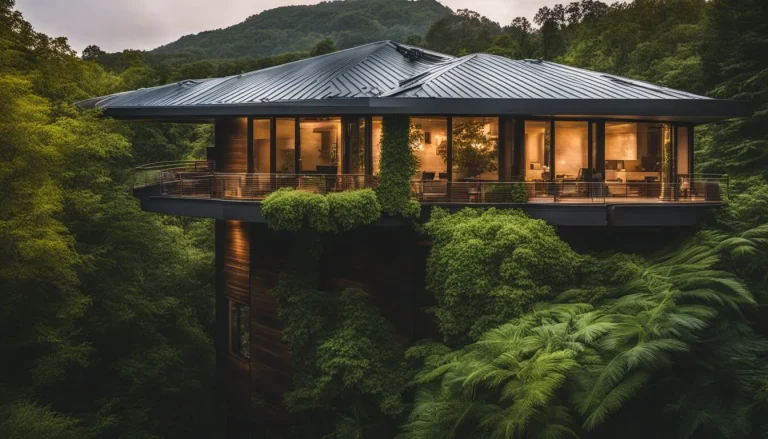
The Advantages of Using a Standing Seam Roof System 2025
Are you tired of constant roof repairs? Standing seam roof system and metal roofs are celebrated for their durability and resilience. This article will guide you through the benefits these roofs offer, from weather resistance to energy efficiency.
Keep reading—you’ll be surprised!
Understanding Standing Seam Roof System

Discover the essence of standing seam roof system and metal roofing, an innovative solution that seamlessly combines durability with design flexibility. This roofing marvel not only shelters your space but also elevates its aesthetic, offering a sleek and modern twist to traditional coverings.
Dive in to grasp how this system works and why it’s reshaping rooftops across the globe.
Definition and Uses
Standing seam roof system and metal roofing is a type of rooftop cover made of interlocking metal panels. These panels run from the ridge of the roof to the edge, creating a distinct raised seam that locks them together.
People choose this roofing material because it’s strong and keeps water out very well. Many buildings like houses, stores, and factories use it for protection against weather.
This kind of roof has hidden or “concealed fasteners,” which means screws or nails are not exposed to weather. This helps stop leaks and gives your roof a smooth look. Standing seam roof system can hold solar panels too, making them great for energy-saving projects.
They come in different styles like trapezoidal and vertical leg shapes so you can pick one that looks good on your building. These systems last long with little need for fixing, thanks to materials like high-end steel or aluminum.
Types of Standing Seam Roof System
Standing seam metal roofing is a top choice for many buildings. It offers both style and function with different systems to fit various needs. Here are the types of standing seam systems:
- Structural Systems: These are strong enough to support their own weight without needing lots of extra support underneath. They’re used on roofs that have fewer things holding them up.
- Architectural Systems: These systems rely more on the structure beneath them for support. They are chosen for looks and usually go on steep roofs where water runs off quickly.
- Snap Lock Systems: This kind features panels that snap together, making installation easy. No special tools are needed for these, and they work well for many buildings.
- Mechanical Lock Systems: For these, a machine folds the edges of the panels together. They’re great for roofs with less slope because they hold up better against water and wind.
- Batten Panel Systems: With batten panels, there’s a cap over where two panels meet. This type makes a bold line on the roof and can handle different weather changes well.
- Curved Panel Systems: Some buildings look amazing with curved roofs. Metalart has five types that can be shaped right at the building site to fit perfectly and save money on moving them there.
Panel Styles and Attachment Methods
Standing seam roof system and metal roofing isn’t just one thing. It comes in lots of styles and ways to put it on a roof. Here’s a quick guide to the different kinds.
- Snap-Lock Systems: These panels snap together on the roof. They’re fast to install because they click into place without needing special tools.
- Mechanical Seam Systems: These need a machine or hand tool to close the seam. They make a very tight seal that helps keep water out.
- Batten Panel Systems: With these, there’s a cap over the joint between panels. It adds an extra layer of protection against leaks.
- Nail Flange/Nail Strip Systems: You fasten these right through the panel’s flange and then cover them with another panel. It hides the nails so you can’t see them.
- Clipless Systems: No clips are needed here, which means fewer parts. But they still give a strong hold and let the metal move when it gets hot or cold.
Advantages of Standing Seam Roof System
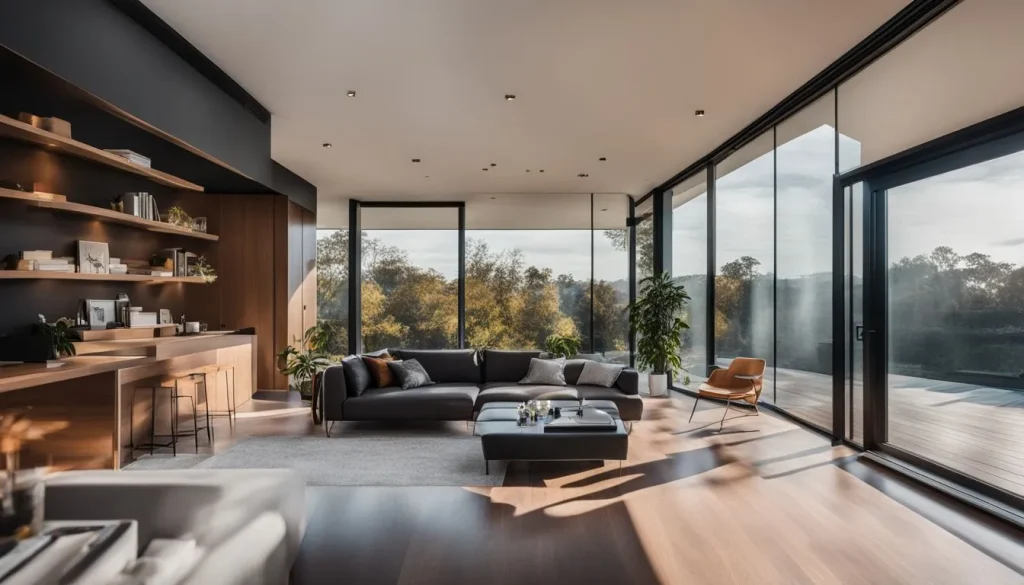
Discover the unrivaled benefits that come with a standing seam metal roofing system, as we delve into its innovative features which cater to both form and function. This is your opportunity to uncover why these sleek roofs are becoming a favorite among architects and homeowners alike.
Concealed Fasteners
Concealed fasteners are a key feature of standing seam metal roofing. They hide the screws that hold panels in place, so you don’t see them from outside. This makes your roof look smooth and clean.
These hidden fasteners also protect the screws from rain, snow, and sun which can cause rust or damage over time.
Roofs with concealed fasteners last longer because water and dirt can’t get to the screws easily. Plus, they come with warranties for being tight against weather. People choose this type of roof system because it looks nice and works well to keep buildings safe from leaks and weather damage for many years.
Expansion and Contraction Capability
Standing seam roof system and metal roofs are smart because they change size with the weather. When it gets hot or cold, the panels get bigger or smaller but don’t break. They use special clips under the panels that let them move and still keep water out.
This means your roof stays strong longer.
This type of roof is also good at handling how heat affects different parts of a building. The way standing seam roof system connect makes sure there’s room for each piece to grow or shrink safely without causing damage or leaks.
That way, everything fits tight and keeps looking good over time.

Aesthetics and Architectural Freedom
As roofs expand and contract, standing seam roof systems handle this movement gracefully. But it’s not just about practicality—they also bring beauty to buildings. Architects and owners prefer the sharp lines and shadows that these roofs create.
The vertical legs and flat-looking pans between ribs give a clean, modern look that can be customized in many ways.
You’ve got options like trapezoidal, T panel symmetrical, or vertical leg non-symmetrical panels to choose from. Each style offers its own unique flair, letting you pick just the right look for your project.
With these choices, your roof can do more than protect; it can stand out as a design piece that adds character and value to any building.
Longevity and Warranties
Standing seam roof system is built to last. It beats many other roof types in lifetime, often staying strong for 40 or 50 years. There are even roofs out there that keep going after 70 years! What’s more, this roofing style can handle all sorts of weather without giving in.
Sun, snow, rain – it stays tough through them all.
What makes people really smile is the warranties that come with these roofs. Imagine having a paint warranty for 30 years – that’s what you get with Kynar 500 painted finishes on standing seam roof systems.
Even better, companies like Bill Ragan Roofing offer a lifetime guarantee on their craftsmanship when they install your standing seam roof system. This means peace of mind knowing experts stand by their work for as long as you own your home.
Disadvantages of Standing Seam Roof System
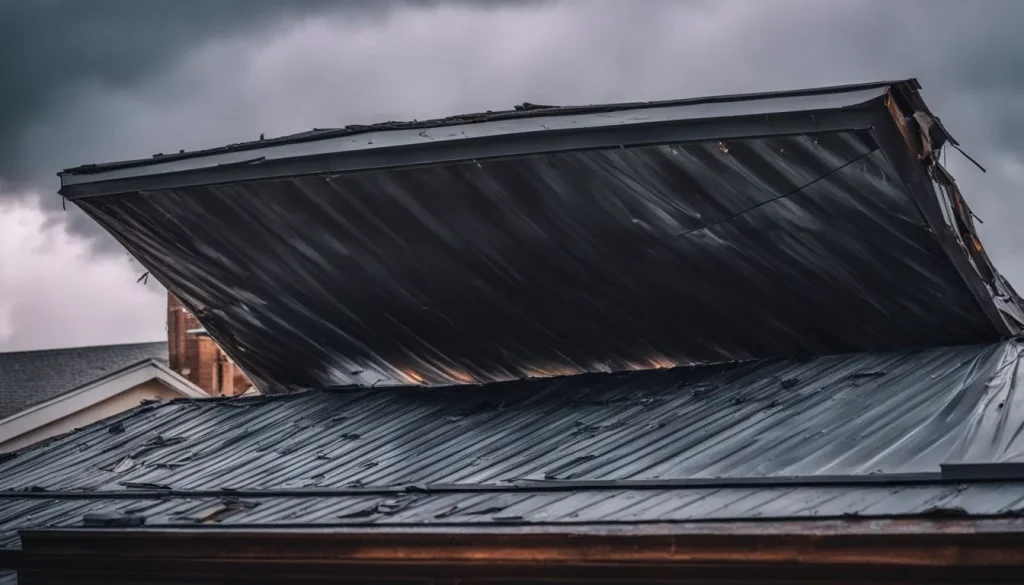
While the merits of standing seam metal roofing are numerous, it’s important to recognize certain drawbacks that might sway homeowners and builders alike. These limitations include not only financial considerations but also practical concerns that come into play during installation and throughout the life cycle of the roof.
Higher Installation Cost
Standing seam metal roofs come with a higher price for putting them up. This can make some homeowners think twice. The materials themselves are pricier than other roofing options, and you need special tools to install them.
Also, not all roofers know how to work with these systems.
The good side is that paying more at first can be worth it because of how long these roofs last and their low care needs. Over time, standing seam metal roofs may save money since they stay strong against rusting and weather damage longer than many other types of roofs do.
Limited Contractor Experience
Finding the right people to put on a standing seam metal roof is important. Not every contractor knows how to do it well. If someone who doesn’t have enough experience tries to install your roof, they might not do it right.
This could cause problems with how long your roof lasts and how well it works.
You need skilled contractors who are trained in things like rollforming and using a seamer correctly for this type of roofing. The panels must fit just right. If they don’t, you might see issues like oil canning, which is when the metal looks wavy or bent out of shape.
So make sure you pick someone who has done this kind of work before and can show you roofs that have been done well that will last for years.

Not Suitable for Flat Roofs
Standing seam metal roofing is great for many buildings, but it has one big limit. It’s not the right choice for flat roofs. The way these roofs are made means they need a slope to let water run off well.
Flat roofs don’t have enough slope, and that can make water pool up on the roof. When water sits like that, it can cause leaks or other damage over time.
These metal panels work best when put on a roof with a good tilt to it. That way, rain slides down as it should, keeping everything dry underneath. So if you’ve got a building with a flat top, this kind of roof might not be the best pick for you.
You’ll want something made just right for flatter surfaces so you won’t have any trouble with standing water or leaks.
Difficulties in Repair and Replacement
After considering how standing seam metal roofing isn’t the best fit for flat roofs, it’s also important to look at what happens if something goes wrong. Repairing and replacing these roofs can be a real headache.
Since the panels lock together tightly, fixing just one piece of the puzzle is tough. You might have to take apart a big part of the roof just to get to one bad spot.
Mechanically seamed systems are even trickier; they’re put together in a special way that makes them hard to pull apart without messing up other parts of the roof. The work takes lots of skill, which means you need someone who knows exactly what they’re doing.
Plus, if your roof gets scratched during installation or later on, making it look like new again can be pretty challenging. These factors mean you should think carefully about going with standing seam metal roofing because fixing problems won’t be easy or cheap.
Standing Seam Metal Roofing Vs. Other Roofing Materials
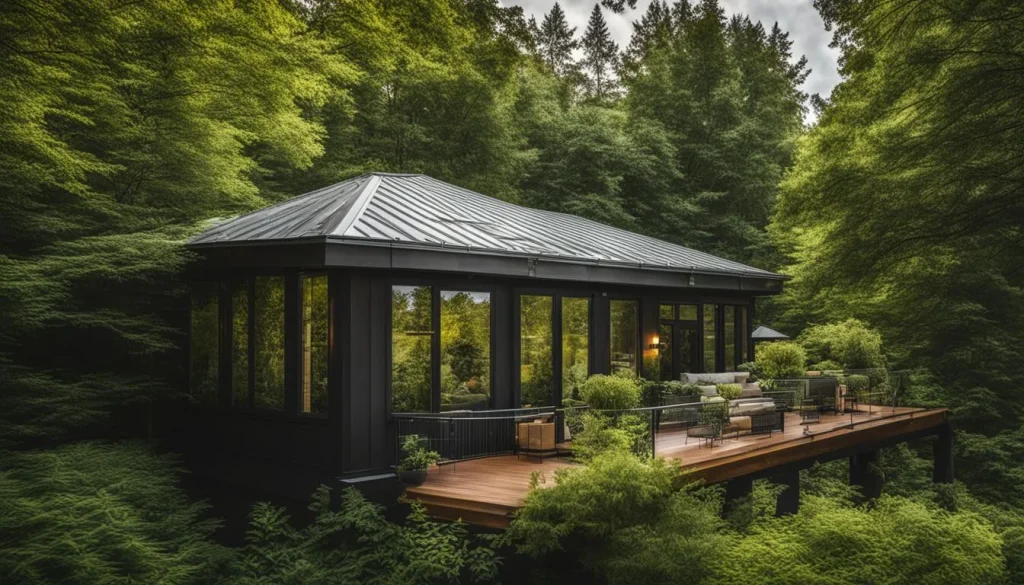
When evaluating roofing options, standing seam metal roofing systems offer distinct advantages over other materials. Let’s compare them side by side:
| Feature | Standing Seam Metal Roofing | Other Roofing Materials |
|---|---|---|
| Concealed Fasteners | Yes, providing a sleek look and enhanced weather tightness | No, fasteners are typically exposed, affecting aesthetics and weather resistance |
| Expansion & Contraction | Designed to accommodate, reducing risk of damage from temperature changes | May crack or warp due to thermal movement, leading to potential leaks |
| Aesthetics | Versatile styles offer architectural freedom; can mimic other materials | Style options are often limited by material constraints |
| Longevity | Can last 40-70 years with proper maintenance; robust warranties | Varies greatly, with some materials requiring replacement every 20 years |
| Installation Cost | Higher upfront cost, but long-term savings in maintenance and energy efficiency | Lower initial cost but may incur higher maintenance and replacement costs |
| Contractor Experience | Specialized installation may limit contractor availability | Wider range of contractors with varying expertise in installation |
| Roof Slope Suitability | Ideal for slopes above 0.5/12; not suitable for completely flat roofs | Some materials, like built-up roofing, are specifically designed for flat roofs |
| Repair & Replacement | Can be challenging due to panel engagement methods | Generally easier to repair or replace individual sections or shingles |
| Architectural Applications | Metalart offers five systems that can be curved on-site, suitable for various projects | Less adaptability for complex architectural designs without specialized products |
| Panel Engagement | Symmetrical and non-symmetrical options supporting design flexibility and ease of replacement | Engagement methods are material-specific and may not offer the same flexibility |
Standing seam systems boast concealed fasteners, enhancing appearance and durability. These systems, including those by Metalart, adeptly handle thermal movement, unlike some materials that succumb to the elements. With an array of styles, they satisfy diverse architectural demands, ensuring an enduring, attractive finish. Longevity is key—metal roofing outlasts alternatives by decades. Initial costs are higher, yet long-term benefits justify the investment.
Contrastingly, other materials might seem economical at first glance, but maintenance and energy costs accumulate over time. While standing seam roof system requires specific expertise for installation, the market offers a broader selection of contractors for conventional materials.
Flat roofs pose a challenge—standing seam roof system isn’t the go-to for these. Various roofing types cater to specific needs here. If repairs arise, standing seam can be more complex due to its unique engagement methods.
In essence, standing seam metal roofing is a forward-thinking choice, aligning with architectural trends and offering robust performance over its lifetime.
Conclusion
Standing seam roof system are top-notch choices for lasting beauty and protection. Think about how their hidden fasteners keep the look clean. Their ability to grow and shrink with weather changes keeps them strong year after year.
For those seeking style, they offer lots of choices and can even stand up to tough weather like wildfire risks. Sure, they may cost more at first, but their long-term benefits shine bright!

FAQs
1. Why is a standing seam roof system better than shingle roofs?
Standing seam roofs are made with metal, so they’re tougher and last longer than asphalt shingles. They resist fire better too, which can be important in places where wildfires happen.
2. Can standing seam roof system save on energy bills?
Yes! These roofs reflect sunlight away from your house, meaning less heat gets inside. This keeps your home cooler and saves money on air conditioning.
3. Are standing seam roof system good for the environment?
Totally! They use recyclable materials like metal sheets, don’t need as many repairs or replacements as other types of roofing, and help cut down on waste.
4. What makes a standing seam roof sytem withstand harsh weather?
The way these metal panels lock together – that’s the “seam” – helps them stay strong against wind and rain without letting water get in.
5. How does a cool roofing feature work on standing seam systems?
A cool roof has special paint or coating that reflects more sunlight — think of wearing white clothes in summer to stay cool; it’s kind of like that for your house!
6. Is it hard to take care of a clicklock premium standing-seam roof?
Nope! Because they’re made well to begin with, you won’t have much maintenance trouble with these kinds of roofs—they stand up great against wear and tear.
You can contact us by clicking here and get a price quote if you wish.