

Understanding The Versatility And Benefits Of Space Frame System 2025
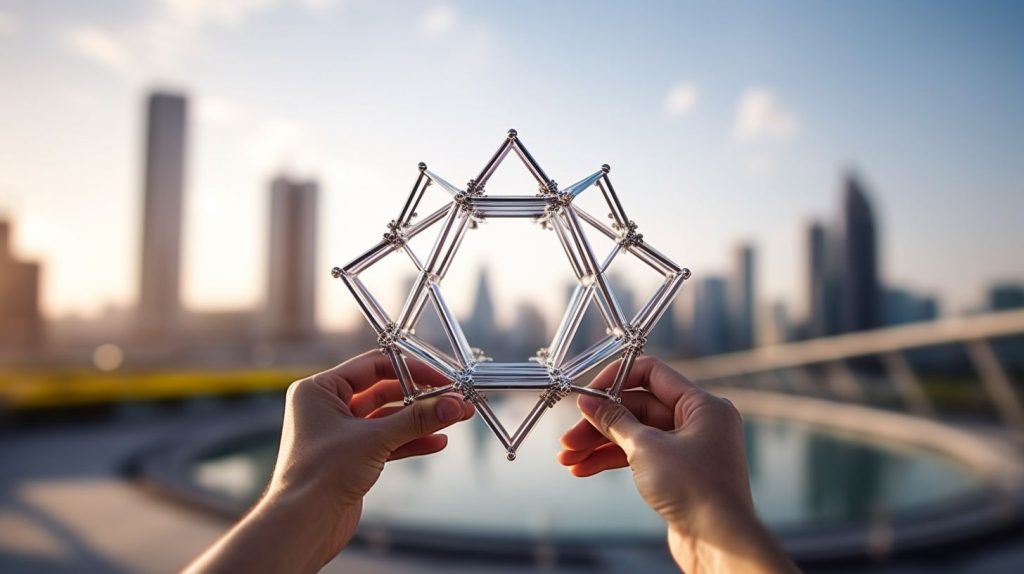
Deciding on the right construction method can be tough, especially when strength and flexibility matter. Space frames are ingenious engineering feats that combine aesthetics with formidable structural integrity.
Our blog post digs into how these intricate systems bring versatility to design, offering solutions where traditional methods fall short. Keep reading – there’s a world of possibilities waiting!
Understanding Space Frame in Construction

Space frames make a big difference in the building world. They are special because they use less stuff and cover more space without needing many posts or walls to hold them up. Imagine a huge net that can carry a lot of weight, even though it’s very light itself.
This is what engineers call an isotropic vector matrix. It sounds fancy, but it just means that all parts of the frame share the load equally.
Builders love using space frames for big projects like stadiums and airports. The pieces fit together in patterns—kind of like how you piece together your toys to build cool shapes.
These patterns can be simple with straight lines or complex like round domes. Tubular steel is often used; it’s strong metal shaped like tubes! You’ll see these frames in lots of places because they’re not just tough—they also look really interesting and modern.
Components of Space Frames

Space frames are strong and light. They have parts that fit together to support buildings.
- Linear elements: These are the long, straight parts, often tubes made of steel or aluminum. They take on tension and compression, which means they pull and push against each other.
- Node connectors: These are the joints where the linear elements connect. They can be balls or other shapes and are key for a space frame’s strength.
- Supports: The base parts of a space frame. They hold up the whole structure and transfer all the weight to the ground.
Types of Space Frames

Delving into the realm of space frames reveals a rich mosaic of structural forms — each with unique characteristics that lend themselves to various architectural applications; discover how different types, from intricate single layer grids to robust double layer configurations, can fulfill specific design and performance requirements.
Based on Curvature
Space frames have different shapes and curves. They fit many designs, from flat covers to big domes.
- Flat Space Frames:
- These are like a floor or ceiling without curves.
- They spread out in two directions to cover large areas.
- Single Curved Surfaces:
- These bend in one way, like a half – pipe.
- Barrel vaults are this type, looking like a long tunnel.
- Double Curved Surfaces:
- These curve in two ways, making a shell shape.
- Spherical domes are here, with round and smooth forms.
- Complex Curved Surfaces:
- Here, the curves change direction and don’t follow one pattern.
- They look unique and can make people say “wow”.
Based on Arrangements of Dome Elements
Space frames can make strong and light domes. These domes come in different shapes based on how their parts fit together.
- Geodesic Domes: These domes use a pattern of triangles to spread stress evenly. Think of a soccer ball—how its patches form a round shape.
- Lambert Domes: They have a diamond-shaped network. This pattern makes them look like a crisscross of lines from the outside.
- Schwedler Domes: These domes mix triangles and squares in their design. They often look more curved on top and flatter near the bottom.
- Three-way grid domes: In these, three bars meet at each joint. This kind creates a strong structure good for holding up heavy things like roofs.
- Six-way grid domes: Here, six bars connect at one point. They tend to be very solid and are great for huge spaces without columns getting in the way.
Applications of Space Frame Systems
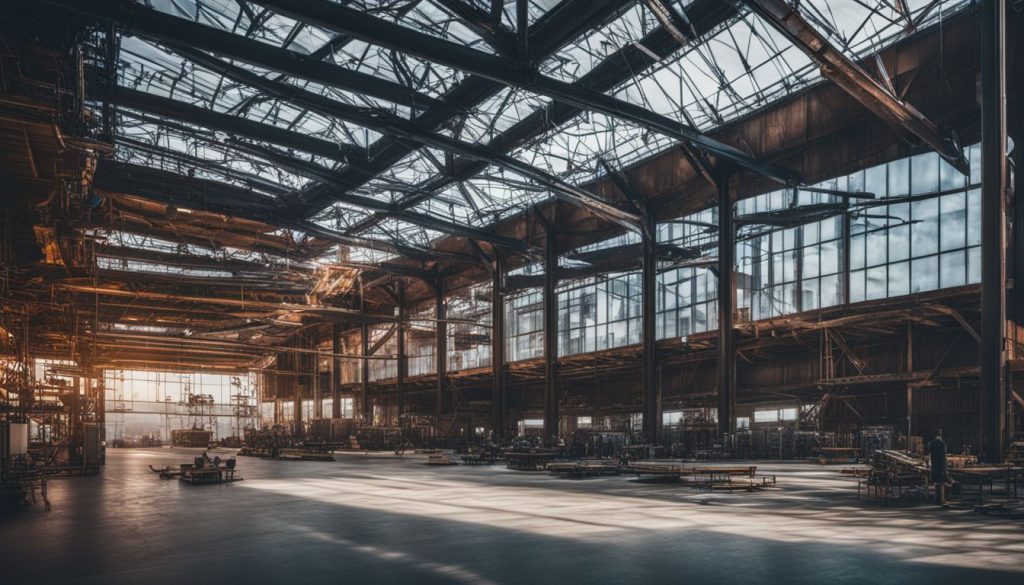
Space frame systems are like building blocks for big and interesting projects. They can create all kinds of shapes and support a lot in different places.
- Industrial buildings often use space frames for large areas without supports inside. This helps make more room for machines and storage.
- Sports fans might see space frames in stadiums. They hold up roofs so everyone can watch games without getting wet or too hot.
- Museums and malls look great with space frames. They help make open, airy spaces that impress people who visit.
- Airports have lots of travelers and bags. Space frame systems work well here by creating large, open terminals that are easy to move around in.
- For events with music or speeches, portable stages use space frames because they’re strong and can be moved easily.
- Light shows at concerts are hung from space frames called lighting gantries. This makes the show look amazing from all angles.
- Atriums in buildings let light pour in from above. Space frames help hold up these glassy parts of the roof safely.
- Geodesic domes are like giant balls made of triangles. These domes need space frames to keep their shape and be sturdy.
- In races, cars built with space frame chassis go super fast because they’re light but strong.
- Kit cars, which people build at home, come with parts that fit together easily thanks to space frame designs.
- Bicycles and motorcycles also rely on these frames for being light on the road yet able to take a hit if needed.

Benefits of Space Frame Systems
Moving from where space frames are used, let’s look at why they’re so good. Space frame systems bring a lot to the table. They make buildings strong and help them last longer because they can handle lots of weight and resist shakes from things like earthquakes.
This means big places like stadiums or airports can have roofs that stretch far without needing many columns in the way.
They’re also not heavy which makes them easier to work with and cheaper when moving them or putting them together. Plus, their shape is flexible so you can make cool designs that catch your eye.
These frames don’t need as much stuff to build either, which saves money and is better for our planet.
Potential Issues with Space Frame Systems
Space frame systems are cool, but they can also have troubles. For instance, if you want to build something really tall, these structures might not be the best choice because they usually can’t go higher than 40 feet.
That’s when concrete often steps in as a better option.
Also, space frames can make it hard to reach inside for repairs or adjustments. Imagine trying to work on an engine that’s all wrapped up in metal! Sometimes parts of the structure must come off so people can fix things.
This means more work and careful planning is needed to keep everything running smoothly.
Examples of Space Frame Structures
Now that we’ve looked at potential issues with space frames, let’s explore some real-world examples where these structures shine. Space frame systems have been used to create amazing buildings and designs around the world.
- Stansted Airport: This airport in the UK has a famous roof made from a space frame. It looks like a giant web from below and covers a huge area without needing many columns.
- Bank of China Tower: Located in Hong Kong, this skyscraper uses a space frame for its outer support. The pattern crisscrosses like diamond shapes, making it strong and beautiful.
- Louvre Pyramid: In Paris, there is a big glass pyramid right in front of an old palace. A space frame holds the glass pieces together and makes the pyramid strong enough for thousands of visitors to walk under.
- Rogers Centre: This stadium in Canada has a roof that can open and close. It’s one of the biggest roofs like this in the whole world and uses a space frame to move without falling apart.

Conclusion
Space frame systems show us a smart way to build things. They are not just strong and light, but they also look cool. We see them in buildings, cars, and even bikes. These frames help make some pretty amazing shapes that can cover big spaces without needing lots of stuff holding them up.
Remember how they work when you next walk into a place with an awesome roof or see a sleek race car zoom by!
FAQs
1. What makes space frame systems so special in structural engineering?
Space frames are unique because they form a strong geometric pattern. This creates a double layer grid that supports buildings and projects, like the famous Eden Project, with great strength and flexibility.
2. Can you tell me about different kinds of space trusses?
Certainly! There are many types, but two popular ones are the tetrahedral and octet trusses. They use shapes like triangles or octagons to spread out weight evenly.
3. Are space frames used in cars too?
Yes, indeed! In cars, this technology is often seen as tubular space frames known as unibody or tube frame designs. Classic examples include the Maserati Tipo 61 and the Stout Scarab.
4. What benefits do space frame systems offer over other construction methods?
These systems shine because they’re light yet sturdy – think tensile strength without the bulkiness of traditional building methods like ladder chassis constructions.
5. How do warranties apply to these architectural structures?
Most of the time, manufacturers will provide guarantees or warranties for their work on these elaborate frameworks – it’s all part of ensuring quality and trust in their construction techniques!


