Choosing The Right Standing Seam Material For Your Metal Roofing Project 2025

Deciding on the best material for a standing seam material roof can be tricky. Did you know that standing seam roofs are designed with concealed fasteners for a clean look? Our article walks you through choosing materials that suit your project’s needs and last for years.
Discover the perfect fit for your roof, ahead!
Understanding Standing Seam Metal Roofing

Standing Seam Material roofing isn’t just a trend; it’s a durable and sophisticated choice for today’s homeowners seeking longevity and aesthetic appeal. Dive deep into this roofing type to uncover its potential in elevating both the form and function of your property’s exterior.
What is a Standing Seam Material Roof?
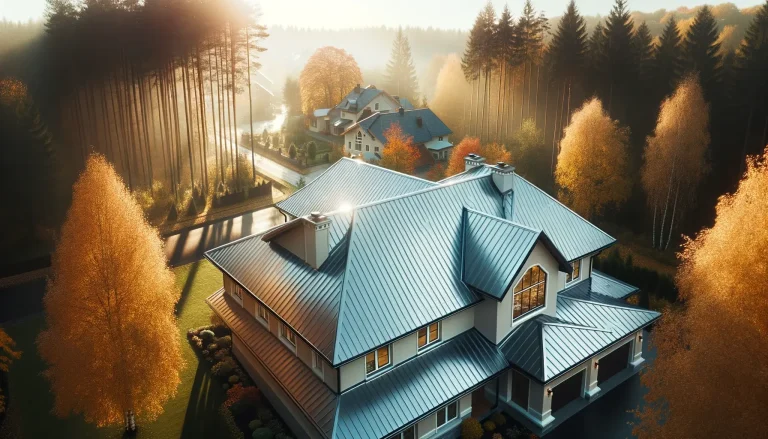
A standing seam material roof is a strong and modern kind of roofing. It has long metal panels that run from the edge of the roof to the top. These panels are connected by raised seams, which stand up above the level of the roof itself.
The seams are where two panels meet and they’re fastened together hidden from view, which keeps out water and gives your roof a sleek look.
This type of roof is great because it can handle changes in weather really well. As temperatures go up or down, the metal can expand or contract without causing damage thanks to its smart design with concealed clips.
When we move on to talking about materials for these roofs, picking one that works well with this expansion and contraction will be key.
Advantages of Standing Seam Material Roofing
Standing seam metal roofs bring many benefits to your home. They blend style with function for a long-lasting finish. Here’s why they are a smart choice:
- Leak Resistance: The panels join tightly together, leaving no room for water to get in. This design helps keep your roof dry and safe.
- Durability: Metal roofs are tough. They stand up against wind, rain, and even hail without breaking or denting easily.
- Low Maintenance: Once installed, standing seam roofs need very little care. You won’t have to spend much time or money keeping them in good shape.
- Energy Efficient: These roofs reflect sun rays which can lower cooling costs. Your house stays cooler in the summer without working your air conditioner too hard.
- Long Life Span: Metal roofs can last 50 years or more with proper care. This means you won’t have to replace it as often as other types of roofing.
- Safety: Metal doesn’t catch fire like wood does. This keeps you safer from fires that spread on roofs.
- Eco-Friendly: Lots of metal roofing materials can be recycled when they’re no longer needed. This makes them good for our planet.
Key Components of a Standing Seam Material Roof System

At the heart of every robust standing seam metal roof is a well-coordinated ensemble of components, each playing a crucial role in securing your home against the elements. From the foundational roof decking to precision-engineered clips and ridge capping, understanding these key parts ensures that your installation stands as a paragon of durability and efficiency.
Roof Decking
Roof decking is the foundation for your metal roof. It’s what everything else sits on. Usually made of wood or plywood, the decking must be strong and flat. You need good decking so that your metal panels stay straight and look nice.
Before you put on the standing seam material , make sure to check if your roof deck is in good shape. It needs to handle the weight of your new roofwithout problems. If it’s old or damaged, you might need to fix or replace it first.
This step keeps your roof sturdy for a long time!2
Lock Strip
A lock strip is a key part of some metal roofs, like the Mirage II. It helps hold roofing panels in place. You don’t see the fasteners because they hide under the lock strip. This makes your roof look clean and smooth.
The 138T & 238T systems also use this smart design.
The lock strip makes your roof secure and strong against bad weather. If a panel gets hurt, you can just replace it without touching the rest of your roof. This is good for saving money and time if repairs are needed in the future.
It’s why homeowners choose systems like Meridian and Medallion-Lok that have these strips included for extra safety from storms and wind.
High Heat Ice and Water Shield as Underlayment
High heat ice and water shield is like a superhero for your roof. It protects the deck from damage when metal panels expand or contract because of changes in temperature. Imagine it as a strong, sticky blanket that covers the whole roof underneath the metal sheets.
This shield sticks to the wood and won’t let go, keeping out water and snow.
Even if metal moves around, this underlayment stays tough. It’s made to take high temperatures without melting or falling apart. Roofers put down this layer before anything else goes on top.
Clips then hold the metal panels in place on top of it, letting them slide over this shield without any trouble during hot or cold days—this keeps your roof safe for a very long time.
Material Panels
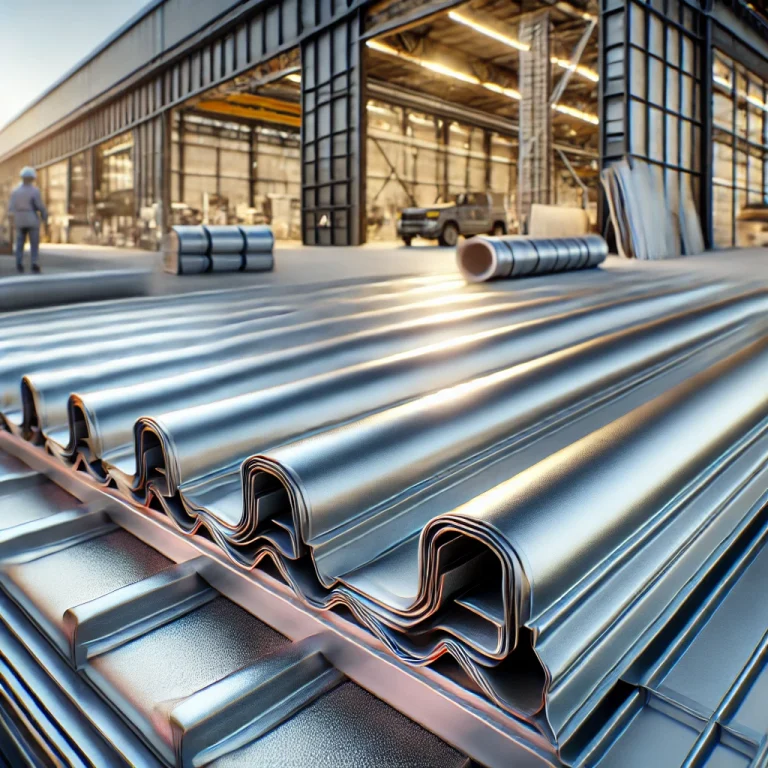
Now that we’ve covered underlayment, let’s talk about the metal panels themselves. These are the main part of your roof and what you see from outside. Metal roofing panels come together with no screws showing.
This makes them look neat and keeps water out better.
The panels are made to handle changes in temperature too. As it gets hot or cold, they expand or shrink without harm. You can get these panels in different ways they fit together like snapped or mechanically seamed types.
Some attach with clips; others don’t need any.
You can choose metal for your panels that won’t rust fast, such as galvanized steel, which has a special coating to protect it more against rusting. A good choice is a material that lasts long and saves energy by keeping heat out of your home better than other roofs like asphalt shingles.
Remember that Metalart even lets you curve their standing seam systems on-site if you want something fancy! So when picking out metal for your roof, think about how well it stands up to weather and looks over time – things like if it’ll get a nice patina as years go by.
Clips
Once the metal panels are in place, clips become the stars of the show. These small but mighty parts lock your roof’s metal panels together every one to two feet. They’re secured with screws to make sure everything stays put.
This is key for keeping your roof strong against wind and rain.
Clips also let your roof move a little when it gets hot or cold out. This movement is normal because of thermal expansion — that’s just a fancy way of saying things stretch out when they warm up and shrink back down when they cool off.
A well-installed clip system makes sure your metal roof lasts long and stands tough against all kinds of weather changes.
Z bar
The Z bar plays a big role in how standing seam panels stick to the roof. It is metal flashing shaped like the letter “Z.” Workers use it between panels, where it gets tucked and screwed down onto the roofing deck.
This keeps everything tight and stops water from getting in.
Choosing high-quality Z bars means your roof will fight off rust better and last longer. Look for ones that are corrosion-resistant to make sure your metal roof stays strong through rain, snow, or shine.
After securing with a Z bar, a ridge capping or transition metal tops off the system for full protection.
Ridge Capping or Transition Metal
Ridge capping plays a key role in your metal roof. It sits on top and stops water from getting in where the two slopes meet. You have to do this part right, or you might get leaks.
There are different looks and types of ridge caps to choose from so they can fit with the rest of your roof.
To make sure the cap sticks tight, you need good measurements and sealing. This keeps water out for good. The material for your cap should go well with what your roof is made of, like zinc or steel that don’t rust easily.
They not only protect but also give your home a nice finish look—making sure it looks great and stays dry underneath.
Choosing the Right Material for Your Standing Seam Material Roof

Selecting the ideal material for your standing seam metal roof hinges on various factors, such as local climate, aesthetic preferences, and performance requirements; this critical choice shapes not only the longevity and efficiency of your roofing system but also its overall contribution to your property’s value—dive deeper with us to uncover how you can make a well-informed decision tailored to your unique project needs.
Considerations for Material Selection
Picking the right material for your standing seam metal roof matters a lot. Think about things like how long it will last, if it can stand up to bad weather, and if it goes with the rules of your homeowner association (HOA).
Some metals can rust, so pick one that resists corrosion. You might want something light yet strong, or maybe you care more about energy efficiency. Always check that the material fits well with your home’s look and meets any specific needs for durability.
Next up is finding out how panel width and metal gauge play a part in your choice.
The Role of Panel Width and Metal Gauge
After thinking about what material to use, it’s important to look at the size and strength of your metal panels. The width of these panels can be different, from 12 inches to as wide as 19 inches.
Choosing a wider panel might save some money since you’ll need fewer pieces, but they may not look as nice on smaller roofs. On the other hand, thinner panels are cheaper and can work better for complex roof shapes.
The thickness of the metal is also key—it’s measured in gauges. A lower gauge means thicker metal which is tougher and lasts longer. For example, thicker steel or aluminum panels are stronger than thin ones but will cost more money up front.
Gauge differences affect how well the roof stands up to things like hail or heavy snow. Think about your budget and what kind of weather your roof needs to handle when picking out the gauge for your standing seam metal roof materials.
The Impact of Roof Design and Accessibility on Material Choice

The shape and how easy it is to get to your roof can change what materials you should use. Flat roofs or ones with a gentle slope might need different metal panels than steep ones.
If workers can’t easily move around on your roof, they’ll need materials that are tough but light. This makes sure they stay safe and the roof won’t get hurt during installation.
Some areas may be hard to reach or have tricky parts like chimneys or vents. Here, smaller panels work best so they fit well and don’t leave spaces for water to sneak in. Always pick materials that match the design of your roof and consider how workers will put them on.
This helps keep your metal roof strong against things like rust and leaks for a long time.
Conclusion
Picking the perfect <strong>standing seam material could make all the difference for your roof. Think about what matters most: how long it will last, looks, and how much it costs. Remember, a good choice now can save headaches later.
Your home deserves a strong, pretty top that stands up to weather and time. Get the best for your project – you’ll be glad you did!
FAQs
1. What’s the best standing seam material for a long-lasting metal roof?
For durability and corrosion resistance, materials like galvanized steel and aluminum are excellent choices for standing seam metal roofs. They withstand harsh weather and don’t corrode easily, making them ideal for roofing projects.
2. Are there eco-friendly options for my metal roof project?
Absolutely! Recyclable metals like aluminum offer energy efficiency and can be reused. They’re perfect for those aiming for environmentally friendly building practices or pursuing net-zero construction goals.
3. How do I pick a roof material that’s right in areas with lots of rain or snow?
Look into metal roofing materials with water-resistant properties, such as coated steel or aluminum. They shed water effectively, preventing damage from moisture and relative humidity.
4. Can certain roof materials help keep my house cooler in hot climates?
Yes, indeed – choose reflective metals to boost energy efficiency in arid climates; this helps maintain lower temperatures inside your home by reflecting sunlight away from the roof.
5. Is it necessary to consider my house siding when selecting roofing material?
You should consider compatibility between roofing materials and your home’s siding to ensure proper insulation and prevent issues like moisture build-up—which can lead to more complex problems down the line.
6. Will homeowner associations (HOAs) influence my choice of roofing material?
Yes, HOAs may have rules on which building materials you can use—always check with them before deciding on your standing seam material for your metal roofing project to avoid any setbacks.