Snap Seam Metal Roofing 2025

Struggling to choose the right roof for your home? Snap Seam Metal Roofing is changing how homeowners protect their spaces, with solid decking and a sleek finish. This post will guide you through the benefits and installation of Snap Seam panels, helping you make an informed decision.
Keep reading – your perfect roof awaits!
Understanding Snap Seam Metal Roofing

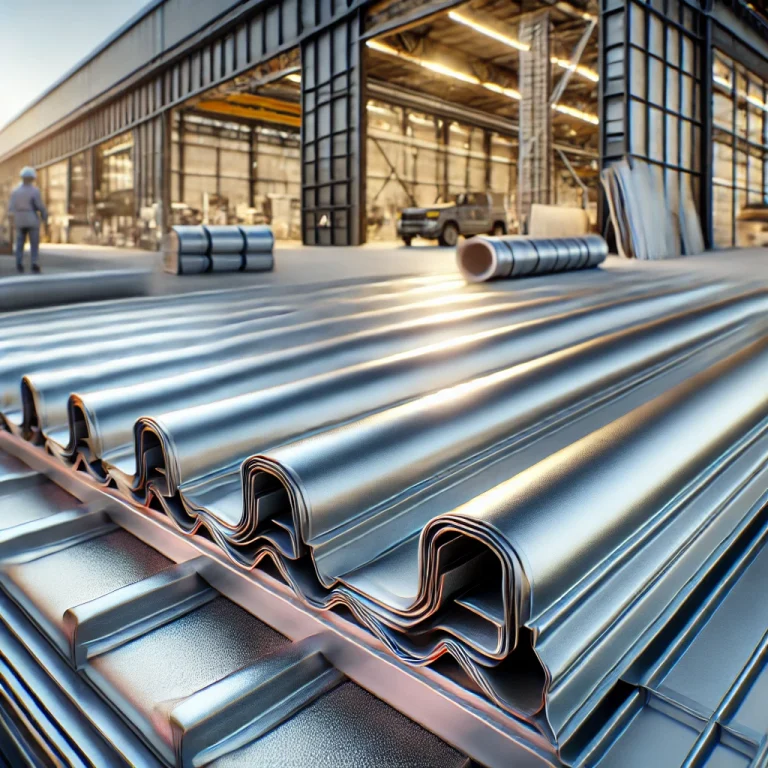
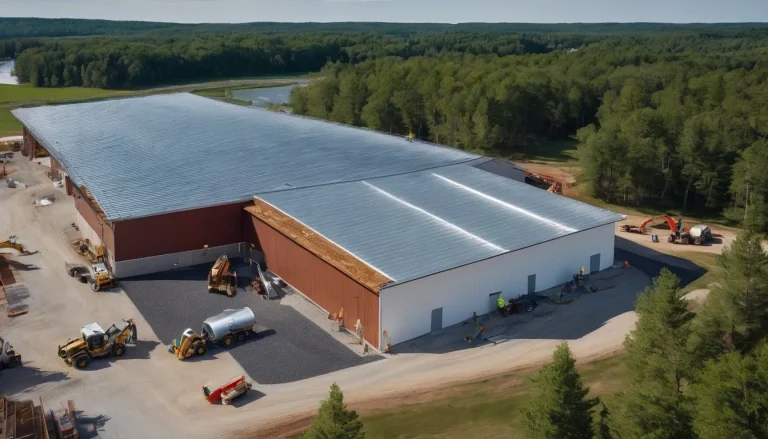
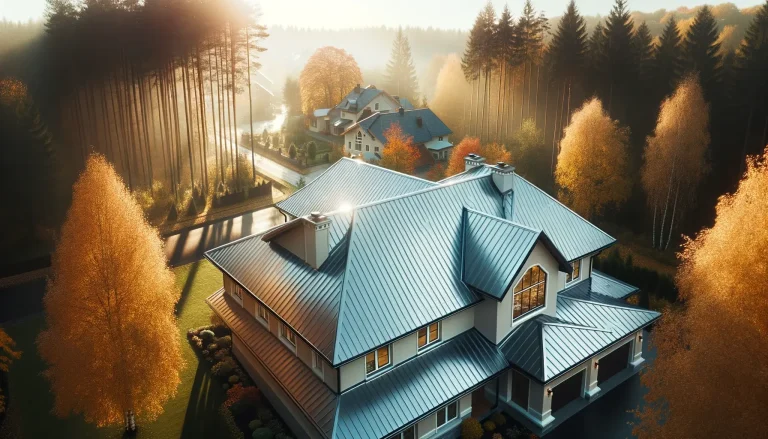
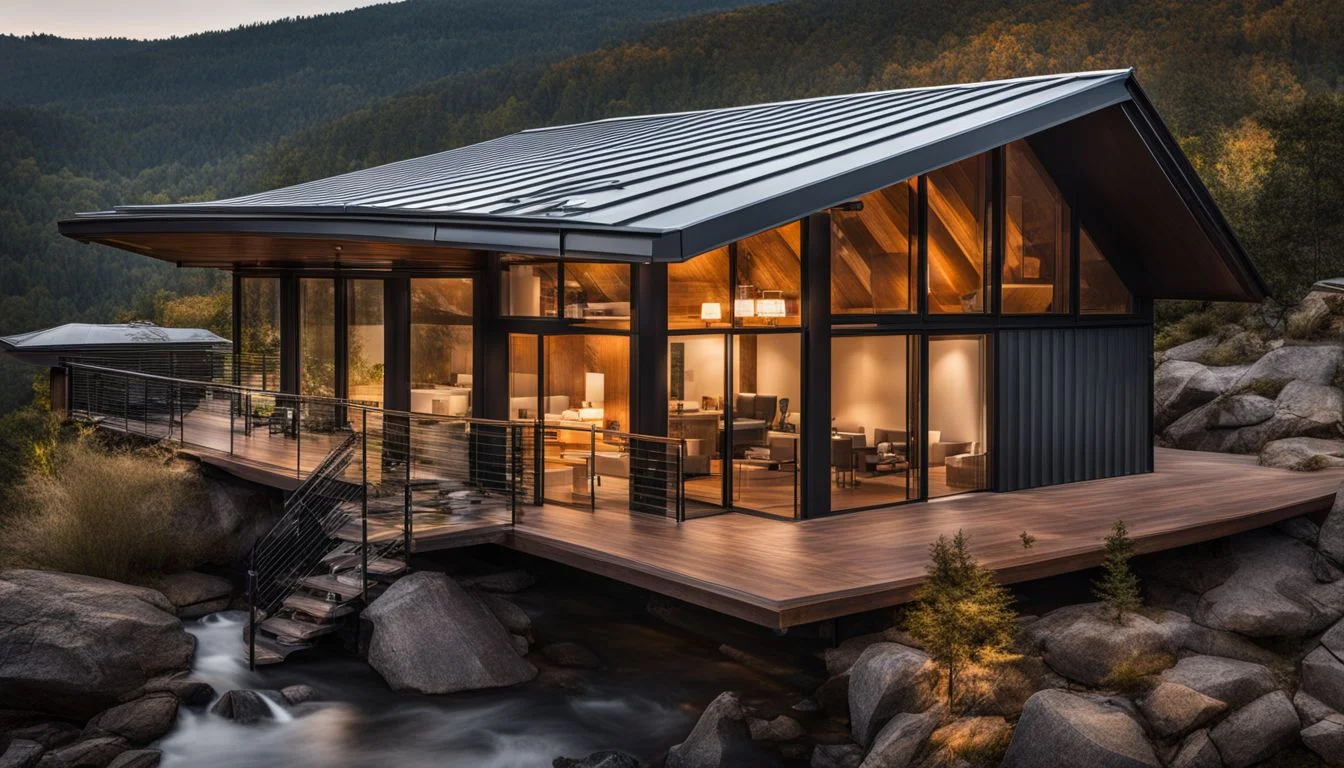
Snap seam metal roofing is a smart choice for covering your house or building. It’s made with big metal panels that “snap” together at the edges, making them lock tight and stay put.
This design keeps water out and can stand up to strong winds without using lots of screws on top where you can see them.
There are different kinds of snap seams like standing seam, exposed fastener, concealed fastener, and special types that look like shingles or tiles. They’re rollformed in factories so they fit just right when installed.
Plus, these roofs are often coated with primer and paint that help protect against rust and fading from the sun.
Types of Snap Seam Metal Roofing

Delving into the realm of snap seam metal roofing reveals a varied landscape, each with unique characteristics tailored to different architectural demands and aesthetic preferences.
From the sleek lines of standing seam panels to the traditional appeal of specialty shingles and tiles, these systems offer robust solutions for modern rooftops.
Standing Seam
Standing seam is at the heart of snap seam metal roofing and stands out for its durability and sleek look. Metal panels join together with raised seams, giving water no chance to sneak through gaps.
This type keeps your roof safe from leaks and adds years to its life. Think about it like armor; the raised seams act as strong shield that fights off bad weather day after day.
Now let’s talk about a top choice: Instaloc systems make things easy for both pros and folks who like to do it themselves (DIYers). They snap right together! And they don’t just protect well —they hide their clips, so you get a clean, smooth look on your roof.
Western Lock takes standing seam further with a lifetime of up to 60 years or more combined with many color options—more than 100! Imagine picking from a huge box of crayons to find just the right shade for your house or shed.
Exposed Fastener
Shifting from the sleek look of standing seam panels, exposed fastener systems present a different approach. These metal roofs use screws that go directly through the panel and into the roof deck or framing below.
You can see each screw head, which is why it’s called “exposed.” This style has its roots in more traditional roofing methods and is often found on sheds and agricultural buildings.
Installing an exposed fastener system is usually quicker and costs less than other metal roofing types. The screws are put in at set distances apart along the roof’s surface. It’s important to do this right to keep water out.
Some people pick exposed fasteners because they like how it looks or because it fits their budget better. Just remember, these kinds of roofs need checks now and then to make sure all the screws are tight and nothing has moved around due to weather or time.

Concealed Fastener
Unlike exposed fasteners, concealed fastener systems offer a clean look with hidden clips and screws. These are the secret agents of snap seam metal roofing – they hold everything together without being seen.
Thanks to their clever design, roofs get smooth lines and avoid the tiny punctures that exposed fasteners can leave behind.
One popular choice in this category is Instaloc, a snap-together system known for its sleek style. It uses concealed clips which not only enhance the roof’s appearance but also help protect against leaks and weather damage.
This method keeps your roof looking tidy while delivering strong performance against nature’s forces. With these systems, you won’t find any screws on show; instead, each panel snaps into place over the clip for a secure fit that looks great from every angle.
Specialty Panels – Shingles/Tiles/Stone Coated
Specialty panels offer a unique touch to snap seam metal roofing. These include shingles, tiles, and stone-coated options that look like traditional materials but come with the benefits of modern engineering.
For example, you can get metal panels shaped like classic roof tiles or even ones that mimic the texture of stone. They’re made strong and coated with substances like Kynar 500® for extra protection.
These fancy panels bring style to any building while still fighting off fire and bad weather, just like regular snap seam roofs do. They fit together easily without showing screws for a clean look that lasts long without much worry.
Plus, they come in lots of colors so each roof can shine in its own way! Next up is exploring the good things and not-so-good things about snap lock standing seam systems.
Pros and Cons of Snap Lock Standing Seam

When exploring the landscape of metal roofing, snap lock standing seam systems emerge as a popular choice, prized for their blend of aesthetics and performance. Yet, like any material, they come with their unique set of strengths and limitations—insights that are crucial for homeowners and builders aiming to make informed decisions.
Benefits/Advantages of Snap-lock Panel Profiles
Snap seam metal roofing offers many great perks. It’s known for its durability and style, making it popular for both homes and businesses. Here are some of the best things about snap-lock panel profiles:
- They’re strong and can handle tough weather. The panels lock together tightly, which helps keep out rain, snow, and wind.
- Snap seam roofs look very nice. They have clean lines that give any building a modern touch.
- You’ll find they last a long time too. The special coating on top keeps the color from fading and protects against rust.
- These roofs are good against fire. They get the highest rating for fire resistance, which can help keep you safer.
- If you worry about privacy or data online, this type of roof doesn’t share any info like some tech products do.
- Installing them is pretty fast since the pieces just snap together. This means your new roof can be ready quickly.
- You won’t hear much noise from rain or hail either because of how they’re made.
- They also don’t need a lot of work to stay in good shape — just regular cleaning will do.

Drawbacks/Disadvantages of Snap-lock Panel Profiles
Snap seam metal roofing has its downsides, just like any roofing option. Here are some of the disadvantages:
- Limited Use on Low Slopes: This kind of roof isn’t good for homes with very slight slopes. Snap-lock profiles need a pitch of at least 3/12 to work well.
- Not Great for All Homes: Some snap-lock seams might look too big or out of place on houses. They can seem more fitting for big buildings than cozy homes.
- Oil Canning Problem: The panels could show wavy lines called oil canning. This is a visual issue but doesn’t hurt the roof’s performance.
- Tricky Installation: Putting up snap seam roofing needs special tools and know-how. If someone does it wrong, the roof might leak or have other problems.
- Cost: They usually cost more than other types of roofs because they’re made in special ways and need certain materials that aren’t cheap.
- Hard to Change: Once installed, changing or fixing just part of a snap seam metal roof can be tough and costly compared to roofs with exposed fasteners.
- Needs Solid Decking: These panels must be put on top of a solid surface. Open frame structures without this kind of base aren’t right for snap seam roofing.
Comparison: Snap-lock vs. Mechanical Seam vs. Nail Strip
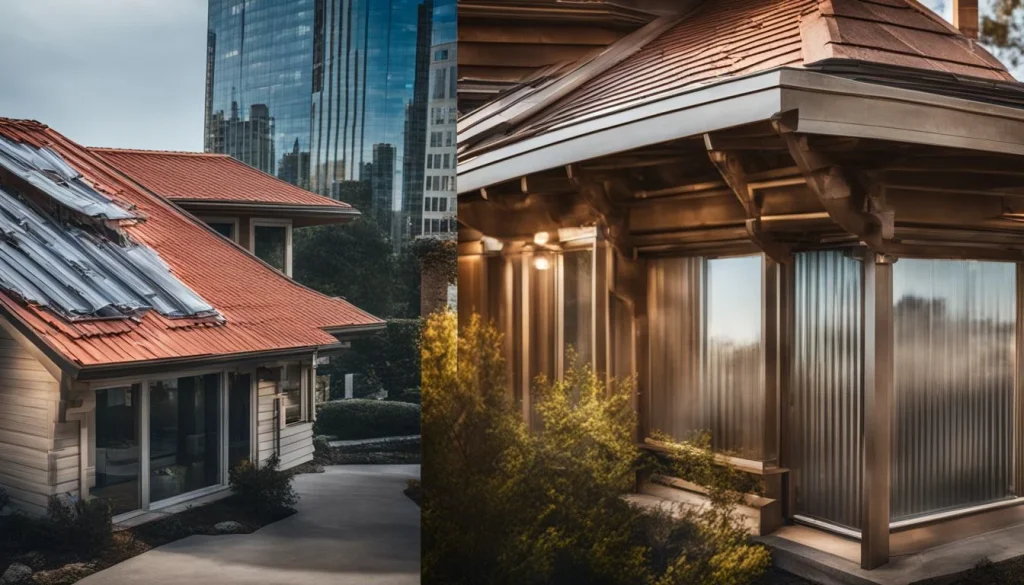
When exploring the world of metal roofing, understanding the differences between snap-lock, mechanical seam, and nail strip profiles is crucial for making an informed decision. These systems vary in installation methods, performance under various conditions, and overall suitability for different types of projects. Here, we provide a concise comparison of these three popular metal roofing options through a clear and straightforward table.
| Feature | Snap-lock | Mechanical Seam | Nail Strip |
|---|---|---|---|
| Installation | Fast and efficient with panels that snap together | Requires specialized tools to crimp panels together | Features a built-in fastening flange, simplifying attachment |
| Fastener Visibility | Hidden fasteners for a clean look | Hidden fasteners maintain aesthetic appeal | Exposed fasteners, more noticeable |
| Performance in Weather | Good performance with moderate expansion and contraction | Excellent performance in extreme weather, allows for thermal movement | Good, but fasteners may loosen over time due to thermal movement |
| Suitability | Ideal for residential and light commercial applications | Optimal for heavy commercial and industrial use | Suited for residential and light commercial, less ideal for areas with high winds |
| Cost | Lower cost due to ease of installation | Higher cost due to labor-intensive installation | Lower upfront cost, potential for higher maintenance costs |
| Longevity and Maintenance | Durable with minimal maintenance required | Extremely durable with very low maintenance | Requires more frequent inspections to ensure fastener integrity |
| Aesthetic Flexibility | Offers various profiles and finishes | Limited profile options compared to snap-lock | Provides a distinctive look with visible fastener heads |
These comparisons bring to light the unique characteristics of each roofing system, allowing homeowners, contractors, and architects to pinpoint the solution that best aligns with their project requirements, aesthetic preferences, and budget considerations.
Installation of Snap Seam Metal Roofing
Choosing the right roofing system is key, but putting it in place is just as important. Let’s look at how to install snap seam metal roofing step by step.
- Check the roof: The first thing you do is make sure the roof deck is solid, clean, and dry. A good start means a better finish.
- Measure twice: You need accurate measurements of your roof to cut the metal panels correctly.
- Lay the underlayment: Roll out and secure a water-resistant layer over the whole roof to protect against leaks.
- Start at the edge: Fix the edging trim around your roof’s sides to help water flow off.
- Place starter panels: At one corner of your roof, attach a starter panel which guides the rest of your work.
- Install panels: Slide each metal panel into place so it locks with the previous one, using concealed clips that come with Instaloc systems.
- Apply sealant if needed: Some systems need sealant on each panel’s edge for extra waterproofing—like Instaloc with its factory-applied sealant.
- Secure edges tightly: Make sure every panel’s seam is locked tight—you might need a hand tool or seamer for this part.
- Attach caps and flashings: This helps close up any gaps where water might sneak in, especially around things sticking out of your roof like chimneys or vents.
- Double-check everything: Go over all seams, fasteners, and flashings once more to ensure they’re secure and leak-proof.
Conclusion
Snap seam metal roofing shines with its easy installation and lasting beauty. It stands up to fire and tough weather, making it a smart pick for homes and shops. Plus, you can find the perfect style to match your building.
Remember – snap seam roofs are not just sturdy; they also bump up your place’s charm! With all these perks, this roofing could be just what you need.
FAQs
1. What is snap seam metal roofing?
Snap seam metal roofing is a type of roofing system where metal panels lock together at the seams without needing special seaming tools. The manufacturer creates these panels with rollforming machines for an easy and secure fit.
2. How long do snap seam roofs last, and do they come with warranties?
These metal roofs are known for their durability – often lasting as long as 50 years! Yes, manufacturers usually offer warranties to cover your roof over time, so always check the details when you’re buying.
3. Can snap seam roofing help in creating a net-zero building?
Absolutely! Snap seam roofing reflects sunlight which can keep buildings cooler and reduce energy costs. This feature contributes to designing net-zero buildings that aim to produce as much energy as they use.
4. Will I need any special tools or knowledge to install snap-seam siding or roofing?
You won’t need specialized seamers for installing this type of siding or roofing thanks to its clever design that snaps together easily. However, it’s still important to understand how everything fits – looking at the shop drawing should help clarify installation steps.