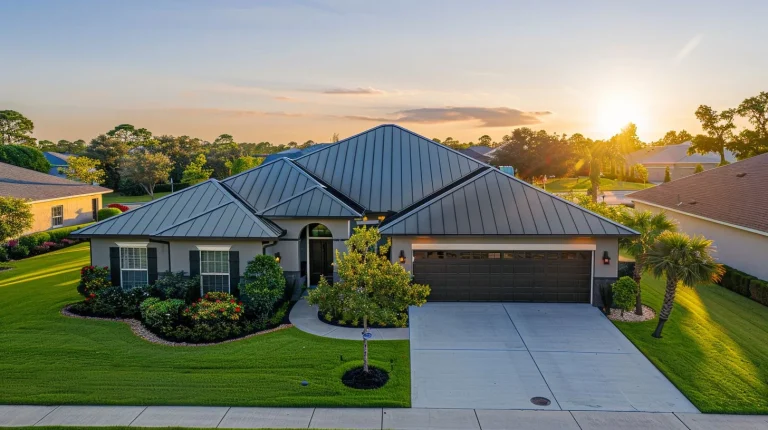
Sunroof Metal Roofing Construction 2025

Finding the right roofing solution that lets in plenty of natural light without compromising on durability can be a challenge. Fortunately, sunroof metal roofing offers an innovative answer.
This article will guide you through its benefits, installation tips, and everything you need to know for a brighter, more energy-efficient home. Ready to illuminate your space? Let’s dive in.
Understanding Sunroof Metal Roofing
Metal roofing works well with skylights like curb-mounted, tubular, and polycarbonate ones. These options make it easy to find the perfect fit for any home or building design.
Polycarbonate skylights shine in areas that don’t need insulation, such as carports or barns. They match metal roofing panels and install similarly–fastened every two feet and sealed to keep water out.
This method ensures a watertight seal that keeps the elements at bay while letting in beautiful natural light.
Benefits of Sunroof Metal Roofing

Sunroof metal roofing transforms homes, letting in that sweet, natural sunshine and cutting down your energy bills. It also gives your house that sleek look everyone admires from the street.
Enhanced Natural Light
Polycarbonate skylights blaze a trail for sunlight to flood your home, illuminating spaces that felt dim before. This innovative roofing material pairs with metal panels, creating a seamless look while functionally outshining traditional options.
Imagine rooms drenched in daylight without the need for electric lights during the day. It’s not just about brightness; it’s about bringing life into your home.
These polycarbonate panels are designed to match the profile of metal roofing, making installation a breeze. Every two feet on center, they’re securely fastened, ensuring durability amid diverse weather conditions.
This approach not only enhances natural light but also maintains the integrity of your roof’s structure. Next up: how this lighting solution turns energy efficiency into an art form.
Improved Energy Efficiency
Sunroof metal roofing with skylights, including those made from polycarbonate materials, plays a big role in boosting a home’s energy efficiency. Natural light floods the space below, reducing the need for artificial lighting during the day.
This brings down electricity bills significantly. These skylights fit perfectly on various metal roofs: whether it’s shaped with ridges or sleek and flat.
Furthermore, proper installation of these sunroofs can help maintain indoor temperatures more consistently. In summer, they reflect heat away; in winter, they trap warmth inside. This balance means less reliance on heating and cooling systems throughout the year—another win for energy savings and comfort.
Selecting double-glazed glass options further enhances this effect by providing excellent insulation.
Aesthetic Appeal
Sunroof metal roofing, especially with polycarbonate skylights, adds a touch of elegance to any home. These skylights match the profile of metal panels perfectly, creating a seamless look.
The light filtering through them transforms spaces inside, making rooms feel brighter and more inviting.
Installing these features can significantly boost your home’s curb appeal. Visual harmony between the sleek lines of metal roofing and the clear, modern look of polycarbonate panels elevates exterior design.
This combination ensures your house stands out in style while blending functionality with beauty.
How to Install a Skylight on a Metal Roof

Installing a skylight on a metal roof involves careful planning and precise execution, ensuring your home enjoys more natural light without leaks or damage — dive deeper to master the steps!
Choosing the Right Skylight
Picking the perfect skylight for your metal roof means considering durability, location, and what you need from the light. Polycarbonate skylights stand out for areas like garages or barns where insulation isn’t a big concern but lighting is crucial.
They’re tough against weather and let in loads of natural light — ideal for making dim spaces bright without adding to your energy bill.
Think about shape and size as well. Do you want a large area flooded with daylight, or are you aiming for subtle accents? The spot on your roof also matters; aim to install the skylight where it captures sun most effectively.
Galvanized steel flashing is a must to keep everything watertight and secure – no shortcuts here! Remember, getting advice from a home inspector can prevent future headaches by ensuring your choice fits seamlessly with your metal roofing structure.

Installation Process
Installing a skylight on a metal roof brings challenges, but with the right knowledge, it’s entirely possible. Metal roofing pairs well with various skylights such as curb-mounted and tubular ones. Here’s how to do it:
- Select the Right Skylight: First, you need to choose a skylight that fits your roof type. Metal roofs work great with curb-mounted, tubular, and polycarbonate skylights. The choice depends on your preference for natural light and design.
- Measure Carefully: Before you cut anything, measure the area where the skylight will go several times to ensure accuracy. Mistakes at this stage can be costly.
- Cutting the Opening: Use a drill bit suited for metal to start the opening. Next, cut out the marked area with tools compatible with your roofing material. This step requires precision to avoid damaging surrounding panels.
- Apply Underlayment: Lay down a layer of felt paper or oriented strand board (OSB) around the opening for extra leak protection. This acts as an additional barrier against water infiltration.
- Install Flashing: Flashing is crucial for preventing leaks around the skylight edges—use techniques specific to metal panels here, overlapping them correctly to ensure a watertight seal.
- Seal Everything Tightly: Apply butyl tape or clear elastomeric sealant between the panels for added security against water leakage. Proper sealing keeps water from wicking up under the panel—a common problem in poorly installed setups.
- Secure Skylight in Place: After placing the skylight into its designated spot, fasten it securely following manufacturer instructions to avoid future shifts or gaps.
- Double-check Everything: Go over every detail again once installed; ensuring there’s no room left for errors can save you trouble down the line.
- Safety Precautions: Avoid stepping directly on polycarbonate panels; older or brittle fiberglass panels are especially prone to damage under weight.
Underlayment Requirements for Metal Roofing

Metal roofing demands specific underlayment protocols to protect your home from water damage. The right underlayment acts as a secondary barrier against moisture, ensuring that any water that gets past the metal panels doesn’t find its way into your attic or living spaces.
For optimal protection, experts recommend using synthetic products designed specifically for metal roofs—these materials offer superior resistance to water compared to traditional felt paper.
You’ll also want to consider the climate in which you live. In areas prone to high winds and heavy rainfalls, selecting an underlayment with self-sealing properties can be crucial.
This type ensures that if a shingle is torn off by strong winds, the sealant will help prevent water from penetrating the roof deck. Remembering these requirements not only safeguards your home but also aligns with building codes and standards for long-lasting durability and performance of your metal roofing system.
Safety Considerations for Sunroof Metal Roofing Construction
Working with sunroof metal roofing demands caution and precision. It’s vital to avoid stepping on polycarbonate panels, as older, brittle fiberglass materials can crack under pressure.
This type of care prevents accidents and ensures the integrity of your roof.
Sealing the spaces between panels is crucial—use butyl tape or clear elastomeric sealant to block water from wicking underneath. Pre-drill holes for screws carefully to prevent cracking polycarbonate panels.
Gentle handling while driving screws in safeguards against damage, maintaining the roof’s durability and weather resistance.
Conclusion
Sunroof metal roofing transforms spaces, letting in that much-desired natural light. It marries functionality with beauty, creating energy-efficient homes that also look stunning. Remember, choosing the right skylight and following proper installation procedures are key to avoiding leaks and maximizing benefits.
And never underestimate the importance of safety when working on your roof—taking care ensures a job well done. With these elements in mind, embarking on sunroof metal roofing construction can be a rewarding venture for homeowners looking to brighten up their homes.

FAQs
1. What makes sunroof metal roofing a good choice for my home?
Well, let’s dive in—sunroof metal roofing not only gives your house a sleek, modern look but it’s also incredibly durable against weather damage. It can stand up to heavy rain, snow, and even hail. Plus, when we do a home inspection, we often find that homes with metal roofs have fewer issues related to leaks or shingle damage.
2. Can installing a sunroof metal roof improve my privacy?
Yes—and here’s how it works: While the main job of your roof is to protect your home from the elements, certain types of sunroof metal designs can actually add an extra layer of privacy. They do this by reducing sightlines into your property from above and muffling sound more effectively than other materials like singles or siding.
3. How does the installation process work for sunroof metal roofs?
Great question! The process starts with removing any old shingles or siding that might be on there already; then our team inspects the structure underneath to ensure everything is solid before laying down the new roof. We make sure windows are protected during installation too—for us, keeping your home safe and clean throughout this project is top priority.
4. Is there anything I need to know about maintenance after my sunroof metal roofing is installed?
Absolutely—a little bit goes a long way here! Regularly check around vents and windows just to catch any potential issues early on; occasionally you’ll want a professional inspection just to confirm all is well up top beyond what you can see from the ground level,—but really,, these roofs are known for their low-maintenance appeal . Keeping gutters clear is another simple step that helps maintain their condition over years.
Click for more information about Sunroof Metal Roofing Construction.