Standing Seam Roof Fall Protection 2025
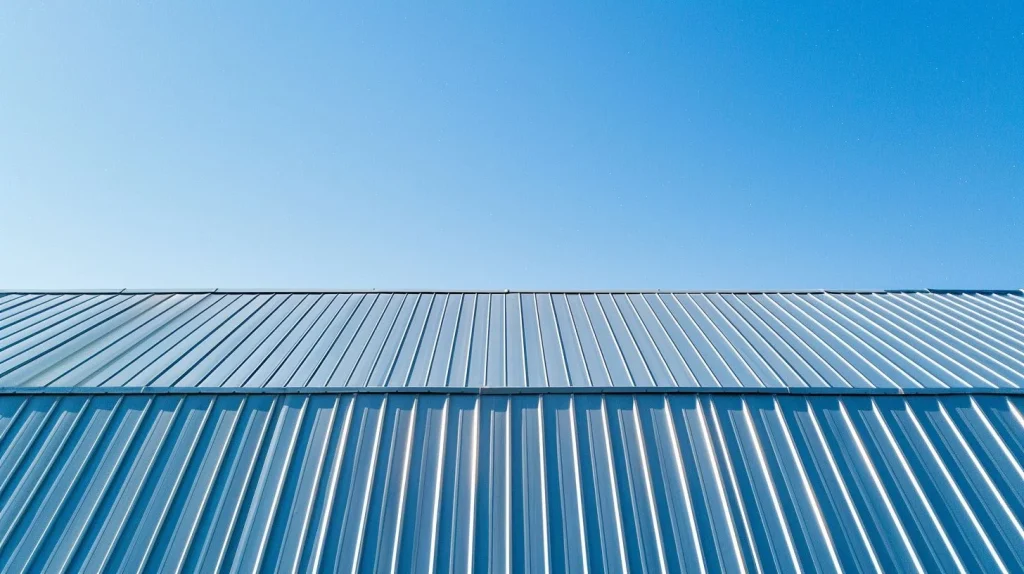
Navigating rooftops can be risky, especially if they’re metal with those sleek standing seams. Here’s a fact: Fall Protection Distributors offers a range of equipment designed just for such scenarios.
This article delves into the world of fall protection on standing seam roofs, offering solutions that keep you safe while up high. Let’s get started and make safety a priority.
Understanding Standing Seam Roof Fall Protection

Standing seam roof fall protection keeps workers safe up high. It’s all about stopping falls before they happen.
The Importance of Fall Protection
Fall protection saves lives. On standing seam roofs, slips and falls are real dangers. Workers must harness up with reliable fall arrest systems to stay safe. These systems catch them if they slip, preventing serious injuries or worse.
Safety equipment like the Falltech 7016B offers a lifeline on steep metal surfaces.
Suppliers play a big role in roof safety. They offer gear that meets strict safety regulations. This includes everything from personal protective equipment to anchoring solutions that secure workers high above the ground.
Next, we’ll dive into the basics of standing seam roof anchors – key components in keeping you safe up there.
Standing Seam Roof Anchor Basics
Standing seam roof anchors are crucial for anyone working on metal roofs. They clamp onto the seams without drilling holes or using screws, keeping the roof intact and workers safe.
These anchors support equipment like harnesses and lanyards, creating a secure point to prevent falls. The SSRA1 model stands out because it comes with a lifetime warranty for the original purchaser, offering peace of mind alongside robust protection.
The setup is quick and straightforward, making it an ideal choice for various roofing projects. Workers can install these anchors efficiently, saving valuable time while ensuring top-notch safety standards are met.
With reliable brands like Falltech 7016B and accessories such as SSRA Universal Mounting Plate SSRA3 mentioned in important facts, standing seam roof anchors have become indispensable in fall protection gear.
Let’s move on to explore specific fall protection equipment designed for standing seam roofs.
Fall Protection Equipment for Standing Seam Roofs

Choosing the right fall protection equipment for standing seam roofs is vital, ensuring safety and compliance. Let’s delve into some top products designed specifically for these types of roofs, offering secure and reliable solutions for workers.
RoofClamp/ SataMount
RoofClamp and SataMount are vital tools for securing fall protection equipment on standing seam roofs. They use a clamping mechanism to attach firmly onto the seams, providing a stable anchor point for safety harnesses and lanyards.
This method ensures workers stay safe while moving across metal roofs, preventing slips and falls.
These products come with installation guides, making them easy to set up. The process is straightforward – no need to drill holes or damage the roofing material. Plus, customer support is always ready to help with any questions through phone, email, or live chat.
With RoofClamp and SataMount, you get reliable fall protection that’s easy to install.
Standing Seam Roof Anchor 1 (SSRA1)
The Standing Seam Roof Anchor 1 (SSRA1) plays a crucial role in ensuring the safety of workers on metal roofs. This anchor is designed for versatility and durability, providing strong support to prevent falls.
It’s easy to install and doesn’t require any special tools, making it a favorite among roofing professionals. Plus, with a lifetime warranty for the original purchaser, users can trust its quality and reliability.
For companies interested in offering this vital safety tool, Fall Protection Distributors offers a reseller program. A minimum purchase of 24 anchors unlocks reseller pricing, making it an attractive option for stocking and marketing the SSRA1 as part of your product range.
Next up: let’s explore the DBI-SALA Standing Seam Roof Anchor and its features.
DBI-SALA Standing Seam Roof Anchor
After exploring the SSRA1, let’s delve into the DBI-SALA Standing Seam Roof Anchor. This tool stands out for its compatibility with a wide array of fall arrest systems. However, it’s essential to note that it is not compliant for use with Horizontal Lifelines.
Crafted from corrosion-resistant materials like steel and aluminum, this anchor promises durability even in the harshest working conditions.
DBI-SALA’s design makes it quick and easy to install, minimizing any potential damage to rooftops. Its lightweight yet sturdy construction meets critical safety standards set by OSHA 1910.140 and 1926.502 requirements, ensuring top-notch protection against falls from metal roofs.
Plus, every purchase comes backed by a lifetime warranty for the original buyer – a testament to its quality and reliability in providing superior fall protection on standing seam roofs.
Inspection Procedures for Fall Protection Equipment

Checking your fall protection gear is key — think of it as a safety net for your safety net. We’ll show you how to spot wear and tear, ensuring every piece does its job perfectly.
SRL/SRD Inspection
Inspecting your Self-Retracting Lifeline (SRL) or Self-Retracting Device (SRD) is a must for standing seam roof safety. It ensures that workers are protected at all heights. Here’s how to do it properly:
- Start with the housing – Look for any visible damage. This includes cracks, dents, or any signs of wear and tear on the device’s body.
- Check the lifeline – Pull out the lifeline carefully. Examine it for cuts, frays, or any other damage that might compromise its strength.
- Test the retraction – The lifeline should retract smoothly without interruptions. If it sticks or hesitates, this could indicate an internal problem.
- Inspect the connectors – Make sure hooks and carabiners close fully and lock securely. Any signs of distortion or excessive wear could be dangerous.
- Look at the braking mechanism – This part is crucial for stopping a fall quickly. While you can’t see inside, listening for unusual noises during retraction can clue you into potential issues.
- Don’t forget about product specifics – The Standing Seam Roof Anchor 2190073 works specifically with various fall arrest systems except Horizontal Lifelines. Ensure compatibility with your SRL/SRD.
- Review manufacturer guidelines – Each device comes with specific instructions for inspection from the maker. Follow these closely to ensure nothing is missed.
- Verify tag information – The tag should be legible and include up-to-date inspection and certification info.
Fall Protection Harness Inspections

Fall protection harness inspections are crucial for safety. They ensure every harness is ready to protect a worker from falls at all times. Here is how to conduct these checks:
- Start with the webbing. Look over the entire surface for cuts, burns, tears, and any signs of wear or damage. The webbing needs to be strong and intact because it supports the weight during a fall.
- Check the stitching next. Make sure all seams are secure and have no loose or broken threads. This stitching holds the harness together when under stress.
- Examine the buckles and D – rings. They should work smoothly without sticking or resistance. Any deformation or excessive wear could make them unreliable in an emergency.
- Look for signs of chemical damage. If you find any areas that look like they’ve been melted or discolored by chemicals, this could weaken the material.
- Test adjustability features. Ensure that all adjustable parts can move freely but also lock securely into place.
- Inspect for any added components not originally part of the harness design, such as additional lanyards or connectors that may affect its performance.
- Search for legible labels and markings, including serial numbers, manufacturing dates, and model numbers to verify product recalls or notices haven’t missed your equipment.
Fall Protection Lanyard Inspections
After ensuring your harness is in tip-top condition, the next critical step involves inspecting your fall protection lanyard. Checking this piece of equipment guarantees your safety line remains intact, offering unwavering security while you’re high above the ground. Here’s how to conduct a thorough inspection:
- Check for Visible Damage: First, lay the lanyard flat and look over its entire length. You’re searching for cuts, frays, or any signs of wear that could compromise its integrity.
- Examine the Stitching: Pay close attention to the stitching on both ends of the lanyard. The threads should be tight and unbroken. If you see loose or missing stitches, it’s time for a replacement.
- Inspect Metal Components: All metal parts – including snap hooks and carabiners – should be free from rust, cracks, or deformations. Make sure these components operate smoothly without any resistance.
- Test Locking Mechanisms: For self-locking snap hooks and carabiners, ensure they close and lock automatically. Any hesitation or failure to lock could lead to accidental disengagement.
- Look for UV Damage: Materials can weaken over time due to exposure to sunlight. If you notice significant fading or brittleness in the webbing, consider this a red flag.
- Review Impact Indicators: Some lanyards feature indicators that show if they’ve been involved in a fall. If these are triggered, the lanyard must not be used again and should be replaced immediately.
- Confirm Date of Manufacture: Every lanyard has a “born-on” date indicated on its label – check it! Most manufacturers recommend removing the device from service after a certain period, typically around 5 years from this date.
- Verify Compatibility with Other Equipment: Ensure that your lanyard is compatible with other components of your fall protection system like harnesses and anchor points.
- Consult Product Packaging for Specific Instructions: Sometimes there are brand-specific guidelines for inspections detailed on the product packaging; make sure to follow those as well.
The Role of Fall Protection in Metal Roof Safety

Fall protection keeps you secure while working on metal roofs, ensuring every job is done safely. Dive deeper to learn how it changes the game for roof safety.
Working Safely on Metal Roofs
Safety is key when working on metal roofs. Use the right equipment, like standing seam roof anchors and roof jack adapters from Fall Protection Distributors. These tools help you stay secure while high up.
Always wear a harness connected to an anchor point. This will catch you if you slip.
Check your gear before climbing up. Look for any signs of wear or damage on your harness, lanyards, and anchors. Make sure all connections are tight and secure. Orders for stock items such as safety equipment often ship the same day if placed by 2pm Eastern Standard Time, ensuring that projects can proceed without delay due to lack of proper protection.
Superior Protection with Metal Roof Safety Equipment
Moving from the basic principles of working safely on metal roofs, we delve into the realm of superior protection. Metal roof safety equipment offers an added layer of security for those navigating these surfaces.
The SSRA1 anchors and retractable lifelines are just a couple examples that showcase this commitment to safety. These tools not only adhere to high standards but also come with a lifetime warranty for the original buyer, ensuring long-term reliability.
Fall Protection Distributors stand at the forefront, providing durable and dependable gear such as harnesses, lanyards, and anchor points designed specifically for standing seam roofs.
Every piece of equipment is crafted with precision, aimed at minimizing risks and enhancing safety protocols across various roofing projects. With installation resources readily available online—ranging from guides and manuals to videos—the process becomes straightforward, empowering users to implement robust fall protection measures effectively.
Purchasing and After-Sales Information
Diving into purchasing and after-sales information helps you secure not only the best standing seam roof fall protection gear but also guarantees peace of mind with robust support and service long after your purchase.
Warranty and Return Policy for SSRA1 Products
The SSRA1 products stand out for their durability and are designed to withstand harsh working conditions. They come with a warranty and return policy that ensures customer satisfaction.
- Duration of Warranty: The warranty covers any defects in materials or workmanship. It lasts for a specified period from the date of purchase, providing peace of mind.
- Scope of Warranty: This warranty applies only to the original purchaser. It covers replacement or repair of defective parts at no extra cost, ensuring your equipment remains operational.
- Exclusions: Normal wear and tear, misuse, or accidental damage aren’t covered under this warranty. Make sure to use the products as intended to avoid voiding the warranty.
- How to Claim: To make a claim, present your proof of purchase, usually a receipt or invoice. The process is straightforward—contact customer service, and they’ll guide you through the steps.
- Return Policy Details: Returns must be made within a certain number of days after purchase if you’re not satisfied with the product. Understandably, items need to be in their original condition.
- Restocking Fee: A restocking fee may apply for returns not due to defects. It’s a small percentage of the price to cover processing.
How to Become a Reseller for Standing Seam Roof Anchor Products
To become a reseller for standing seam roof anchor products, companies must first meet specific requirements. One key requirement is purchasing a minimum of 24 SSRA1 anchors to qualify for reseller pricing.
This initial purchase marks the beginning of a partnership aimed at broadening the distribution network for these essential safety tools.
Interested parties can reach out directly to Fall Protection Distributors by emailing support@fallpd.com or calling 863-703-4522. The team provides comprehensive information on the reseller program, including benefits and responsibilities.
Taking this step not only expands your product line but also enhances the safety solutions you offer in your market area. Now, let’s move on to discussing warranties and return policies for SSRA1 products.
Conclusion
Standing seam roof fall protection saves lives. It’s clear, with the right gear and knowledge, workers can stay safe up high. Remember, every anchor and harness has a role in metal roof safety.
Choose wisely, inspect regularly, and secure your peace of mind on those towering perches. Let’s make every climb a secure one.
FAQs
1. What is standing seam roof fall protection?
Standing seam roof fall protection refers to safety measures and equipment designed, specifically, for the unique challenges posed by standing seam roofs. This kind of protection ensures that workers are safe from falls while they’re up high—keeping them secure when they’re doing their jobs.
2. Why do I need special fall protection for a standing seam roof?
The design of standing seam roofs—with those long, raised seams—is what sets them apart and requires specific safety strategies. Regular fall protection gear might not always fit or work correctly on these surfaces; hence, specialized systems ensure worker safety without damaging the roof itself.
3. How does standing seam roof fall protection work?
This protective system usually involves clamps that attach directly to the seams without puncturing the metal—and from there, lifelines or anchors can be connected to secure a worker. These components are crafted to hug onto those raised seams tightly,, acting as a solid base for whatever safety setup is necessary.
4. Can anyone install fall protection systems on standing seam roofs?
While it may seem straightforward,, setting up eff
ective and safe fall protection requires knowledge—and sometimes certification—about how these systems work with different roofing types,. It’s usually best left to professionals who understand both the nuances of the equipment and the specifics of working safely at heights.
Click for more information about Standing Seam Roof Fall Protection.