
All You Need To Know About Standing Seam Sheets For Metal Roofing

Are you musing over metal roofing options for your property? Standing seam sheets are a game changer in the world of roofing, known for their strength and aesthetic charm. In this article, we’ll delve into everything you need to know about these durable and attractive roofing solutions – from what they are, benefits they offer to installation tips.
Ready to level up your roof knowledge? Let’s dive right in!
What are Standing Seam Sheets for Metal Roofing?

Standing Seam Sheets for Metal Roofing are a unique kind of metallic roofing panels. Made from durable materials like steel, aluminum, or copper, these sheets come in several profiles and an array of colors.
Embodying strength and aesthetic appeal, they create a weather-tight seal on the roof deck with their distinct design involving interlocking metal panels running vertically from the ridge to the eaves.
Types of metal roofing panels
Standing seam sheet has unique panel types that give a distinct look and offer various benefits to homeowners.
- Snap-lock Panels: These are the easiest and fastest to install. The two panels simply snap together, creating a strong, weathertight seal.
- Mechanical Seam Panels: For this type, the installer crimps the seams together using a specialized tool. It results in an extremely durable and weathertight roof system.
- Batten Panel: This system features a cap over the connecting seam which helps in adding rigidity to the panels and reducing oil canning issues.
- Nail/Fastener Flange Panels: The special flange is directly fastened to the roof deck, making installation swift but it might impact the durability.
Materials used

Selecting high-quality materials is crucial for the durability and longevity of your standing seam roof system. Here’s a rundown of the primary materials used in standing seam metal roofing:
- Galvalume-Coated Steel: Most standing seam panels are crafted from this material. It offers excellent resistance to rust and corrosion, making it an ideal choice for residential and commercial properties.
- Aluminum: This is another common material for standing seam systems. Its lightweight nature, coupled with robust weather-tight properties, contributes to its popularity in regions prone to severe weather conditions.
- Gauge Metals: The thickness of metal panels can affect the performance of your roof significantly. Gauges typically range from 29 to 26, though some heavy-duty options may fall within the 22 gauge classification.
- Roof Decking: This structural component provides a solid base where panels attach to the roof deck. It serves as one of the most durable elements necessary for a weathertight roof system.
- Lock Strip: This feature allows individual panel legs to interlock securely, creating a concealed fastener system that provides superior protection against leaks and water damage.
- High Heat Ice and Water Shield: This underlayment offers extra protection from adverse weather conditions like rainfall or snow accumulation on your standing seam metal roof.
Colors available
Standing seam sheet is not limited to drab shades of gray. Homeowners and builders can choose from an array of vibrant and appealing hues to best complement their property. Here are some prevalent color selections:
- Traditional Metal Shades: These include galvanized steel, copper roof, and aluminum tones that blend well with a variety of architectural styles.
- Cool Metal Roofing Colors: These are energy-efficient shades that reflect sunlight instead of absorbing it, keeping your home cooler during the sweltering summer months.
- Bespoke Color Choices: For those who want something unique, companies like Metalart offer over 100 custom color options for standing seam sheets.
- Dark Hues: Colors like black, charcoal, or dark brown are excellent choices for a modern aesthetic appeal while offering excellent longevity.
- Bold Colors: Bright reds, blues or greens can give your home distinctive curb appeal.
- Natural Tones: If you prefer understated elegance, opt for colors that mimic natural elements such as terra-cotta or weathered wood.
Roof panel profiles

Understanding the different roof panel profiles is crucial when considering a standing seam metal roofing system. Here’s what you should know:
- Field-Locked Panels: These panels are locked manually with a special seaming tool. They create a strong, secure connection making them suitable for all types of climates.
- Snap-Lock Panels: These interlock easily without additional tools. This makes their installation quicker and easier, but they may not offer as much resistance in high wind areas as field-locked panels.
- Mechanically Seamed Panels: They require the use of a roof seaming machine to join panels together. As one of the most durable and weather-tight options, mechanically seamed systems are often used on low-sloping roofs.
- Corrugated Metal Roofing: Not to be confused with standing seam roofing, corrugated roofing has exposed fasteners and does not have the same clean lines as standing seam sheet options.
- Standing Seam Metal Roofing Panels: These come in various profiles suitable for diverse roof types giving homeowners plenty of customization options.
Benefits of Standing Seam Sheets

Standing seam sheets offer a multitude of benefits including unbeatable durability, impressive energy efficiency, and an aesthetic that sets them apart from other roofing options. Delve into the details to understand why standing seam metal roofs are a great choice for both commercial and residential properties.
Durability and longevity
Standing seam sheets boast impressive durability and longevity. As one of the most durable roof systems available, they can endure harsh weather conditions without faltering. Being weathertight, these structures resist damages from wind-driven rain or snow, ensuring their lasting performance for decades.
Constructed using high-quality materials such as galvalume and copper, standing seam roofing panels offer a lifespan that far surpasses many other roofing options. They are an excellent choice if you want a long-term solution for your home or commercial property.
Some installations have been known to last 75 years or more! Undoubtedly, the impressive durability contributes significantly to their cost-effectiveness in the long run.
Energy efficiency
Standing seam metal roofing takes energy efficiency to a new level. The panels reflect solar radiation, slashing heat transfer into your home and reducing the reliance on air conditioning.
A high-tech PVDF paint system boosts this effect by amplifying solar reflectance, working hand in hand with the cool pigments imbued into most standing seam panels. This seamless blend of technologies not only saves you money on heating and cooling costs but also aligns with energy efficiency standards and codes.
Factor in their eco-friendly nature and standing seam sheets become an obvious choice for those keen on conserverving energy while enjoying superior roofing solutions.
Aesthetic appeal

Standing seam metal roofs offer unparalleled aesthetic appeal by boasting sleek lines and flat panels. This modern design has an undeniable curb appeal that instantly enhances the appearance of any residential property.
The concealed fastener roofing system, exclusive to standing seam designs, ensures a seamless look without visible screws or nails marring the view. Available in various colors and finishes, these roof systems give homeowners ample choice to pick a style that complements their home’s architectural design and personal taste.
Indeed, the distinctive look that comes with standing seam metal roofing sets homes apart from others in the neighborhood while ensuring durability and weathertight protection. High-quality materials like Galvalume contribute not just towards longevity but also play a significant role in maintaining this visual charm over time.
Customization options
Standing seam sheet truly shines when it comes to customization options. Homeowners can select from a variety of colors to provide the perfect aesthetic touch to their residence.
Materials such as steel, aluminum, and copper further expand the range of unique looks you can achieve. Beyond just appearances, these customization choices also influence performance.
By adjusting seam heights and widths, homeowners can optimize their roofs for durability and weather resistance. These features make standing seam sheets versatile enough to complement both modern and traditional architectural styles seamlessly.
With such flexibility on offer, standing seam metal roofing is an excellent choice for residential projects looking for that distinctive look that will complement many home styles while maintaining energy efficiency with cool metal roofing options.
Choosing the Right Type for Your Roof

When selecting a standing seam sheet for your roof, consider factors such as the engagement method, attachment procedures, panel styles and installation approach. The engagement category showcases the fitting of panels – do they overlap or interlock? Attachment methods could include fastening panels directly to the roof deck or using concealed fastener systems.
Different panel styles come with unique aesthetics and durability levels that can enhance your home’s curb appeal. Lastly, the installation approach should align with your construction specifications – this involves deciding between professional installation versus DIY based on skill level and budget restrictions.
Making informed decisions in these areas ensures an excellent choice for both commercial and residential metal roofing needs that would not only offer energy efficiency but also a distinctive look to complement many home styles.
Engagement method
The engagement method in standing seam metal roofing refers to the way panels interact and connect. This is a key characteristic of these types of roofs, setting them apart from others.
Panels in standing seam systems get attached to the roof deck using concealed fasteners, providing a sleek look and exceptional weather-tight seal. These interlocking seams not only lend an appealing distinctiveness but also contribute to the roofs’ durability and weathertightness—one of their most valued features.
Architects and builders often prefer this engagement approach as it ensures aesthetic appeal along with top-notch efficiency. The engaged panel connection helps support expansion and contraction, making for a more long-lasting and damage-resistant structure.
Attachment method
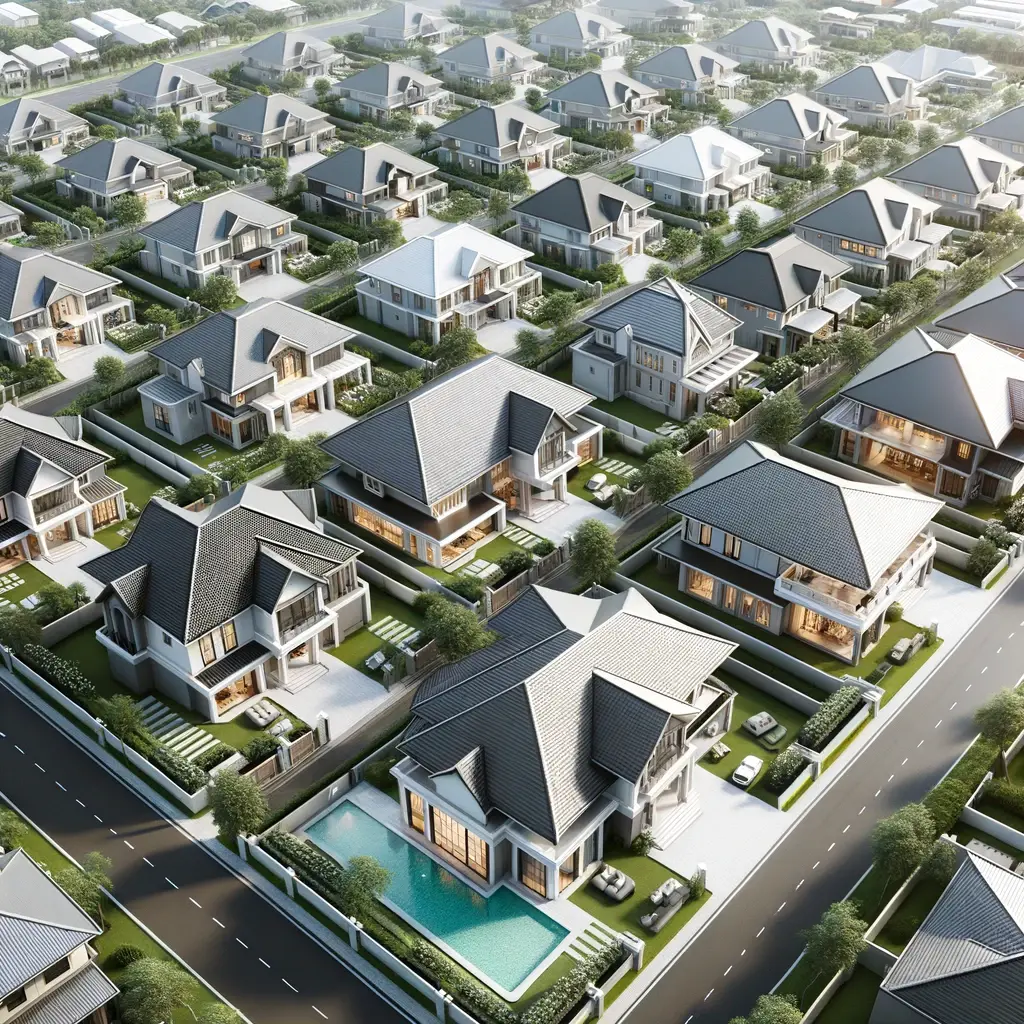
Securing standing seam panels to the roofing deck relies heavily on the attachment method used. Most commonly, industry professionals use either a nail strip or clip system. The nail strip approach involves attaching pre-punched strips of metal to the roof deck with nails.
Increased flexibility is offered by the clip system, where clips fasten to the roof deck and enable snapping in place of standing seam panels. This specific method allows for more room for expansion and contraction of metal panels under varying weather conditions, ensuring a durable and weathertight roof system.
Panel styles
Choosing the best panel style for your standing seam metal roofing can greatly enhance its aesthetic appeal and performance. Here are a few styles that you can consider:
- Snap-Lock: This type of panel features a design that allows one side to snap into place onto the other, creating a secure and weathertight seal.
- Mechanical Seam: The edges of these panels interlock, after which a roof seamer seals them together. This method creates an incredibly durable and weather-resistant seal.
- Batten Panel: These panel types offer a classic look with raised areas that mimic traditional wooden battens.
- Double Lock Seam: This is one of the most secure designs, where the panel edges are folded twice over each other for maximum weather resistance.
- Symmetrical Panels: These panels have identical sides and create a uniform look on your roof.
- Asymmetrical Panels: With different profiles on each side, these unique panels add an interesting style element to your roof’s appearance.
- Nail/Fastener Flange: Falling under the standing seam category, this style uses concealed fasteners for a sleek finish without visible screws or nails.
Installation approach
Choosing the right installation approach for standing seam sheets is critical for optimal performance and longevity. Consider these steps:
- Review your roofing structure: The existing structure should be compatible with metal panels. Heavier materials may require additional support.
- Opt for professional installation: Though DIY methods exist, a professional can ensure proper installation and alignment of the seams.
- Consider paneling: Standing seam metal roofs are typically installed vertically from eave to ridge, which requires precise placement.
- Follow guidelines: Official guides are available that detail the process of installing standing seam sheet metal roofing and flashing.
- Mind aesthetic preferences: With its distinctive look, you can choose from a variety of colors of standing seam sheets to complement your home style.
- Prepare for maintenance: Regular checks are necessary to ensure screws remain tight and flashings sealed against leaks.
- Address issues promptly: If problems like oil canning or loose seams arise, quick action on fixes maintains roof integrity.
Installation and Maintenance Tips
Opting for a professional installer generally yields better results than a DIY approach. Implementing correct installation techniques is critical to ensuring your metal roof’s longevity and performance.
Regular maintenance practices, such as clearing debris and checking fasteners, are necessary for prolonging the lifespan of your standing seam roofing panels. Be aware of common issues like oil canning or corrosion, and learn how to address them promptly for seamless usage.
Hiring a professional vs DIY
The decision of whether to hire a professional or attempt a DIY installation for standing seam metal roofing can significantly impact the project’s success, cost, and longevity. Here are the key factors that distinguish the two approaches:
| Hiring a Professional | DIY | |
|---|---|---|
| 1. Expertise | Professionals have the necessary skills, experience, and knowledge to correctly install the roof. | DIY installation requires gainful knowledge and skills, and it can be a steep learning curve for most homeowners. |
| 2. Efficiency | A professional can complete the job faster due to their expertise and access to the right tools. | DIY projects can take longer due to unfamiliarity with the process and potential errors. |
| 3. Cost | Hiring a professional involves service and labor costs, but it ensures a correctly installed and long-lasting roof. | A DIY project saves on labor costs but may end up costing more if mistakes occur and require professional repair. |
| 4. Future Maintenance | A correctly installed roof by a professional will require less future maintenance. | A DIY installation might mean more frequent maintenance and potential future costs. |
| 5. Warranty | Many professional installers offer warranties, ensuring the quality of their work and offering peace of mind. | DIY installations may not come with a warranty, leaving homeowners responsible for any future issues. |
It’s vital to weigh these factors carefully when choosing between a professional installer and a DIY project. While DIY might seem cost-effective, considering the complexity of standing seam metal roofing installation, hiring a professional installer is often the most prudent choice.
Proper installation techniques
Proper installation techniques are integral to the longevity and functionality of standing seam sheets. It all starts with ensuring that screws are fastened just right; they should be tightened enough to securely hold in place, but not so tight as to cause damage.
Standing seam metal roofs must never go over existing asphalt shingles, contrary to a common misconception. Following specific guidelines is compulsory for this type of installation – these can vary significantly depending on the brand or model of the roof panel at hand.
Consultation with manufacturers prior to kickstarting any work is essential; they will provide requirements and specifications tailored specifically for their product, helping you sidestep potential issues down the line!
Recommended maintenance practices
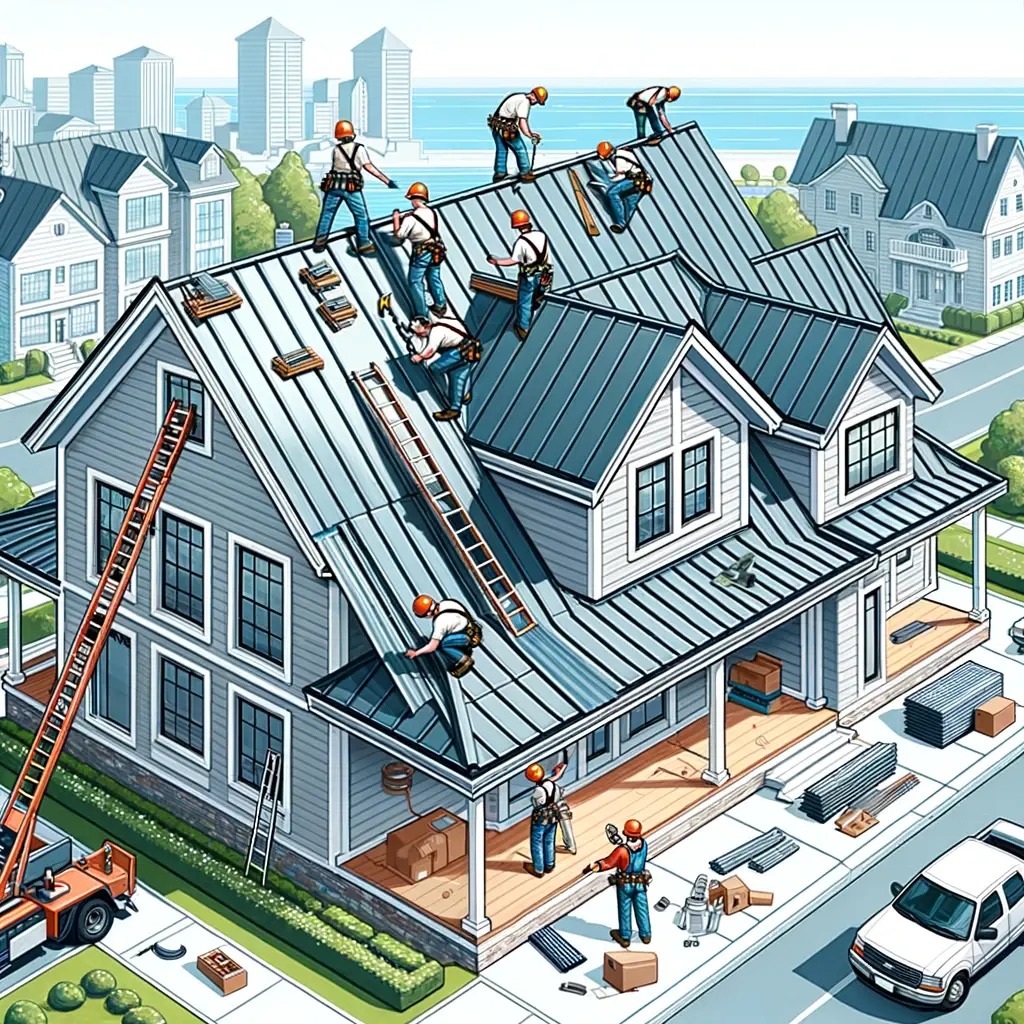
Keeping your standing seam metal roof in top condition requires regular upkeep. Here are some recommended maintenance practices:
- Schedule an annual roof inspection: This is crucial to detect and rectify any issues early on.
- Clean the roofs routinely: Regular cleaning helps maintain the roof’s durability and functionality.
- Check the gutter system: Ensure it functions correctly by doing this at least once a year.
- Monitor screw installation: Proper fastening of screws enhances the longevity and integrity of your metal roof.
- Uphold underlayment condition: Ensuring the integrity of asphalt and building paper is crucial for a standing seam metal roof installation.
- Follow best practices for roof penetrations and accessory installations: This step ensures your standing seam sheet functions effectively.
Common issues and how to address them
Standing seam sheets can encounter several common problems that require attention to maintain their durability and longevity.
- Failed Seam: This is one of the most widespread complications. The seams in your roof should remain tightly sealed, but over time they could fail due to poor installation, weathering, or rust. Addressing this issue involves re-sealing or replacing the affected panels.
- Oil Canning: Also referred to as stress wrinkling, oil canning is an issue where the panels warp slightly giving your roof a wavy appearance. While it does not affect the performance of your roof, it can be unsightly. Selecting thicker panels or those with additional structural elements during installation can help prevent oil canning.
- Availability: Depending on your location and supplier, the specific type of standing seam metal roofing you want might not always be readily available. Planning ahead and exploring different suppliers ensures you get what you need.
- Walking on Metal Roofs: Walking directly on a metal roof may cause damage to its integrity. Always contact a professional for any repair or maintenance work that needs to involve someone going on your roof.
- Faulty Fastener Systems: Incorrectly installed fasteners cause leaks and other issues with standing seam sheets. Proper installation techniques prevent these problems before they occur.
- Regular Inspection and Maintenance: To ensure a long-lasting standing seam metal roof, it’s crucial to conduct regular inspections and carry out necessary maintenance tasks promptly.
Conclusion
METZIP Standing seam sheets for metal roofing provide the perfect blend of durability, aesthetic appeal, and efficiency. They serve as a reliable investment for property owners, providing longevity with minimal maintenance.
Offering various customization options and benefits, this roofing solution is gaining popularity globally. The right selection ensures high performance and maximum satisfaction.


