The Benefits Of Aluminium Standing Seam Wall Cladding For Architectural Facades
Choosing the right material for your architectural facade can be a headache, especially with so many options available. One versatile solution that’s gaining popularity is aluminium standing seam wall cladding, known for its strength and durability.
This blog post will explore the numerous benefits of using such cladding for your projects, from its aesthetics to sustainability factors. Ready to discover why architects are raving about it?.
What is Aluminium Standing Seam Wall Cladding?

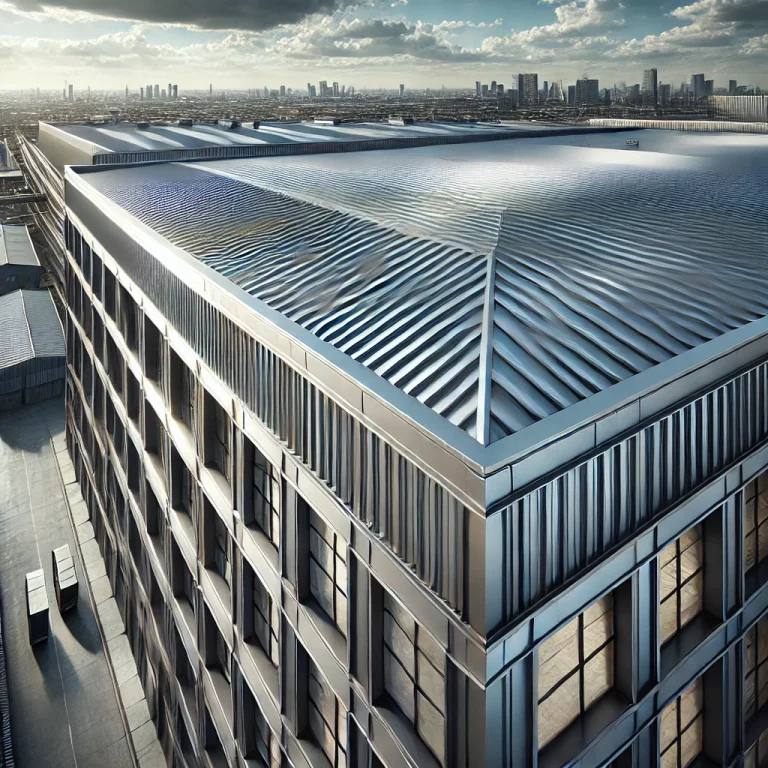
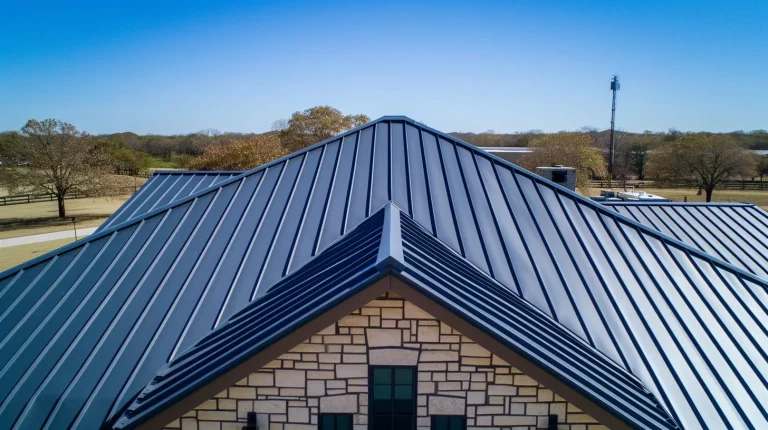
Aluminium Standing Seam Wall Cladding is a high-end, versatile architectural facade system that interlocks panels together to create a weathertight exterior. Distinguished by its concealed fastener design and solid aluminium alloy construction, it offers aesthetic appeal alongside robust durability.
Available in various colors, shapes and sizes, this cladding type can suit a range of residential or commercial applications. Its characteristic long panels offer improved weather resistance compared to other metal roofing systems, with their double lock standing seam ensuring proper ventilation while preventing water penetration.
Definition
Aluminium standing seam wall cladding refers to a facade system where aluminium panels are interlocked in a robust, folded pattern. This design is significant for its clean lines that lend an air of architectural drama and versatility.
Noted for the exceptional strength-to-weight ratio, aluminium panels prove less cumbersome than their steel counterparts, lending efficiency to building projects. Such cladding systems give buildings a cool interior environment due to the minimal heat absorption capacity of aluminium sheets.
BEMO standing seam profiles form part of this system offering maximum safety in building cladding applications.
Different types of standing seam panels

Standing seam panels come in a variety of styles catering to different architectural needs.
- Mechanically seamed panels: These are known for their additional strength and stiffness, especially when supported by C or Z purlins.
- Single Lock Standing Seam (SLSS) façade systems: Renowned for their versatility, these can be installed horizontally, vertically, or at an angle on various types of walls.
- Double Lock Standing Seam Panels: Providing a superior weathertight seal, these are favored for high-end commercial and residential applications due to their durability.
- Exposed Fastener Panel Systems: Popular due to their cost-effectiveness and ease of installation.
- Concealed Fastener Roofing Panels: Utilized not only for their seamless appearance but also for the inherent corrosion resistance they provide.
Benefits of Aluminium Standing Seam Wall Cladding

Aluminium standing seam wall cladding has many benefits, with strength and durability being at the forefront. This metal roofing system is sustainable, making it an excellent choice for eco-friendly architectural applications.
Its aesthetic appeal enhances the facade of both commercial and residential buildings while its versatility in design allows for a broad range of creative possibilities. From high-end homes to modern office buildings, aluminium standing seam wall cladding not only meets functional needs but also adds a distinct visual character to any structure.
Strength and durability
Aluminium standing seam wall cladding is a powerhouse in terms of strength and durability. The distinct folded connections between each panel enhance its robustness, allowing it to outlast various weather conditions.
Aluminium panels can seal out water, survive high winds, and shed snow effortlessly due to their excellent strength-to-weight ratio. Furthermore, these panels also possess an impressive resistance against corrosion – a factor that significantly boosts their longevity.
In essence, aluminium standing seam roof systems are reliable shields protecting buildings from external elements while maintaining their aesthetic appeal.
Sustainability

Aluminium standing seam wall cladding provides a sustainable building solution that helps contribute to LEED certification. This metal roofing option uses materials like aluminum and zinc, which are naturally durable and rust-resistant.
The incredible strength of these materials means less need for replacement, resulting in fewer resources used over time. Furthermore, aluminium standing seam roofs provide resistance against fire, hail, and water damage – ensuring longevity and decreased maintenance costs.
Highly resistant to harsh weather conditions including UV rays, this architectural application does not require frequent repainting or suffer from rotting issues commonly found with other materials making it a popular choice in both commercial and residential applications.
Energy efficiency is another hidden gem of aluminium standing seam systems; they reflect sunlight rather than absorb heat offering cooler indoor temperatures during hot seasons hence reducing energy consumption – an essential factor in green construction practices.
Aesthetically pleasing
Aluminium standing seam wall cladding brings an aesthetically pleasing dimension to architectural facades. The seamless design and the aluminium’s sleek finish produce a modern, sophisticated look that can elevate any structure’s visual appeal.
This type of metal cladding offers multiple panel height options, giving architects the flexibility to create unique designs tailored to each project.
The aesthetics of a commercial building is often viewed as a reflection of the business itself and its values. Aluminium cladding does more than just protect; it adds elegance and depth to any facade with its shiny, smooth surface that catches light beautifully.
Perfect for both residential applications and high-end commercial buildings, this material gives every property owner the advantage in exuding style without sacrificing functionality or durability.
Versatility in design

Aluminium standing seam wall cladding offers unmatched versatility in design. This dynamic system doesn’t limit architects and designers to standard patterns or textures, opening up a world of possibilities for creative interpretation.
Its flexible nature enables mimicry of various wall cladding styles, incorporating shadows, seams, steps or recesses between boards. Seam metal cladding facilitates the achievement of seamless roof-to-wall details and modern concealed gutters.
Furthermore, single lock standing seam (SLSS), a standout amongst facade systems due to its ability to be installed horizontally, vertically or at an angle without compromising the integrity or aesthetics of the build.
This adaptability extends to include elements like architectural zinc facade and wall cladding systems that maximize daylighting and passive solar shading benefits while maintaining high standards in design appeal.
Installation and Maintenance
Installing aluminium standing seam wall cladding is a straightforward process, but it requires professional expertise to ensure longevity and performance. Dive into the intricate details of this process, learn about routine maintenance tips and discover why this durable system turns out to be cost-effective in the long run.
Keep reading to explore more!
Installation process

Installing aluminium standing seam wall cladding involves a methodical process. Here are the steps involved:
- To start, you’ll need to measure the area of installation accurately and order an appropriate amount of materials.
- Then, prepare the surface by removing any old roofing materials or rough spots.
- Next, layout and assemble the panels on the ground before installing them on the wall.
- After that, fasten each panel to the wall using concealed fastener systems to ensure a seamless look.
- The edges between each panel are folded and crimped together by experienced installers to form a sturdy and aesthetic seam.
- Finally, finish off with touch – ups and an inspection for any areas that may need extra securing or adjustment.
Maintenance requirements
Maintaining aluminium standing seam wall cladding is essential to preserve its aesthetics and function over time. Here are the necessary steps for upkeep:
- Regular Inspections: Check for any signs of leaking, denting, and corrosion. Address these issues immediately to avoid further damage.
- Periodic Cleaning: Keep the surface clean to maintain its visual appearance and prolong its lifespan.
- Sealing Edges: Ensure that the edges between panels are properly folded and crimped. This process helps in preventing water penetration and maintaining a weather-tight system.
- Follow Manufacturer Guidelines: Always adhere to the care instructions provided by the manufacturer for optimal results.
- Long Term Maintenance: Despite its durability, regular maintenance is needed albeit minimal compared to other materials.
- Engage Professionals: For tasks beyond basic cleaning, it is wise to hire trained professionals for proper upkeep.
Cost-effectiveness

Aluminium standing seam wall cladding embodies cost-effectiveness, particularly from an installation and maintenance perspective. This type of metal cladding system plays a crucial role in reducing utility bills for homeowners, reflecting effective cost management.
The ease of installing insulated metal roof and wall panels contributes to savings on material and labor charges, thus enhancing affordability. With its impressive longevity and minimal need for upkeep, standing seam metal roofing represents a truly compelling long-term investment.
Furthermore, the high residual value of aluminium combined with negligible maintenance requirements positions it as an economical choice throughout a building’s lifespan.
Conclusion
Aluminium standing seam wall cladding delivers an extraordinary blend of strength, sustainability, and visual appeal. Exhibiting excellent resistance to extreme weather conditions, it doubles up as a cost-effective solution for architectural facades.
Besides adding aesthetic value, this innovative cladding system also boosts the structure’s durability while requiring minimal maintenance. Therefore, incorporating aluminium standing seam wall cladding can significantly transform your architectural designs with a touch of resilience and style.