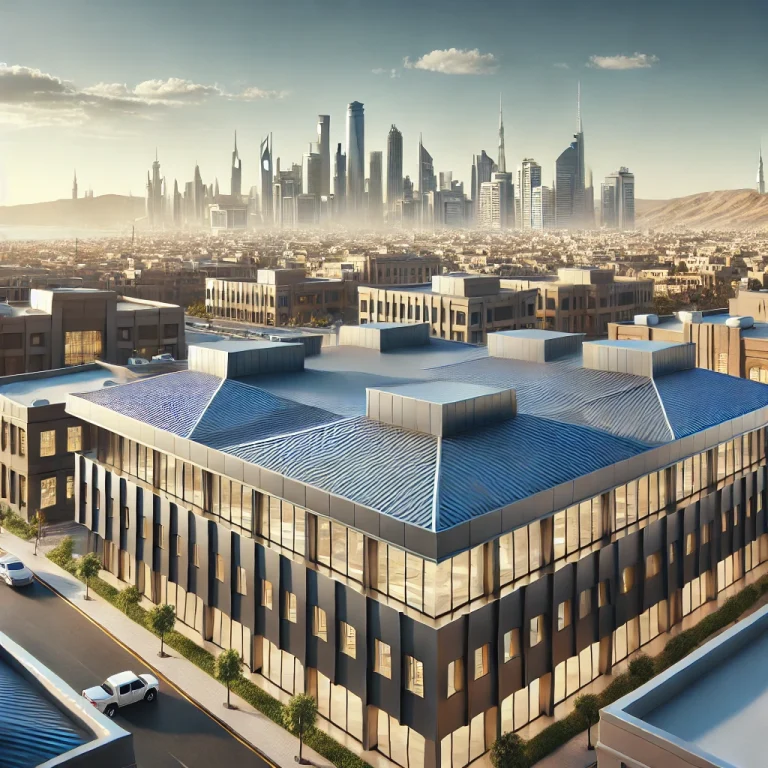
The Benefits Of Installing A Standing Seam Wall System

Is your home or commercial building in need of a fresh, modern look that also promises durability? Consider the underrated magic of a standing seam wall system. This high-performing element not only boosts curb appeal but also offers impressive longevity – up to 40 years when properly installed! Through this blog post, we’ll guide you on why choosing a standing seam wall system could be your key to an aesthetic upgrade and long-lasting protection for your property.
Get ready for something special; let’s discover the benefits together!
What is a Standing Seam Wall System?

A standing seam wall system refers to a type of cladding, often comprised of metal panels that are installed either vertically or horizontally and interlock to create a robust aesthetic facade.
These panels come in varied shapes, profiles, and finishes, catering to diverse architectural preferences. The name “standing seam” stems from the prominent raised interlocking seam where two panel edges meet, providing enhanced durability and an elegant modern look.
Whether used for roofing or siding, this system is an excellent choice for residential renovations due to its sturdy construction and sleek appeal.
Definition and construction
A standing seam wall system is a clever design of metal panels featuring vertical legs and a broad flat section between them. The cunning method in its creation lies in the folding and crimping of panel edges, giving birth to an iconic vertical seam while simultaneously hiding unsightly fasteners.
This concealed feature injects into the structure an elevated aesthetic appeal that does not compromise on durability or performance. Used prevalently across commercial, agricultural, and residential buildings alike, this reliable construction ensures that your edifice stands tall against time’s test with considerable grace.
Types of standing seam panels

Standing seam wall systems come in a variety of types that cater to different architectural and functional needs. Here are the key varieties:
- Residential or Architectural Panels: An excellent choice for residences, these panels are long-lasting and offer the aesthetic appeal of modern, sleek lines. Contractors often install these horizontally on walls to add elegance and curb appeal.
- Commercial or Structural Panels: Ideal for larger commercial buildings, they provide enhanced durability with concealed fasteners, which ensures a clean facade system.
- Double Lock Seam Panels: These panels interlock twice for secure installation and high-quality performance. They can also accommodate thermal movement, reducing the risk of damage over time.
- Single Lock Standing Seam Panels: While similar to double lock seam panels, single lock versions only require one clip at the seam – making them easier to install.
- Snap Lock Panels: These panels snap together easily without needing special tools – an attribute that many builders find appealing as it speeds up the installation process.
- Nail Strip Panel Systems: Fastened directly onto roof decks using a nail strip, these systems offer an alternative method of installation for vertical applications on roofs and walls alike.
Advantages of a Standing Seam Wall System

Standing seam wall systems offer high performance, providing robust and secure structures. They’re easy to install, making them an excellent choice for many builders. Their durability ensures a long-lasting facade system that can withstand various weather conditions.
With their sleek design and modern look, standing seam panels enhance the aesthetic appeal of any building structure.
High performance
Standing seam wall systems are renowned for their superior performance characteristics. They can handle nearly any weather condition, thanks to one of the highest wind uplift resistance ratings in the industry.
These panels offer excellent thermal movement capabilities, contributing to energy efficiency and comfort within a building. Notably, Fabral’s standing seam systems provide robust solutions not just for walls but roofs and fascias as well – truly living up to their reputation as the ‘gold standard’ of metal roofing panels.
The combination of durability, resilience and versatility make standing seam roofs an optimal choice for high-performance building envelope applications.
Easy installation

The standing seam metal roofing system boasts an easy installation process that requires no clips or visible fasteners, known as a snap-together design. This strategic feature not only facilitates speedy assembly but also usher in significant savings on time and labor costs.
Its seamless integration into new construction projects or roof replacement initiatives makes it a popular choice among homeowners and building owners alike. Plus, the simple installation steps minimize disruptions during the setup phase – an appreciated convenience for both contractors and occupants.
With this user-friendly approach, there’s a reduced risk of installation errors ensuring your resulting structure is robust, durable, and aesthetically pleasing to stand the test of time.
Durability
Standing seam wall systems offer immense durability, making them an excellent choice for many builders. These high-quality metal panels can withstand harsh weather conditions and have a lifespan of up to 30-40 years when installed correctly.
They are not only long-lasting but also require minimal maintenance compared to other roofing materials.
The key factor contributing to their durability is the concealed fastener system. This unique feature ensures thermal movement, allowing expansion and contraction without damaging the structure or weakening the functionality of the building envelope.
Furthermore, standing seam wall systems provide weather-tightness, giving you a watertight and secure facade system throughout its lifecycle.
Aesthetically pleasing

A standing seam wall system brings both beauty and elegance to any residential property. With concealed fasteners adding to its sleek appearance, homeowners can enjoy an exterior free of visible screw heads disrupting the smooth facade.
The color variety available also offers a golden opportunity for customization, letting individuals create striking curb appeal tailored to their unique preferences. Long-lasting and durable, these metal panels perfectly blend aesthetic allure with robust functionality – making them an excellent choice for anyone keen on infusing modern look into their homes without compromising structural integrity.
Factors to Consider when Choosing a Standing Seam Wall System
When selecting a standing seam wall system, it’s vital to examine factors like the type of building, panel shape and profile, color finishes, and substrate options. We’ll delve into these considerations further in our detailed guide on standing seam wall systems selection.
Type of building
Standing seam wall systems shine in versatility, finding application in various types of buildings. Commercial structures often have unique requirements that these systems meet with grace.
High-rise office towers benefit from the long-lasting durability and sleek facade system. For residential buildings, the choice to install a standing seam system usually hinges on both its aesthetic appeal and performance features.
Symmetrical standing seam systems could carry a slightly higher price tag due to their added value, but provide exceptional curb appeal for homes. In locations notorious for harsh weather conditions such as Dubai or UAE, these panels excel owing to their ability to withstand extreme thermal movement.
Industrial facilities also favor this kind of roof and wall cladding because taller seams can impart increased structural stability to a building’s roofing architecture.
Panel shape and profile

Choosing the right panel shape and profile is a critical step in selecting a standing seam wall system. Consider these factors:
- Panel profiles refer to the shape and how two or more panels intersect in standing seam systems.
- An optimal profile offers a unique vertical leg, producing a pleasant shadow effect and an illusion of a flat pan in-between.
- Pay attention to the type of panel profiles; they matter when it comes to creating an aesthetic appeal for your building.
- Choose among various shapes offered; some panels may have rounded edges, others may be straight, adding different dimensions to your structure’s overall appearance.
- Panels with concealed fastener systems provide superior durability as the fasteners do not penetrate the face of the panel during installation, making them invisible.
- Visible fasteners have higher chances of becoming loose over time, leading to potential damage; therefore, concealed fastener systems are preferred for longevity.
- The right combination of panel shape and profile gives you excellent curb appeal while ensuring high performance from your standing seam wall system.
- Regular inspections are essential for maintaining the longevity of your panels regardless of their shape or profile.
- Despite its superiority over other panel options like R – panel, standing seam systems require expert installation for maximal benefits and durability.
Color and finish options
The color and finish of your standing seam wall system play pivotal roles in enhancing the overall aesthetics of your building and its curb appeal.
- Silver hues are a widely embraced choice for standing seam metal roofing due to their modern look and elegance.
- With over 100 color options available, standing seam metal roofing panels provide a broad spectrum for personalization.
- Picking the apt color is a strategic decision – it’s about balancing desired aesthetics, environmental factors, and architectural style.
- The environment plays a key role in deciding the finish; some coatings work best in specific climates.
- Zinc clad panels offer an interesting feature – they evolve over time, turning into an eye-catching green that adds a unique touch to the facade system.
- Beyond aesthetics, the right color and finish also contribute to durability, making your investment long-lasting.
Substrate and coating options

Exploring the substrate and coating options for a Standing Seam Wall System can greatly influence the final product’s durability and weather resistance.
- Aluminum, a commonly used substrate material, provides excellent corrosion resistance.
- Steel, another popular option, offers superb strength but may require additional coatings to prevent rusting.
- Zinc – coated alloy combines the corrosion resistance of aluminum with the strength of steel, making it an ideal choice for many builders.
- Copper substrates offer superior longevity but tend to be more expensive than other options.
- Kynar 500 and R/PVDF coatings enhance weather resistance while providing vibrant color retention.
- Other available options include epoxy primer and acrylic top coats which protect against UV damage while ensuring aesthetics aren’t compromised.
- Powder coatings can be used for added durability and low maintenance properties.
- The right combination of substrate and coating can lead to a high – performing system resistant to thermal movement, expansion, contraction and fire.
How to Install a Standing Seam Wall System

Start by preparing the wall to ensure a smooth surface. Next, install the necessary substructural components like clips and flashings. The installation of panels follows – this involves placing them in the correct position and securing them with concealed fasteners.
Finally, add any finishing touches needed, such as trim or sealant to provide a sleek and durable finish.
Preparing the wall
To ensure a successful installation sequence of the standing seam metal roofing system, preparing the wall is crucial. Here are the steps involved in preparing the wall:
- Start by folding and crimping the edges between the panels of the standing seam metal roofing system. This initial step creates a secure and tight fitting for your wall system.
- Next, focus on ongoing maintenance. The good news is that this process requires minimal upkeep while providing extreme durability for your wall.
- Make sure your wall becomes weather-tight. Proper preparation offers long-lasting protection for homes against harsh weather conditions.
- Enhance curb appeal with your choice of color and finish, adding character to your property.
- Add fire resistance to the list of benefits when you properly prepare your wall, making it a safer choice for residential construction.
- Last but not least, an increase in energy efficiency is another advantage of thorough preparation, contributing to lower utility bills over time.
Installing substructural components

Installing substructural components in a standing seam wall system is a critical phase of the installation process. It provides support to the panel systems and contributes to the overall durability of your wall structure. Here’s a step-by-step guide:
- First, measure and mark the locations where the sub-structure will be placed.
- Once all measurements are accurate, clip off any excess roofing materials according to your marked areas.
- Now it’s time to attach thermal movement control elements, if needed, using concealed fasteners for optimal performance.
- Afterward, place an interlock strip on top of each line you’ve marked for panel placement.
- Use a high – quality screw or nail as a fastener at every marked point on your interlock strip.
- Regularly check for alignment and levelness while installing these strips across your wall or roof deck.
- Proper spacing between each strip is crucial as this space will accommodate longer panels.
- Lastly, secure each strip tightly into place before moving onto panel installation.
Placing and securing panels
Attaching the standing seam panels correctly is a vital step in the installation process. Here’s how it’s usually done:
- Start by positioning your first metal panel on the lower corner of the wall, ensuring that it aligns with your baseline.
- Use clamps to hold the panel securely in place while you adjust its position.
- Insert concealed fasteners into the pre-drilled holes in each panel – this is where our first important fact comes into play: standing seam metal roofing panels are attached with concealed fasteners.
- Fasten these clips to the vertical legs of each panel as mentioned in important fact number three, allowing for both secure attachment and thermal movement.
- Once fixed, repeat this process moving up and along the wall until all panels have been installed.
- Pay close attention to interlocking each new panel with its neighbor – remember our fourth important fact? The folded and crimped edgesbetween panels create their defining feature, those vertical seams.
Adding finishing touches

Completing the installation of a standing seam wall system involves adding the finishing touches. Here are some steps:
- Start by installing the trim and flashings. These parts add to the aesthetic appeal while enhancing the durability of your wall system.
- Secure the ridge caps next. They work as seals, closing off the top edges of your roof and giving it a finished look.
- Apply sealant to any open seams to prevent air or water leakage.
- Check every panel for proper alignment and secure them with hidden clips and fasteners.
- Inspect concealed fastener locations for mistakes in screw placement to ensure no part gets damaged.
- Do an overall review of your standing seam wall system, examining all areas for any potential issues that might require correction.
Conclusion
Choosing a standing seam wall system opens up a world of advantages, from durability to aesthetic appeal. This system offers weather protectionand low maintenance, making it an excellent choice for both residential and commercial buildings.
With added benefits like energy efficiency and the potential to boost property value, installing a standing seam wall system proves itself as an investment that pays off in many ways.
It’s not just about building with quality – it’s about creating structures that last long while maintaining their beauty over time.