Benefits And Installation Guide For Standing Seam Aluminium Cladding

Are you looking for a roof that is durable yet appealing? Standing Seam Aluminium Cladding might be the solution. Known for its strength, weather resistance and aesthetic charm, this cladding system promises functionality with style.
In this blog post, we will explore the benefits of standing seam aluminium cladding and guide you step-by-step on how to install it in your home or building project. So, let’s dive into the world of seamless roofing!
What is Standing Seam Aluminium Cladding?

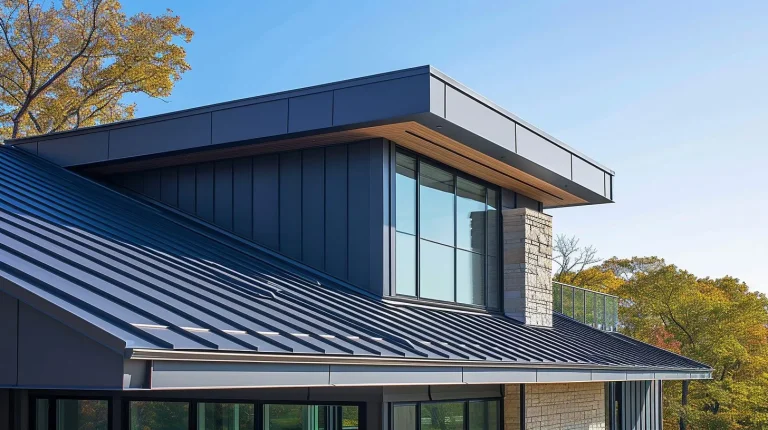
Standing Seam Aluminium Cladding is an architectural exterior covering method that uses vertical aluminum panels interlocked by raised seams to protect and enhance the appearance of a structure.
This type of cladding system comes in various forms such as Insulated Metal Panels (IMP), curved systems, concealed fastener and exposed fastener panel systems. It’s primarily applied on roofs but can also be used on walls for its aesthetic appeal and durability.
Overview of the product
Standing Seam Aluminium Cladding, a cutting-edge product in the architectural world, is redefining the landscape of modern construction. It’s a high-performance cladding system that uses vertical standing seam panels made from robust aluminium.
This form of cladding is characterized by its distinct vertical lines and concealed fastenings, making it an appealing choice for both architects and builders alike. Built to withstand harsh weather conditions, these sleek panels offer exceptional strength and durability while remaining lightweight for easy installation.
Thanks to modern aluminum alloys’ capabilities, they comfortably support the weight of these panels without compromising on structural integrity or aesthetic appeal.
Types of standing seam systems (IMP, curved, exposed fastener, concealed fastener)

Standing seam aluminium cladding comes in various systems, each with unique characteristics. Here are the four main types:
- Interlocking Metal Panel (IMP) Standing Seam System: This system uses interlocking metal panels that form a reliable watertight seal, ideal for standing seam facades and other applications.
- Curved Standing Seam System: These systems cater specifically to roofs with curves or arches. They add a wonderful aesthetic touch while providing all the robustness of metal cladding systems.
- Exposed Fastener Standing Seam System: Unlike concealed models, this one has visible fasteners on the panel surface. Its visibility does not compromise its efficiency; it continues to provide excellent weather resistance and durability.
- Concealed Fastener Standing Seam Systems: This type hides its fasteners beneath the panel surface, resulting in a clean, seamless facade or roof surface that complements any architectural design style.
Applications of standing seam cladding
Standing seam cladding is used for diverse applications in both residential and commercial settings. The most predominant use is as a roofing material due to its superior weather-resistant properties, durability, and ability to withstand high winds.
This makes standing seam an ideal choice for regions exposed to harsh weather conditions. It’s not restricted to roofing; the sleek aesthetics of standing seam panels make it a favorite choice for facade installations too.
Architects utilize this versatile system in creating striking building exteriors that add a modern touch. Beyond roofs and facades, you can find these panels making stunning interior walls or accent pieces within structures – truly proving their versatility in design applications.
Benefits of Standing Seam Aluminium Cladding

This cladding system brings an array of benefits to any structure. A key advantage is its strength and durability, as aluminium withstands harsh weather conditions while resisting corrosion and rust.
The aesthetic appeal enhances the overall look of a building, with options for various colors and finishes that can match any architectural style. Its design versatility allows for customized shapes and sizes tailored to unique project requirements.
As strong protection against the elements, it offers outstanding weather resistance – suitable even for extreme climatic regions. More than just being visually appealing, standing seam aluminium cladding is energy efficient too – acting as a thermal barrier that reduces heat gain or loss, leading to lower utility costs over time.
Strength and durability
Standing seam aluminium cladding boasts incredible strength and durability. This standout feature comes from the robust properties of its main component – aluminium, known for withstanding harsh weather conditions without compromising structural integrity.
Fire-resistant and requiring minimal maintenance, it becomes a reliable choice for any architectural project. Outperforming other cladding materials in longevity, this type of metal cladding also contributes to boosting a property’s value thanks to its lasting quality.
In essence, whether you are aiming to clad residential or commercial buildings, opting for standing seam aluminium cladding will ensure your structure stands strong and durable over time.
Aesthetic appeal

Standing seam aluminium cladding elevates the visual appeal of any structure. The hidden screws in standing seam systems contribute to a sleek, seamless finish that enhances curb appeal and offers a contemporary look.
This type of metal roofing is not just functional, but also doubles as an architectural feature.
Aesthetics go hand-in-hand with resilience when it comes to standing seam facades. Despite their sleek appearance, these panels are immune to issues like mold and rot often associated with wood cladding.
Plus, the resistance to rusting and blistering only amplifies their aesthetic longevity, making them suitable for stylish residential applications or high-end commercial projects alike.
Versatility in design
Standing seam aluminium cladding breaks the mold when it comes to design versatility. Its unique design characteristics allow architects and builders to push boundaries, creating eye-catching aesthetic appeal suited for both residential and commercial buildings.
This type of cladding can be used with various types of metal such as aluminum, steel, titanium and more which simplifies achieving an array of looks from rustic to ultra-modern. Not only does this flexibility cater to various tastes but also meets diverse performance requirements marking a significant advantage in construction projects.
More than just practicality, standing seam systems offer creativity – a key attribute that affirms their position as leaders in modern architectural trends.
Weather resistance

In standing seam aluminium cladding, weather resistance is always a key benefit. This type of cladding has an innate ability to resist different weather conditions. Rain or shine, it maintains its impressive durability.
Hail storms and high wind speeds don’t pose threats as these panels can withstand intense impact without denting or warping out of shape. Solar reflectance is another powerful feature offered by the cool metal roof system employed in most standing seam panels.
The scorching summer heat doesn’t stand a chance! Heat absorption decreases, keeping indoor environments cooler during hot seasons. Rust and blister-resistant features make this type of cladding an ideal choice for areas prone to harsh climatic conditions; they withstand corrosive elements easily and provide long-lasting protection against corrosion.
Therefore, regardless of the prevailing climate, count on standing seam aluminium cladding for consistent performance year-round.
Energy efficiency

Standing seam aluminium cladding boosts energy efficiency in various ways. Firstly, its coating with a PVDF paint system that contains cool pigments helps lower cooling demands by reflecting sunlight instead of absorbing it.
This means less strain on air conditioning systems and significant energy savings over time. Metal roofs also combat the urban heat island effect, where city areas become significantly warmer than surrounding rural zones due to human activities and extensive hard surfaces.
By lowering surface temperatures and decreasing the need for excessive air conditioning usage, standing seam aluminium cladding caters to both homeowners’ wallets and environmental sustainability efforts.
Installation Guide for Standing Seam Aluminium Cladding
Starting with pre-installation considerations, our guide walks you through the tools and materials needed for installing standing seam aluminium cladding. We delve into different attachment methods, ensuring seamless panel installation and offer tips to add those finishing touches that make all the difference.
Pre-installation considerations

Planning ahead is critical before embarking on standing seam aluminium cladding installation. Firstly, an understanding that this type of cladding couldn’t function as standalone or raised system goes a long way in helping with the design process.
Special attention must be given to roofing structures, specifically if it’s tapered or curved standing seam roofs, given their special installation guidelines.
In addition to the roof structure, the chosen paneling plays a significant role in determining functionality and aesthetics alike. Prior consultation with experienced cladding builders can provide insightful advice for best results and warranty considerations.
Lastly, ensuring safety measures are in place during installation cannot be neglected; taking certain steps like securing harnesses prevents falls and guarantees a smooth process from start to finish.
Tools and materials needed

Installing standing seam aluminium cladding takes both precision and the right tools. Here’s a rundown of what you’ll need:
- Sheet Metal: Start with zinc-aluminum alloy coated sheet steel, as it provides durability and protection.
- Panels: Choose panels specifically designed for standing seam roofing systems. They require fewer accessories, making installation more straightforward.
- Seaming Tool: This is essential for joining the panels of your standing seam system securely together.
- Clamps: You’ll use these to secure fasteners and clips to the roof’s substructure.
- Screw Gun: Fasten screws effectively into the seams of your cladding with this tool.
- Tape Measure: To ensure accurate measurements, you need a reliable tape measure.
- Utility Knife/Cutting Shears: These are necessary for trimming and fitting your cladding panels precisely.
- Gloves and Safety Goggles: Safety should always be a priority during installation.
Attachment methods

Choosing the correct attachment method for installing standing seam aluminium cladding is a crucial step in the process. These methods ensure maximum durability and optimal results:
- Mechanical Seams: This method involves folding the seams together mechanically using a seaming tool. It secures the panel tightly to the roof structure, making it suitable for areas with high winds or extreme weather conditions.
- Snap Lock: As the name suggests, this kind of system snaps into place easily, significantly decreasing installation time. This efficient attachment method provides a secure and seamless finish.
- Concealed Fasteners: Standing seam panels use this system, hiding all screws and bolts away from view. It enhances aesthetics while also reducing potential points of water leakage.
- Seam Clamps: Used primarily on metal roofs, these clamps help in securing solar panel installations or other rooftop additions without piercing through the roofing material.
Panel installation process
The panel installation process of standing seam aluminium cladding includes several intricate steps that require meticulous attention and labor.
- First, measurements are taken to ensure the correct fit for the panels.
- Next, panels are crafted in various sizes based on these measurements.
- Once ready, these individual panels are carefully aligned on the structure’s surface with precision.
- Following this, either a fixed or sliding method is used for attachment, depending on the specific system being installed.
- Installers then secure the panels using concealed clips to allow for thermal expansion and contraction.
- The final step involves crimping or folding the seams together to form a tight seal against water penetration.
Finishing touches
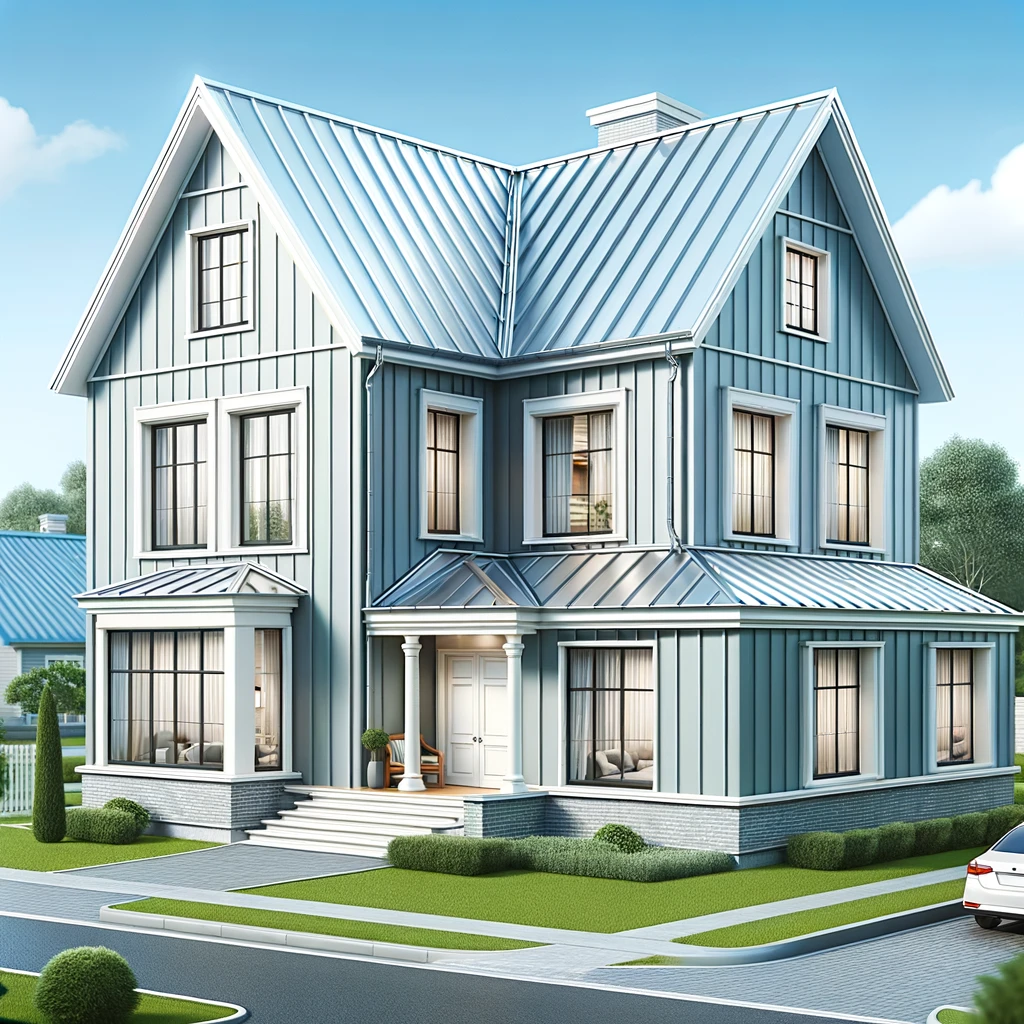
After installing the panels, the final steps include sealing the seams and adding trim to cover any exposed edges. This process ensures your cladding remains secure against various weather conditions while enhancing its aesthetic appeal.
Sealant application prevents water penetration that could lead to structural damage over time. Trim is applied at corners and roof peaks for a polished look, converting raw metal edges into seamless junctions.
This careful attention to detail in finishing techniques significantly improves both performance and appearance of standing seam aluminium cladding.
Conclusion
Choosing standing seam aluminium cladding provides a durable, aesthetically pleasing, and weather-resistant solution for both residential and commercial properties. Its installation requires careful planning and precision to harness these benefits fully.
With the right tools, materials, professionals at your disposal, achieving an excellent finish is entirely possible. The longevity and low maintenance required by this roofing system is indeed worth every penny invested in it.