Understanding Standing Seam Section Installation and Maintenance 2025

Struggling with a leaky or outdated roof? Standing seam metal roofing is the game-changer in the world of durable, long-lasting coverings. This post will guide you through installation tips and maintenance must-knows to protect your investment.
Dive in for a worry-free shelter! Read on to learn more about the Standing Seam Section.
Understanding Standing Seam Metal Roofing

Dive into the realm of standing seam metal roofing, where durability meets cutting-edge design. This innovative approach to rooftops is transforming how we think about protection and aesthetic appeal in modern architecture—unravel its components, from the sleek panels down to high-grade materials that redefine what it means to have a roof over your head.
What is Standing Seam Metal Roofing?
Standing seam metal roofing is a type of roof made with long, sturdy panels that run from the edge of the roof up to the top. These panels have raised edges, or seams, that stand up tall.
The seams lock together, hiding the screws and keeping water out. This kind of roof is different because it has these hidden fasteners which make for a smooth look and help protect against leaks.
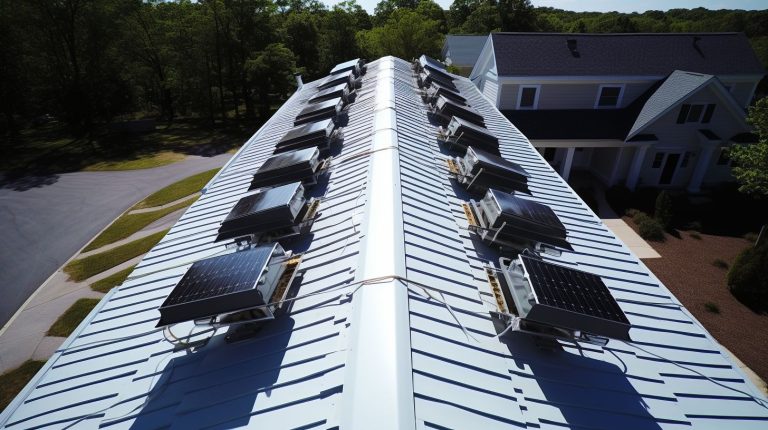
People choose standing seam metal roofs for many reasons. They are strong and can handle all kinds of weather—rain, snow, wind. Also, they’re great if you want to add things like solar panels later on without drilling new holes in your roof.
Now let’s talk about the types of standing seam panels and what they’re made from.
Types of Standing Seam Panels
There are different kinds of standing seam metal roofing. Each kind works well for various building styles. Here’s a closer look at these panel types:
- Trapezoidal Panels: These have tall ribs that look like trapezoids when you see them from the side. They are strong and often used on commercial buildings with flat roofs.
- Vertical Leg Panels: This design features one leg taller than the other, making it non-symmetrical. They snap together easily, which can be done by hand without special tools.
- T Panel Systems: T panels come in two styles: symmetrical and non-symmetrical. The symmetrical ones let you remove individual panels without taking apart the whole roof, which is handy if you need to fix something.
- Snap-Together Panels: Snap-together standing seam panels don’t need special machines to join them. You can just push them together until they ‘click’, making installation quicker.
- Mechanically Seamed Panels: These require a seamer tool for installation. The tool bends and locks the edges of panels together to make sure no water gets through.

Material Options
Standing seam metal roofing is not just about the shape of the panels, but also what they are made out of. The material you choose can make a big difference in how your roof performs and lasts over time.
- Galvanized Steel: This is steel coated with zinc to stop rusting. It’s tough and often used where the weather can be mean.
- Aluminum Alloys: Light and strong, aluminum resists corrosion. It suits places near the ocean where salt is in the air.
- Stainless Steel: If you want super strength and no rust ever, stainless steel is your friend. It has chromium, which makes it resistant to corrosion.
- Zinc: Zinc makes its own protective layer called patina, which guards against weather damage.
- Copper: A real beauty that changes color over time. Copper doesn’t rust and can last very long without much care.
- Recyclable Metals: Some standing seam roofs use metals that you can recycle. They’re good for people who care about the earth.
Advantages of Standing Seam Metal Roofing

Standing Seam Metal Roofing stands out in the roofing landscape, offering a suite of benefits that go far beyond traditional shingles. It’s not just about its sleek appearance; this type of roofing material brings forth a level of durability and energy efficiency that homeowners and commercial builders alike find compelling.
Concealed Fasteners
Concealed fasteners keep a metal roof smooth and safe. They hide under the panels, so you don’t see screws or nails poking out. This makes sure water can’t leak through holes where fasteners would normally be.
Roofs that use these hidden clips last longer and look better.
With concealed fasteners, roofs also stay strong against wind because there’s nothing on top to catch the breeze. This design is smart for keeping your roof in great shape for years without needing lots of fixes.
It’s like secret armor for your home!
Expansion/Contraction Ability
Just like the hidden screws that keep a roof safe and smooth, another key feature of standing seam metal roofing is how well it moves with the heat and cold. These roofs are smart—they can stretch or shrink when the weather changes.
This is great because it means they won’t crack or leak so easily.
This stretchy quality comes from the way metal panels are made to slide over clips secured to the roof deck. Imagine a dance where one partner glides smoothly without stepping on toes—that’s what happens here! Hot summers or frosty winters, this roof handles it all by moving just enough to stay strong and watertight for years.
Aesthetics
Standing seam metal roofing’s ability to handle temperature changes is impressive, and its beauty adds even more value. This kind of roof looks smooth and modern because it hides screws and bolts.
People love how it has clean lines and comes in many colors to fit the look of any building or house.
It’s not just about keeping rain out; a standing seam roof can really make a place look better. Many folks who care about style choose these roofs for their houses or buildings. They like that they can pick a color that matches well and makes everything look great from the street.
Energy Efficiency
Metal roofs with standing seams are not just tough; they’re also great for saving energy. They come with special cool metal roofing coil that reflects sunbeams. This means less heat gets into the building, keeping it cooler without using as much air conditioning.
Saving energy like this is good for your wallet and the earth.
These roofs have another neat trick: their color and material throw off heat instead of holding onto it. So, even when the sun goes down, they help keep things cool inside. Now, let’s talk about how to put these smart roofs in place!
Installation of Standing Seam Metal Roofing
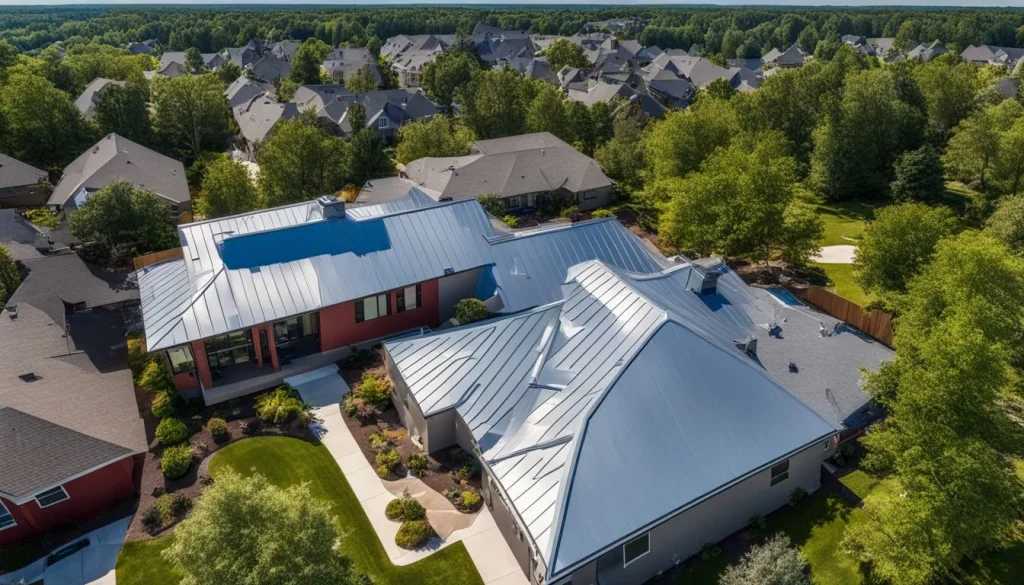
The meticulous process of installing standing seam metal roofing is what sets it apart for its durability and weatherproof qualities. Engaging a team of seasoned professionals ensures that each panel is precisely rollformed, measured, and affixed with a level of expertise that guarantees peak performance over time—making the transition from standard to standout roofs seamless and effective.
Installation Approach
Installing standing seam metal roofing takes skill and care. Workers use special tools to join the panels tightly together on the roof. This leaves no screws showing, which helps stop water from getting in. Standing Seam Section .
They can pick between snapped or mechanically seamed panels. Snapped ones just click into place, while mechanically seamed ones need a machine to fold and lock them.
Sometimes people make these metal sheets right at the building site, using a process called rollforming. This makes sure each panel fits perfectly on the roof. They can also curve these sheets to match special roof shapes without having to move big, curved pieces over long roads to get there.
Two ways to stick the panels down are using clips or going clipless; both methods work well but depend on what’s best for that particular job.
On-Site Panel Production
Making standing seam panels right where they will be used is a smart move. It cuts down on the money spent to move them and makes sure they fit just right. Teams bring their machines to the building site and shape the metal there.
This way, any curves in the roof get their own custom-made panels.
Creating these panels on-site also means less waste since you only make what you need. And if a panel isn’t perfect, it’s no big deal – you can quickly make another one without waiting for new supplies to come from far away.
This process keeps your roofing project moving fast and smooth!
Maintenance and Longevity of Standing Seam Metal Roofing
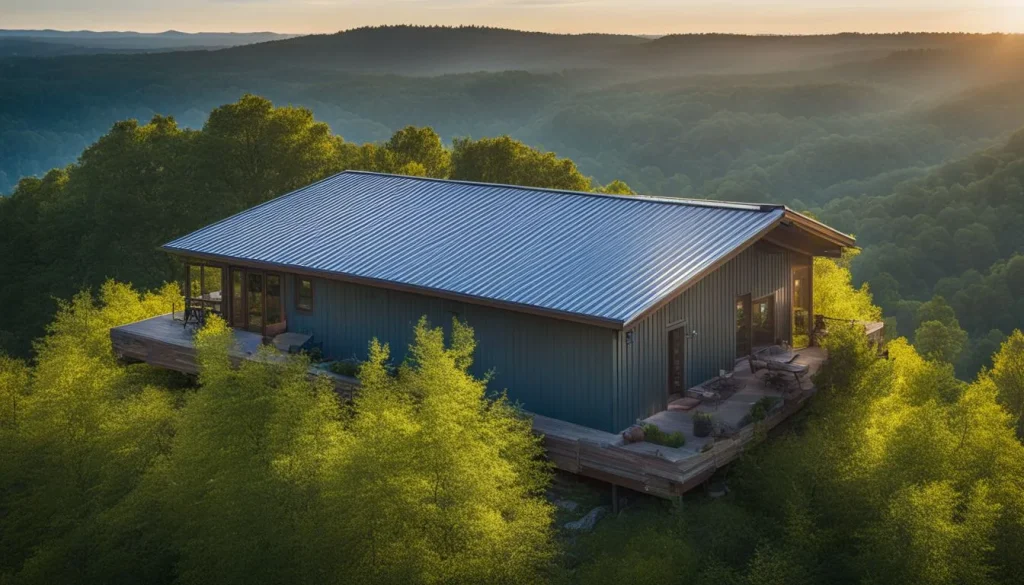
Ensuring your standing seam metal roofing stands the test of time hinges on proper maintenance, a task less daunting than it seems given its design for durability. It’s about embracing longevity—regular check-ups and understanding when to act safeguard not just the roof but also the investment it represents.
Warranties
Warranties on standing seam metal roofing are like promises from the company. They tell you that your roof should last a long time without problems. These guarantees usually cover things like the paint not peeling, the metal not rusting, and the roof parts staying put together.
If something does go wrong, it’s often because of how it was made or materials that weren’t good enough – not because of how you used it.
You can relax knowing these warranties have your back for many years. Top-notch companies are sure their roofs will hold up well and they’re ready to fix them if needed. This way, you get to enjoy a strong, pretty roof over your head without worrying too much about fixing or replacing stuff later on.
Thermal Movement
Metal expands and contracts with changes in temperature. This is called thermal movement. In a standing seam metal roof, this movement is important. It helps the roof last longer and stay strong.
The design of standing seam roofing lets each panel move a bit as it gets hot or cold. This stops damage that can happen if the panels were stuck tight without room to shift. A good thing about these roofs is they have high seams over an inch tall which help keep water out even when they move with the weather changes.
Roofers know how to put these panels on so they can slide back and forth safely. They use special clips that hold the panel down but also let it move sideways when needed. It’s like giving your roof space to breathe, making sure it stays waterproof, tough against leaks, and in great shape for many years!

Repair and Replacement Procedures
Thermal movement is a natural part of a standing seam metal roof’s life. But, if damage occurs, you may need to fix or change parts of the roof. Here are steps to follow for repair and replacement:
- Check the warranty first. Before you do anything, see if the manufacturer’s warranty covers the repair.
- Find the issue. Look carefully at your roof to spot where it needs fixing or parts need replacing.
- Get the right tools and safety gear. Make sure you have what you need and wear gear to keep safe while working on the roof.
- Match materials. Use panels and screws that match your current roofing for best results.
- Remove damaged panels with care. Take out screws or unseam panels gently to avoid hurting other parts of your roof.
- Fit new panels properly. Put in replacement panels making sure they line up right with the rest of your roof.
- Seal everything well. Use flashing and sealant to block water from getting in around new panels.
- Check surrounding areas too. While fixing one part, look around it for any other spots that might need attention soon.
Conclusion
Standing seam metal roofing shines in beauty and toughness. It keeps buildings dry, safe, and looking sharp. Putting it up needs skill but pays off with low care needs. Remember, picking the right type for your roof is key.
Trust in standing seam for a long-lasting cover over your head!
FAQs
1. What makes standing seam roofs good for energy efficiency?
Standing seam section reflect sunlight, which helps keep buildings cool. This is called cool roofing, and it’s a key part of making a home or building more energy-efficient.
2. Can I recycle parts of a standing seam section?
Yes! Many materials used in standing seam section like metal are known for recyclability. You can often reuse them without losing quality.
3. Why is corrosion resistance important in metal roofing?
Metal that resists corrosion stays strong over time. It won’t rust or weaken from weather or water, which means your roof lasts longer and keeps your property safe.
4. What should I check during maintenance of a standing seam section?
Standing Seam Section is look at the screws to make sure they’re tight, check gutters are clean, and see if the panels are free of scratches or dents — all these steps help keep your roof in top shape.
5. How does insulation work with metal roofs?
Insulation under the metal panels helps stop heat from getting through—this means less radiant heat inside and lower energy bills for cooling!
6. Do I need any special tools for installing standing seam section?
You’ll need specific drill bits made for screwing into metal, along with scaffolding to reach high places safely when you work on your roof.