Lowest Roof Pitch For Metal Roof 2025

Choosing the right pitch for your metal roof can be puzzling. Did you know that a too-flat roof can lead to water damage? Our article sheds light on the lowest safe slope for metal roofs, ensuring you make a smart choice for your home.
Keep reading—it’s simpler than you think!
Understanding Lowest Roof Pitch For Metal Roof
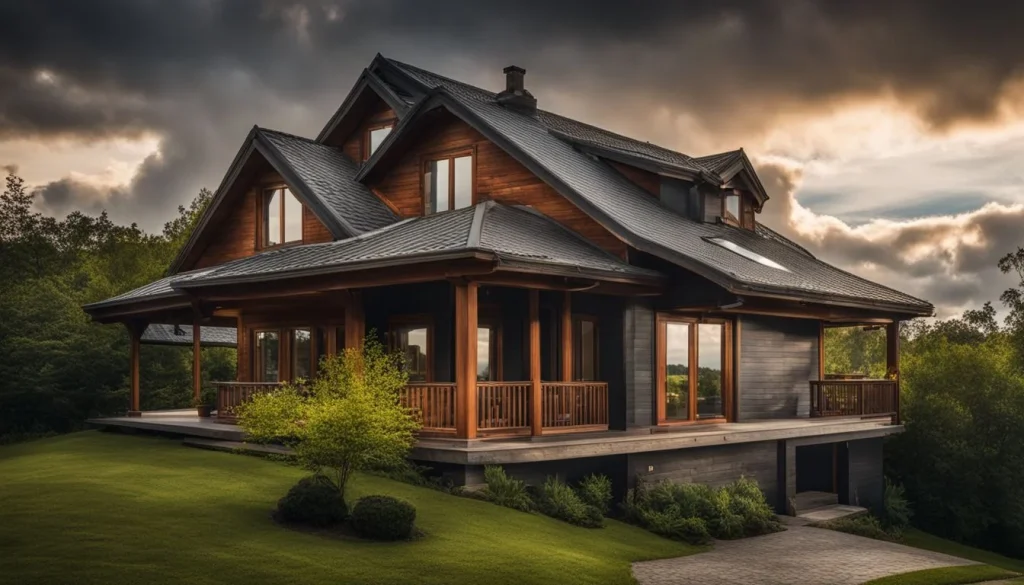
Grasping the concept of roof slope is crucial—it’s the backbone ensuring efficient water drainage and withstanding harsh weather. More than just functional, the slope adds a distinct character to your home’s silhouette.
Water DrainageProper water drainage on a metal roof keeps the structure safe from water damage. A good roof slope ensures rainwater flows quickly into gutters and down drainpipes. Without the right angle, water can pool on the roof, leading to leaks or serious damage over time.
Metal roofs need a minimum pitch to prevent problems like ponding. This is where standing seam metal roofs shine; their design lets them work well even with slight inclines. They channel water off smoothly, avoiding buildup that could cause mildew or structural issues.
For homes in rainy areas, getting this slope right is key for a long-lasting roof.
Weather Resistance
Metal roofs stand strong against harsh weather. They endure heavy rain, fierce winds, and weighty snow without buckling. The right roof pitchadds to this strength. Steeper slopes slough off snow and water fast.
This prevents leaks and damage over time.
Roofs with low pitches might struggle more in bad climate zones. Water can pool, ice dams may form, and wind could lift the edges of metal sheets if not properly secured. It’s crucial to choose a gradient that suits your area’s weather patterns for the best protection.
Match your roofing material with an ideal slope for lasting results against nature’s tests. Next up is how different metal roofing styles work with various roof pitches..
Aesthetic Appeal
Just like weather resistance, the look of your roof matters too. Choosing the right slope can make your home stand out. A more gradual pitchmight give a sleek, modern feel, while a steeper one often matches traditional styles better.
Your roof’s shape impacts how people see your whole house.
Metal roofs come in many forms: standing seam, corrugated panels, or even tiles that mimic slate or cedar shake. Each type needs a specific angle to look right and work well. Roofing contractors use ratios with a numerator and denominator to talk about slopes – steepness affects both function and fashion.
Think about what style fits your home best before you decide on the slope. Local building codes may limit some choices but within those rules, there’s room for creativity. Always remember that the best-looking metal roof is one that suits your personal taste and meets all practical requirements too!
Common Lowest Roof Pitch For Metal Roof
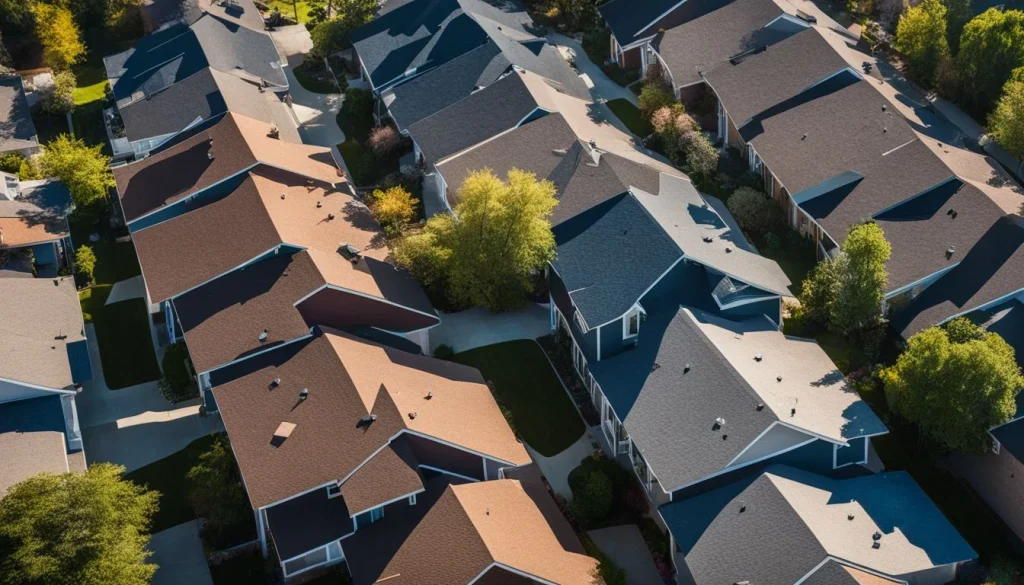
Understanding the common roof slopes is akin to navigating a terrain that’s vital for your structure’s longevity and effectiveness. It goes beyond mere aesthetic choices — the slope of your roof plays an integral role in determining how well it will stand up to Mother Nature’s whims, influencing everything from water drainage to how defiantly it faces down a storm.
Low Slope
Metal roofs with a low slope need careful installation to prevent water from pooling. A tape measure can confirm if your roof’s pitch is right for metal roofing materials. For standing seam systems, the lowest recommended pitch is just 1/4:12.
This means for every 12 inches of horizontal distance, the roof height changes by only 1/4 inch. Some makers might suggest a bit steeper slope to be safe.
Corrugated metal requires at least a 1/2:12 slope, making it versatile for different buildings. It can handle light rains and typical weather well when put on slightly flatter roofs.
Proper installation includes using screws correctly and ensuring the seamer connects panels tightly. This helps avoid leaks and corrosion over time. Just like with any roofing job, good ventilation is vital to maintain the durability of your low-slope metal roof structure.
Moderate Slope
Roofs with a moderate slope hit the sweet spot for many homes. They offer great water runoff and open up lots of design choices, like the popular hip roof style. These roofs can handle different types of weather well, from heavy rains to snow.
People often choose them because they look good on all kinds of houses.
Moderate slopes aren’t too steep or too flat. This makes them just right for metal roofing materials such as standing seam systems and metal shingles. With this kind of pitch, you won’t have to worry much about water pooling or leaks.
Next, let’s explore what specific minimum slopes are ideal for various metal roofing options.
Steep Slope
Steep slopes are at 8:12 or higher. They stand out on many homes, adding beauty and style. These angles allow rain and snow to slide off quickly, making them excellent for weather resistance.
On steep sloped roofs, metal options like slate shingles shine both in performance and looks.
Homes with steep slopes need the right materials to handle the pitch. Metal roofing is strong and lasts a long time on these roofs—it’s built tough just like mountain climbing gear! Proper installation keeps houses safe and dry for years to come.
It helps avoid water damage because nothing stands a chance against gravity; it all flows down fast!
Minimum Slope Requirements for Different Metal Roofing Systems

Understanding the minimum slope requirements is vital for ensuring your metal roof functions optimally, protecting your home from the elements—let’s delve into what you need to know to select the right system for your roofing needs.
Standing Seam Metal Roof
Standing seam metal roofs need a slight slope to work best. Experts recommend at least 1/4:12 pitch—which means for every 12 inches of horizontal distance, the roof should rise by at least 1/4 inch.
This design helps water flow off the roof and prevents leaks. Every metal panel locks together along a seam that stands up, keeping moisture out.
Some brands might ask for a steeper slope than the standard minimum. They know their product well and want to make sure it lasts long without problems. A proper slope also makes these roofs stronger against wind and snow.
With standing seams, your house stays safe and looks sharp too—flat roofing worries can be left behind!
Corrugated Metal Roof
Moving from the sleek lines of standing seam to the distinctive ridges of corrugated metal roofing, there’s a notable shift in minimum slope requirements. Corrugated panels are well-suited for handling water runoff, even with less steep pitches.
These roofs can go as low as 1.5:12 if they have lap sealant at each joint, allowing them to manage precipitation effectively without being completely flat.
Corrugated designs offer an added layer of strength due to their wavy pattern which withstands various weather conditions. It’s essential that these metal roofs get installed correctly to prevent leaks and ensure durability.
Unlocking this potential means paying close attention to the pitch, especially since it plays a critical role in guarding against water damage and debris build-up on your roof surface.

Metal Shingles
Switching from the classic style of corrugated metal roofs, we explore the innovative world of metal shingles. These mimic traditional shingle looks but bring the strength and durability of metal.
Metal shingles work best on roofs with a bit more slope than flat ones. They need at least a 3:12 pitch. This ensures water runs off well and doesn’t pool on your roof. Since each piece interlocks tightly, they resist wind and weather like champs.
Metal shingles offer a modern twist for roofs needing both protection and style. They are easy to install and can fit almost any home’s design. Homeowners love them because they last long with little upkeep.
Remember, picking the right slope is key for these cool roofing options to do their job right!
Metal Tiles
Metal tiles add elegance to any roof, but they need the right slope. They usually work best on slopes between 3:12 and 4:12. This means for every 12 inches the roof runs horizontally, it must rise by at least 3 to 4 inches vertically.
The specific angle helps ensure water flows off properly.
Manufacturers set their own guidelines for metal tile installation. Always check with them before starting your project. This way, you make sure your metal tile roof performs well and lasts long.
After considering metal tiles, let’s explore other materials like standing seam metal roofs next!
Conclusion

Choosing the right roof pitch for a metal roof matters. A low slope can lead to water problems and damage. But with the right minimum pitch, your metal roof will handle rain and snow well.
Remember, picking out a proper slope keeps your house safe and looking great. Trust experts to guide you—your home deserves a strong, effective cover!
FAQs

1. What is the lowest roof pitch I can have for a metal roof?
The lowest pitch for a metal roof is often around 3:12, which means the roof rises 3 inches for every 12 inches of horizontal space. This ensures proper water runoff and long-term durability—even on roofs that look almost flat.
2. Can I use a metal roof on a really flat surface?
Yes, you can use metal roofing on flat surfaces, but it’s critical to choose the right type of metal roofing system designed for low-slope or nearly flat roofs to prevent leaks.
3. Why does the pitch of my roof matter if I want to install a metal roof?
The pitch matters because it helps rain and snow slide off your roof easily. With too low of a pitch, water might not drain well, leading to potential damage.
4. Will having the correct slope make my metal roof last longer?
Absolutely! The correct slope prevents water from pooling on your rooftop; this way, your metal roofing stays in great shape over time and protects your home better.
Click for more information about Lowest Roof Pitch For Metal Roof.