Metal Roofing Types And Prices 2025

Choosing the right roof for your home can be tricky, especially when it comes to metal options. Metal roofs are known for their durability and diverse styles. This post will guide you through the various types of metal roofing and how much they might set you back.
Keep reading to find your perfect roof at a price that works for you!
Understanding Different Types of Metal Roofing Types And Prices
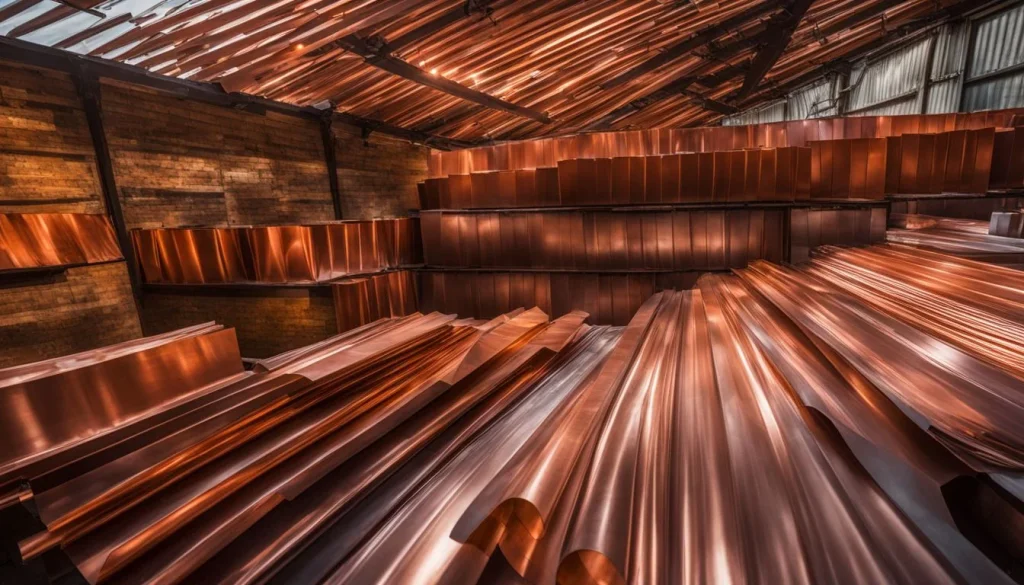
Exploring the world of metal roofing, one finds a diverse array of materials each with unique properties and aesthetics. From the rugged strength of steel to the timeless elegance of copper, this section will guide you through the different types of metals available for your rooftop sanctuary.
Steel Roofing
Steel roofing stands out as a go-to choice for homeowners looking for durability and cost-effectiveness. You can pick different profiles, such as corrugated metal sheets or sleek standing-seam panels.
The prices vary; heavier gauges generally cost more due to their increased strength and lifespan.
A lighter 29-gauge steel roof might be kinder on your wallet, but a robust 20-gauge panel will stand up better over time. You’ll see that the upfront cost of $5 to $16 per square foot includes installation too.
Remember, if you opt for an exposed fastener system like wavy corrugated metal roofs—they come in at nearly half the price of their standing seam counterparts. These choices allow you to balance your budget with the performance needs of your home’s rooftop.
Aluminum Roofing
Aluminum roofs stand out for their energy efficiency and reflective qualities. They reflect sunlight, keeping homes cooler in hot weather. This type of roofing is also fire-resistant and does not corrode, which is perfect for houses near the ocean where saltwater can be a problem.
Homeowners appreciate that aluminum lasts about 45 years and comes with impressive warranties—up to 45 years for the paint on these roofs.
For a basic idea on costs, installing an aluminum roof on a medium-sized home could cost anywhere from $43,000 to $65,000. The material itself ranges between $300 to $900 per square (100 square feet).
People pick aluminum because it’s less expensive than copper but still offers great protection against the elements like high winds common in coastal regions. It’s a smart choice if you’re looking for long-term savings and durability.
Copper Roofing
Copper roofing stands out in the world of metal roofs. This premium material lasts over 100 years and shines with a unique beauty. Homeowners love copper for its low-maintenance needs and rust resistance.
Over time, it develops a striking green patina that many find appealing.
Choosing copper means investing in quality. It’s the most expensive metal roofing option, but people choose it for lasting value and its distinctive look. For a large home, expect to spend between $150,000 to $200,000 on a shiny new copper roof that could last a lifetime or longer!
Zinc Roofing
Zinc roofing stands out with its impressive lifespan of 100 years or more. It’s a premium choice, costing between $6 to $12 per square foot, but it proves its worth over time. This material boasts self-healing properties that fix scratches and minor damages on its own.
Zinc roofs can take on severe weather without flinching and require very little upkeep.
They are an eco-friendly option too because zinc is recyclable, making it kinder to the planet. Homeowners invest in zinc for peace of mind, knowing their roof is strong and will last through the generations.
Next up, we’ll look at another durable metal – lead metal roofing.
Lead Metal Roofing
Lead metal roofing stands out for its impressive lifespan. It often lasts over 100 years, making it an excellent long-term choice. The material is also very heavy and durable, able to withstand harsh weather without damage.
Lead roofs cost between $10 to $15 per square foot but can be a smart investment given their longevity and low maintenance needs.
Builders appreciate lead for its flexibility and the ability to make tight seals around complex shapes like chimneys or flashings. This adaptability ensures that leaks are less likely with a properly installed lead roof.
Next, let’s look at how these factors play into the overall pros and cons of metal roofing.
Pros and Cons of Metal Roofing Types And Prices
Exploring the world of metal roofing unveils a spectrum of advantages and potential drawbacks tailored to varying homeowner needs – each factor swaying your decision with the promise of enduring protection or considerations for upkeep.
Let’s delve into what sets metal roofing apart, weighing its renowned toughness against aspects like cost and maintenance for a holistic view.
Durability and Longevity
Metal roofs stand strong for over 50 years, making them a smart choice for homeowners. They weather all storms – from blazing sun to hail and high winds. With such strength, these roofs require less upkeep over the years.
You won’t have to check on them often, thanks to their built-to-last nature. This means fewer repairs and more peace of mind.
Choose metal roofing for a worry-free roof that keeps your home safe year after year. It’s a resilient investment that pays off by protecting against harsh conditions without losing its shine or effectiveness.
Your house stays secure, and you save time and money on maintenance – it’s tough to beat that combo!
Maintenance
Caring for a metal roof is easy. They stand up well against weather and time, meaning less work for homeowners. You won’t have to check on them as much as other roofs because they are strong and last long.
With minimal upkeep, these roofs keep looking good year after year.
Keeping leaves and debris off your roof helps it stay in top shape. Simple tools like a leaf blower or garden hose can do the job quickly. Say goodbye to constant repairs; metal roofs withstand harsh conditions without needing frequent fixes.
This saves you money and hassle over time!
Energy Efficiency
Metal roofs shine when it comes to saving power. They bounce back sunlight, which means less heat gets into your house. This keeps your attic cool and cuts down on the need for air conditioning.
With a metal roof, you could see energy bills drop, making it a smart choice for both your wallet and the planet.
Choosing metal roofing is like picking a hat that works year-round—it’s always looking out for you. In winter, it also helps trap warmth inside, reducing heating costs. And don’t forget about the long-term savings; these sturdy roofs can last over 50 years! Investing in one might seem big at first, but they pay off by lowering energy use over time.

Eco-Friendliness
Metal roofs bring big eco-friendly benefits to the table. They reflect sunlight, which keeps houses cooler and cuts down on air conditioning bills. This makes them energy efficient and helps fight climate change by reducing carbon footprints.
Not only do they save money, but their high reusability and recyclability also mean less waste in landfills. Plus, metal roofs don’t like fungus or moss, so they stay cleaner without harsh chemicals.
They last for decades with little upkeep. Most metal roofing materials can be recycled at the end of their life, making them a smart choice for green building. Eco-minded homeowners often pick metal when they want durable roofing that’s kind to our planet.
Next up: Let’s get into how roof size and other factors affect your final cost for a new metal roof.
Aesthetic Appeal
Metal roofing isn’t just tough; it can also be quite stunning. It offers homeowners a vast range of options to beautify their homes. You might choose the sleek lines of standing seam metal roofs or the traditional look of metal shingles that mimic wood shake, slate, or tile.
With finishes from matte to glossy and colors that cover every hue you can imagine, there’s something for every taste.
Choices in metal like copper and zinc develop a patina over time, adding character that evolves with age. This natural process results in a unique coloration that reflects an elegant aging process—like fine wine getting better year after year.
Homeowners who want this dynamic change opt for these materials to give their houses a timeless look others simply can’t match. And let’s not forget coatings such as polyvinylidene fluoride (PVDF), boosting both color retention and corrosion resistance—a win-win for lasting beauty and protection against the elements.
Factors Influencing Metal Roofing Types And Prices Costs
When venturing into the realm of metal roofing, one’s budget often takes center stage. The financial outlay for your new roof isn’t just about picking a material; it’s shaped by a myriad of variables, from the architectural complexities of your home to the skilled hands that bring it to life.
Roof Size
The size of your roof plays a big part in how much you’ll pay for metal roofing. A larger roof means more material and can lower the cost per square foot. But don’t forget, really small jobs will come with a higher price tag.
Think of it this way: buying metal roofing is like getting a bulk discount—the more you buy, the less expensive it becomes.
Installing a metal roof isn’t just about covering the area; there are calculations to consider. The total square footage determines what you need, from sheet metal to trims and flashings.
Remember that 60% to 70% of your final cost covers installation labor. Roofers look at every angle—literally! They measure each slope and pitch carefully so they use just the right amount of materials for your specific roof size without waste or shortage.
Roof Slope and Pitch
Moving from the area covered by your roof, let’s tackle slope and pitch—critical factors for metal roofing costs. A steep roof doesn’t just grab attention; it grabs more material and demands more time from workers, hiking up your bill.
Steeper slopes mean careful footing and safety measures for installers, which translates into higher labor costs.
Every degree of incline on your roof changes how much metal you need. Complex designs with multiple peaks and valleys can push prices even higher. It’s about angles – the sharper they are, the steeper the cost climb.
Keep in mind that special metals like copper or zinc might look stunning on a bold slope, but they’ll impact your budget as much as they impress neighbors.
Additional Features (Chimneys, Vents, Flashings)
Chimneys, vents, and flashings play key roles in any roof system. They allow smoke to escape, air to flow, and prevent water from entering your home. But installing these on a metal roof requires skill.
Each chimney or vent needs proper sealing with flashing—metal strips that guide water away from openings.
Working around these features adds time to a roofing job. It also increases the cost of materials and labor. Flashing must match the roof’s material for the best protection against leaks.
That may mean using copper flashing on a copper roof which can be more expensive than other options. Always factor in these additional costs when planning your budget for a new metal roof.
Material Type
Moving beyond the extra touches your roof might have, let’s talk about what the roof is made of. The material type is a big deal when it comes to price. For instance, steel roofs come in different styles like galvanized or painted.
They are strong and can last for years. Think rust-resistant zinc coating for galvanized metal—this is what gives it an edge against weathering.
Aluminum roofing doesn’t weigh much and resists corrosion well. It’s a solid choice if you live near saltwater. Copper roofs shine bright and change color over time; they’re often seen as top-tier options and carry a higher cost.
Zinc roofing lasts long too and has that cool look with its own patina style as it ages.
Lead metal roofing isn’t common in homes but sometimes shows up on historic buildings—pricey due to its weight and skilled work needed to install it right. Each type comes with its unique benefits, whether it’s durability or energy savings, so choose wisely based on needs and budget!
Labor Costs
Hiring a skilled crew to install your metal roof is a big part of the budget. Workers charge between $40 and $80 per hour, or sometimes by the square footage of the roof, costing $7 to $14 per square foot.
The price changes based on how complex your roof is, what state you’re in, and how much experience your roofing contractors have. Don’t forget that complicated roofs take more time and talent to finish, so they cost more.
Getting approval for building can also affect labor costs. Some places need special permits for metal roofs which can add up to $500 to the metal roofing types and prices project’s total price tag. After considering labor fees, it’s important to look at material types as they shift prices too—each has its unique rate card.
Moving forward let’s break down these metal roofing prices by type.
Breakdown of Metal Roofing Prices by Type

Delving into the financial aspect of metal roofing, we tackle the burning question on every homeowner’s mind: “How much will this investment set me back?” Let’s unwrap the various price tags attached to each metal type, helping you navigate costs without skimming on quality or appeal.
Steel Roof Prices
Steel roofs come in different types, each with its own price tag. Galvanized and Galvalume steels are popular for their ability to resist corrosion. A standing seam metal roof made of these materials can cost between $10 to $16 per square foot.
If you choose corrugated steel, the price may range from $7 to $12 per square foot.
Painted steel roofing adds color and style while also protecting against rust. Prices vary based on metal gauge and finish quality. Remember, the sturdier the material, the higher the cost will be.
Yet, investing in a durable steel roof can save money over time due to less maintenance and repair needs.
Aluminum Roofing Cost
Aluminum roofing stands out as a cost-effective option for many homeowners. Prices typically range from $4 to $11 per square foot, making it more affordable than some other metals.
For a standard 2000-square-foot home, you might pay between $43,000 and $65,000 for a complete aluminum standing seam roof. This includes materials and labor costs.
This type of roofing is known for its energy efficiency and impressive lifespan of around 45 years. It’s also fully recyclable – an added bonus if you’re metal roofing types and prices eco-conscious. Especially in coastal areas where storms are common, aluminum roofs offer excellent durability against the high winds.
They can be a wise investment that pays off over the long term while protecting your home from harsh weather conditions.
Copper Roofing Prices
Copper roofing stands out as a premium choice among metal roofs. Its price reflects this luxury status – installing copper on an average 3000 square foot home can cost between $150,000 to $200,000.
This high cost is due to copper’s exceptional durability and the elegant patina it develops over time. Copper is resistant to corrosion and can last for decades without needing replacement.
Homeowners view it as an investment that not only protects their house but also enhances its aesthetic appeal.
While expensive, copper offers a return on investment through increased property value and less frequent repairs or replacements compared to other materials like asphalt shingles or corrugated sheet metal.
After exploring the opulence of copper roofing prices, unraveling the costs associated with zinc roofing unveils yet another facet of metal roofing considerations.
Zinc Roof Cost
Zinc roofs stand out for their impressive lifespan and durability. Covering a 3000 square foot home with zinc standing seam panels will cost between $125,000 to $170,000. This price includes materials and installation.
Zinc material alone costs about $6 to $12 per square foot.
Choosing zinc means investing in a roof that could easily last over a century with minimal maintenance. The initial high cost pays off since these roofs withstand harsh weather and slowly form protective patinas.
These naturally forming layers shield the metal from corrosion, adding more years to its already long life expectancy. While upfront expenses are hefty metal roofing types and prices compared to other metals like steel or aluminum, the extended durability of zinc roofing often justifies its price tag for many homeowners looking into long-term housing solutions.
Lead Metal Roofing Prices
Lead metal roofing is in a league of its own, with prices ranging from $10 to $15 per square foot. Its durability is unmatched—it can last over 100 years, making it a long-term investment for any building.
The cost reflects the material’s resilience and historic appeal. It resists corrosion and weathers beautifully over time, adding character to older homes and churches.
Choosing lead roofing means investing more upfront but saving on replacements later. You’ll find it used in custom details like gutters, flashings, and roof ornaments due to its unique properties.
After considering lead metal roofing prices, let’s explore how copper compares as an alternative choice for high-end projects.

Comparing Metal Roofing to Other Roofing Materials
Metal roofs outshine other materials in several ways. Their tough surface stands up to hail storms and wildfires better than traditional shingle roofs. With a cool roof coating, they reflect more sunlight, meaning less heat sneaks into your home.
This can lead to lower air conditioning bills in hot months. Metal roofing isn’t just strong; it’s smart, too.
Other materials like asphalt or wood may need replacement after 20 years – not metal roofs! They stay solid for about 50 years with little fuss. Energy savings add up over time as well since metal reflects sun rays away from your house.
Plus, when it’s time for a new roof, the whole metal roof can be recycled — slate shingles and asphalt can’t always say that. And let’s talk cost – initial price per square foot might be higher for metals like copper or zinc compared to other materials, but their durability means you save money in the long run on repairs and replacements.
FAQs about Metal Roofing
Navigating the diverse terrain of metal roofing options can spark a bounty of queries—whether it’s about the longevity that characterizes these materials or the nitty-gritty details of upkeep.
Our FAQ section zeros in on those recurring themes, delivering crisp answers that aim to streamline your decision-making process without circling back over trodden paths.
Lifespan of Metal Roofs
Metal roofs are famous for lasting a very long time. They can protect your home for 30 to 80 years if you take good care of them and install them right. This makes metal roofing a great choice if you want something that will last longer than most things metal roofing types and prices in life! Imagine only needing to replace your roof once or twice in your lifetime—that’s what you get with metal.
Different metals have their own lifespans too. For example, aluminum roofs can stick around for about 45 years and they’re tough against strong winds, perfect for houses near the coast.
Because these roofs last so long, they are also kind to the planet; when it’s finally time for a new one, you can recycle the old metal! Next up, let’s talk about how fast we can put these sturdy roofs on your house.
Installation Time
Knowing how long a metal roof will last is important, but so is understanding how long it will take to install. On average, putting up a metal roof can take between 2 to 5 days. This depends on the size of your roof and how complex it is.
Things like chimneys, vents, and solar panels can make the job trickier and longer.
The type of metal also affects the time needed. For example, metal roofing types and prices might take longer than other types because each metal roofing types and prices seam has to be carefully joined together. A bigger crew can get the job done faster if the weather cooperates.
But storms or extreme heat can slow things down too.
Metal Roof Maintenance
Keeping your metal roof in top shape means checking it regularly. Look for any signs of damage, such as dents or scratches that can lead to rust. Remove leaves and debris that pile up.
It’s good to wash the roof with water occasionally too, especially if you live in a place with lots of tree coverage. This prevents stuff from building up and causing damage over time.
Make sure your metal roof is energy efficient and wind resistant by inspecting seals and fastenings. Replace any loose or damaged screws to keep everything tight against storms. By taking care of these things early on, your metal roof can last decades longer without big problems popping up.
DIY vs. Professional Installation: Costs and Considerations
Deciding between DIY or hiring a pro depends on your skills and budget. Doing it yourself saves labor costs but requires confidence in your roofing abilities. You’ll need to be okay with heights and have the right tools.
In contrast, professional installation costs more because of labor charges but comes with expertise and warranties.
Professionals handle complex tasks like ensuring proper ventilation, installing trim/flashing, and working with steep pitches safely. They can spot issues that DIYers might miss. After considering all factors, move on to learning about maintenance needs for your metal roof in the FAQs section below.
Conclusion
Choosing the right metal roof takes thought. You’ll think about types, costs, and your home’s needs. Remember, steel to copper varies in price. A pro can help with tough decisions.
Your new metal roof will be an investment in your home for years to come!
FAQs
1. What types of metal roofing types and prices are available?
You can choose from several types of metal roofing, including steel, aluminum, copper, and zinc.
2. How long does a metal roof typically last?
A well-installed metal roof can last between 40 to 70 years, depending on the material and maintenance.
3. Is a metal roof more expensive than other types of metal roofing types and prices?
Yes, initially a metal roof may cost more than asphalt shingles but they often last longer and can save money in the long term.
4. Can I install a metal roof over my existing shingle metal roofing types and prices?
Often you can install a new metal roof over your current shingle one without tearing it off which saves time and labor.
5. Will having a metal roof affect my home’s energy efficiency?
Metal roofs reflect solar radiant heat which can reduce cooling costs in the summer months.
Click for more information about Metal Roofing Types And Prices.