Pros and Cons of Installing a Corrugated Metal Roof 2025
Choosing the right roof for your home or building can be a real headache. Metal roofs, particularly corrugated ones, are gaining popularity fast. In this article, you’ll learn how a corrugated metal roof could offer both style and substance to your property.
Keep reading to weigh up if these roofs will weather the storm of your needs!
Understanding Corrugated Metal Roofs
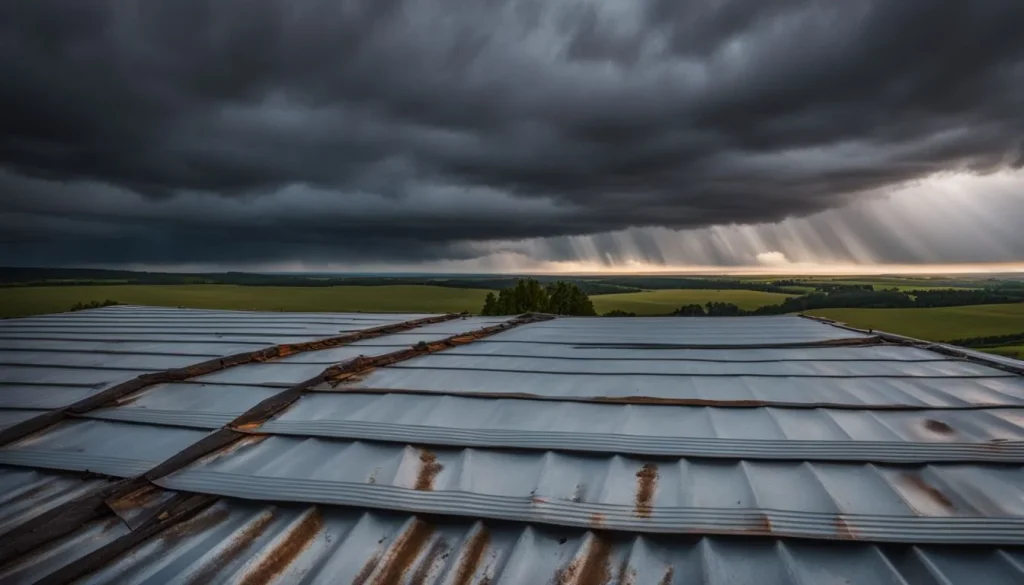
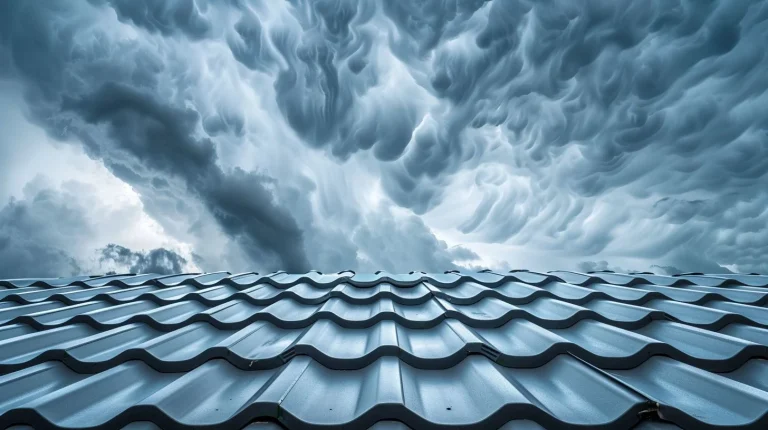
Corrugated metal roofs are a strong choice for protecting buildings. They have deep wavy patterns, also known as corrugations. These waves make the roof stronger against wind and heavy weather.
Metals like aluminum, steel, and copper are often used to make these roofs. Each kind has its special strengths.
Galvanization helps protect metal sheets from rusting. This process adds a layer of zinc to steel or iron, which fights off corrosion. Corrugated metal comes in various gauges; the lower the gauge number, the thicker the material is and vice versa.
Thicker gauges mean more durability but also heavier weight on your home’s framework.
Benefits of Corrugated Metal Roofing
Corrugated metal roofing offers a trifecta of advantages for homeowners and businesses alike, coupling formidable resilience with financial savvy and aesthetic flexibility. It’s a choice that transcends the mere shelter, providing a smart investment in both protection and style for any structure it crowns.
Durability
Metal roofing stands strong against harsh weather. It keeps out water and holds up well in heavy winds. Galvanized steel corrugated roofs last a long time because they resist rust and corrosion.
These roofs need a new coat after being exposed for many years to keep them from rusting.
This type of roofing is tough enough for sheds and steel-framed buildings, too. With proper maintenance, it can protect these structures year-round without wearing down quickly. Its strength comes from the process of cold-rolling used in making corrugated metal sheets, which adds to their toughness and ability to shield against the elements.
Cost-effectiveness
Corrugated metal roofs save money over time. They last up to 50 years with little upkeep, cutting down on repair costs. Upfront, they might cost more than materials like asphalt shingles.
But long-term, they are a smart investment because of their durability and low maintenance needs.
These roofs also keep energy bills lower by being energy efficient. With a proper roofer, installation becomes an affordable process. That way, homeowners enjoy the benefits without breaking the bank.
Choosing corrugated metal could mean big savings in construction and home care budgets.
Next up: Variety of materials and colors—let’s explore the options!
Variety of materials and colors
Corrugated metal roofing isn’t just tough; it’s also stylish, with over 100 color choices. You can pick from vibrant standard colors, subtle matte shades, and special order hues.
Want your roof to stand out or blend in? Options abound from Solar White to Aged Patina or even the look of natural wood. These roofs can dazzle with finishes like rusted or pre-weathered Galvalume too.
Materials range wide as well – think sturdy Galvanized G90 for toughness, sleek Stainless Steel for modern flair, or Aluminum with a mill finish for classic appeal. Each material offers different strengths and styles that can match any home’s needs and taste.
Deciding on the right type of corrugated metal is crucial before exploring specific types like aluminum, steel, and copper roofing next.
Types of Corrugated Metal Roofing
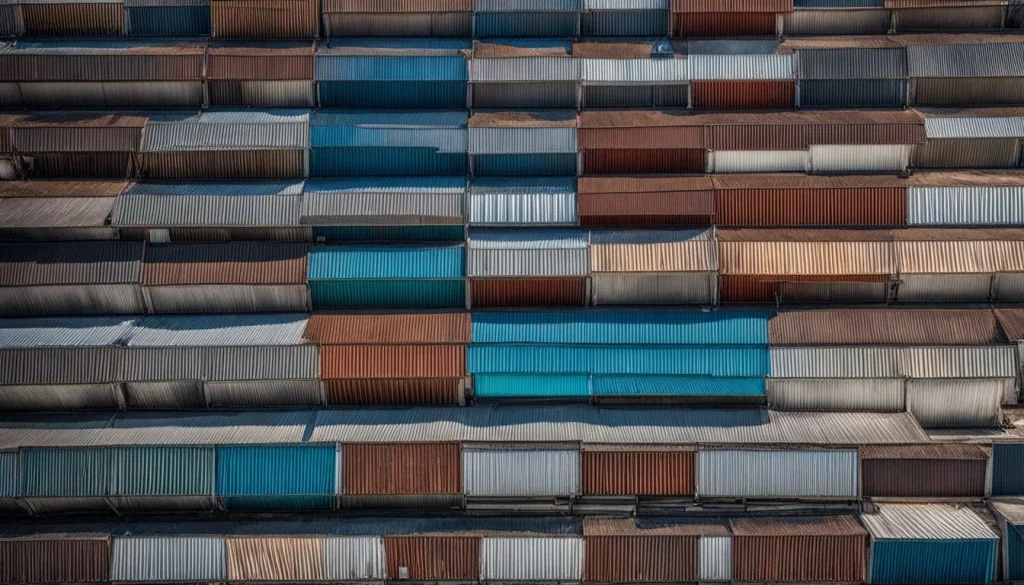
Explore the world of corrugated metal roofing and discover how materials from lightweight aluminum to regal copper can redefine your home’s exterior, promising both style and substance in equal measure—stay tuned for a detailed journey through each type.
Corrugated Aluminum Roofing
Corrugated aluminum roofing stands out for its modern look and sturdy design. Deep wavy corrugations create eye-catching shadows and textures, making it a stylish choice for buildings.
This type of roof shines in over 100 colors, fitting both houses and businesses perfectly. You can install it on open purlins or solid substrates, requiring just a moderate slope of 3/12.
Many choose aluminum because it’s tough against weather and cost-effective compared to asphalt roofs. It reflects sunlight well, keeping buildings cooler in the summer heat. But expect to maintain these roofs every 15 years since exposed fasteners may cause leaks if not checked regularly.
Prices range from $10,500 to $19,500 for a typical large roof but remember you’re investing in energy savings too!
Corrugated Steel Roofing
Corrugated steel roofing brings toughness to the table. It stands up to harsh weather and resists wear and tear. Thanks to its strength, many choose it for both homes and businesses.
The material shines in over 100 colors, so finding one that fits your style is easy. You can spot this type of roofing by its deep wavy patterns—a modern look that catches the eye.
Installing these sturdy panels requires some know-how. They work well atop open purlins or solid surfaces, with a slope of at least 3/12 needed to ensure proper drainage. Homeowners love it because it’s watertight and lasts longer than traditional asphalt shingles—big wins for any roof overhead!
Corrugated Copper Roofing
Copper roofing catches eyes with its shiny reddish-brown hue. Over time, it develops a greenish patina that many love for its classic look. It stands up to hail, wind, and fire better than most materials.
Copper roofs last for decades with little care needed.
This type of metal roofing can cost more at first. But the long life and low upkeep make it a good choice in the long run. Plus, copper is recyclable, which helps reduce waste. This makes copper an eco-friendly option for your roof.
Drawbacks of Corrugated Metal Roofing
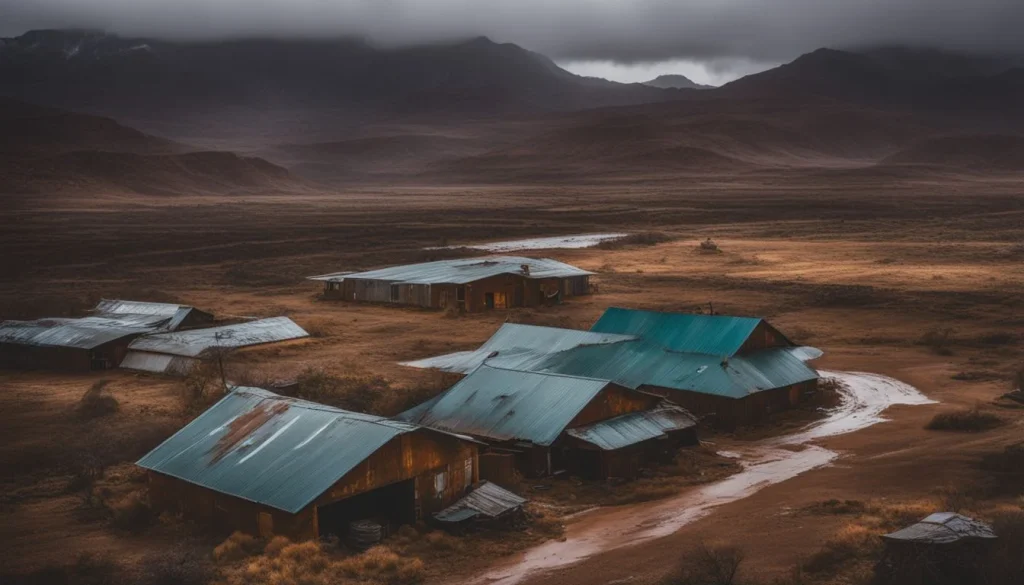
While corrugated metal roofing boasts an array of benefits, it’s not without its imperfections. Homeowners should weigh concerns such as the amplified drumming sound during heavy rain and potential challenges with rust over time against the advantages to make an informed decision for their homes.
Noise during rain and hail storms
During rain and hail storms, corrugated metal roofing gets loud. The sound of the heavy drops and icy pellets is much louder when they hit the metal surface. This can be annoying to some people who live in places with a lot of storms.
They might not like how much noise a metal roof makes compared to other materials like asphalt shingles or slate.
There’s no easy fix for this racket. You can add insulation under your metal roof to help muffle the clamor. But if peace and quiet are importantto you, consider this point carefully before choosing corrugated metal for your home’s covering.
Remember that in stormy weather, this type of roof will always make some noise.
Potential for rust and corrosion
Corrugated metal roofs can face rust and corrosion. If you live in an area with lots of rain or high humidity, these problems are more likely. Over time, even the strongest metals might show signs of wear.
Your roof battles weather all year long which can lead to rust.
To prevent this, manufacturers coat the metal with special materials that resist corrosion. But after many years under the sun and storms, you need to re-coat it to keep it safe from rusting.
Don’t use harsh tools for cleaning your corrugated metal roof; they scratch the surface and make it easier for rust to start.
Think about how hard installing a metal roof could be next.
Difficulty in installation
Installing corrugated metal roofing is no small task. It often requires a team of experienced roofers to handle the job. The panels must be carefully aligned and securely fastened to prevent leaks.
Special tools are needed for cutting and fitting the metal sheets around vents, skylights, and ridges. Expertise in framing and sheathing also plays a crucial role in ensuring that the structure can support the metal roof.
The challenge of installing this type of roofing doesn’t stop at placing down panels; it extends to ongoing maintenance. Roofs must be re-coated periodically to fend off rust and corrosion, adding more steps to the installation process.
All these factors make professional help not just helpful but necessary for proper installation of corrugated metal roofing—a sturdy yet demanding choice for your home or building’s envelope.
Corrugated Metal Roofing vs. Standing Seam
When weighing the options for a durable and stylish roofing solution, homeowners often find themselves comparing corrugated metal roofing with its sleek counterpart, standing seam.
This section delves into the distinct features of each style and how they stand up to various architectural demands and personal preferences.
Pros of Standing Seam
Standing seam metal roofs boast a sleek design that hides fasteners for a clean look. These concealed fasteners help prevent leaks and add to the roof’s overall durability. Unlike traditional shingle roofs, standing seam systems have no exposed seams, which means they’re less likely to succumb to the wear and tear of harsh weather.
These roofs come in various colors and profiles, allowing homeowners to customize according to their style preferences. They are built tough, with energy efficiency in mind. Standing seam roofing reflects sunlight, keeping homes cooler in summer months and reducing energy bills.
Plus, this type of roofing is known for its longevity—capable of protecting your home for decades without needing replacement as quickly as asphalt shingles.
Cons of Standing Seam
Standing seam metal roofing might look great and last a long time, but it comes with a higher price tag compared to corrugated metal roofs. This can strain your budget if you’re not prepared for the cost.
The installation process is also more complex, so you’ll need skilled professionals who know how to handle this type of roofing material properly.
Over time, even these sturdy roofs require attention – fasteners may loosen and paint might fade or chip. You’ll need to check these things regularly to keep the roof in top shape.
Repainting or tightening screws becomes part of ongoing maintenance that cannot be ignored without risking damage to your roof.
Pros of Corrugated Metal
Corrugated metal roofing stands tough against bad weather. Its deep wavy design sheds water fast, helping it last longer. Made from sturdy materials, this type of roof resists rust and damage from sun or wind.
It’s not just strong but also gives homes a modern look.
People can pick from over 100 colors for their corrugated metal roofs—there’s a shade for every style! Whether on houses or big buildings, these roofs add flair with their cool colors and sleek lines.
They’re also smart choices because they reflect sunlight and help save energy inside the building. Plus, installing them over existing structures is easy; you don’t always have to start from scratch.
Cons of Corrugated Metal
Metal roofing has its downsides, and corrugated styles are no exception. Noise is a big one—rain or hail can create quite the ruckus when they hit metal roofs. This can be especially loud in areas with frequent storms.
Think of it like a drum every time bad weather rolls in.
Another issue is rust. Over time, the elements can wear down even corrosion-resistant materials like galvanized steel or aluminum. If not properly maintained, these roofs might start to show signs of rust and could even begin to leak where there’s been damage.
Installation isn’t easy either. It takes skill to install corrugated metal right so that it lasts long and doesn’t cause problems down the line. And if you choose high-end options like copper for its natural patina, prepare your wallet—it comes at a premium cost.
With proper care though, some of these cons can be managed—one such aspect is regular maintenance to avoid potential leaks from exposed fasteners; this keeps future headaches at bay.
Next up: balancing out by exploring how standing seam systems measure against corrugated metal..
Maintenance of Corrugated Metal Roofs
Taking care of a corrugated metal roof helps it last longer. Here’s how to maintain your roof properly:
- Check the roof twice a year. Look for any signs of wear, especially after severe weather.
- Clean debris off the roof regularly. Leaves and sticks can trap moisture and cause rust.
- Use soap and water for cleaning. Gentle cleaning keeps the surface shiny without scratches.
- Inspect for loose screws after storms. Tighten them to prevent leaks and damage.
- Apply touch – up paint on scratches or chips. This protects against rust and keeps the roof looking good.
- Trim nearby trees. Branches rubbing against the metal can damage it over time.
- Clear out gutters and downspouts. Blockages can lead to water buildup and rust on your roof edges.
- Look out for corrosion, especially in older roofs. Treat any spots early to avoid bigger issues.
- Rewax or reseal seams every few years as needed. This keeps the joints waterproof and secure.
- For energy efficiency, consider adding insulation under the metal roofing panels.
Conclusion
Choosing a corrugated metal roof offers lasting strength and a rainbow of colors. But you’ll hear pitter-patter louder on rainy days, and rust can sneak up if you’re not careful. Installation? It’s no walk in the park — better leave it to pros who know their way around screws and flashing.
Stand by for some upkeep, and your shiny top could reward you with years of solid cover. Remember, weigh the good against the bad before making your rooftop decision!
FAQs
1. Why choose a corrugated metal roof for my house?
Opting for corrugated metal roofing can be smart—it’s durable, corrosion-resistant, and energy-efficient! Metal roofs reflect the sun, keeping homes cooler.
2. What are some downsides to metal roofing compared to shingles or shakes?
Metal roofing might be tougher than shingle roofs, but it can also dent easier if hit by heavy stuff like branches. Plus, it could cost more upfront.
3. Can I screw solar panels onto my corrugated metal roof?
Absolutely—corrugated metal is strong enough to hold solar panels. Just make sure everything gets installed right so your roof lasts as long as possible!
4. Is a flat or flatter roof good with corrugated metal?
Sure thing! Corrugated metal works well on flat roofs if you install it with proper cladding and flashing to prevent leaks where water might collect.
5. Are there eco-friendly perks to installing a corrugated metal roof?
You bet! These roofs often use recycled materials and last really long—which means less waste in the landfill. Plus, they help cut down on cooling costs.