What Is Metal Roofing 2025

Choosing the right roofing can be a head-scratcher, with so many options out there. Metal roofing stands out as a durable choice that lasts over half a century. This article will unpack what metal roofing is, its types, and the advantages it offers for your building or renovation project.
Get ready to discover how this sturdy option could be the perfect cover for your home!
Definition and Uses of Metal Roofing
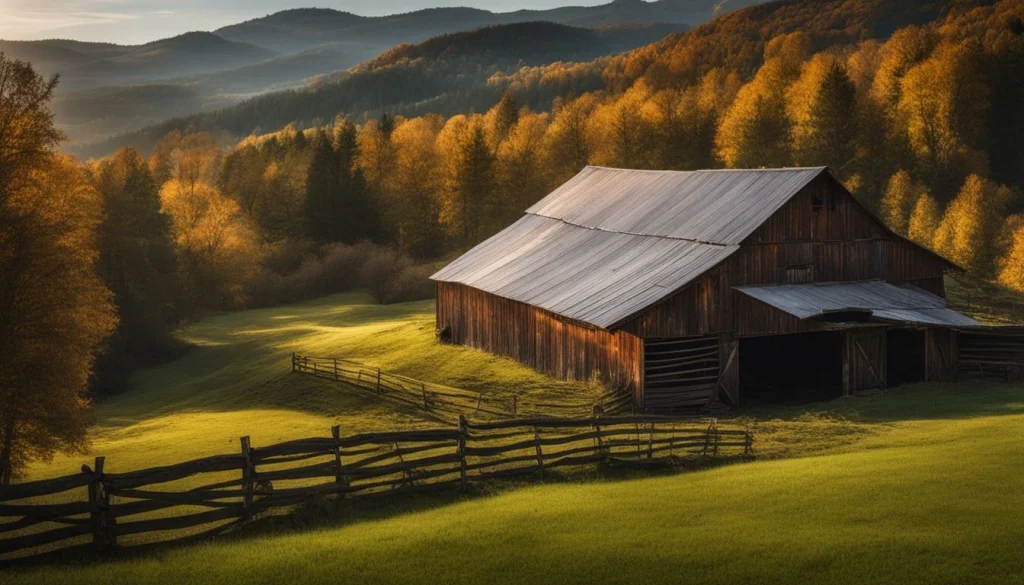
Metal roofing is a durable and versatile covering crafted from metallic materials, offering protective and aesthetic qualities for structures. It spans across various applications, including sleek surfaces for commercial hubs, cozy covers for homes, iconic designs in architecture, robust protection for agricultural facilities, and more—each benefiting from the unique strengths that metal brings to the table.
Commercial Buildings
Commercial buildings like hotels and schools choose metal roofs for many good reasons. These roofs are tough and last a long time, even over 50 years. They stand up well to bad weather and don’t rust easily.
This makes them a top pick for places that see lots of rain or snow.
Owners of offices and restaurants love how easy these roofs are to take care of. They also help save energy by keeping buildings cooler in summer. Plus, they’re kind to the planet because you can recycle them completely at the end of their life.
All these benefits make metal roofing a smart choice for any commercial space looking to cut costs and be eco-friendly.
Residential Projects
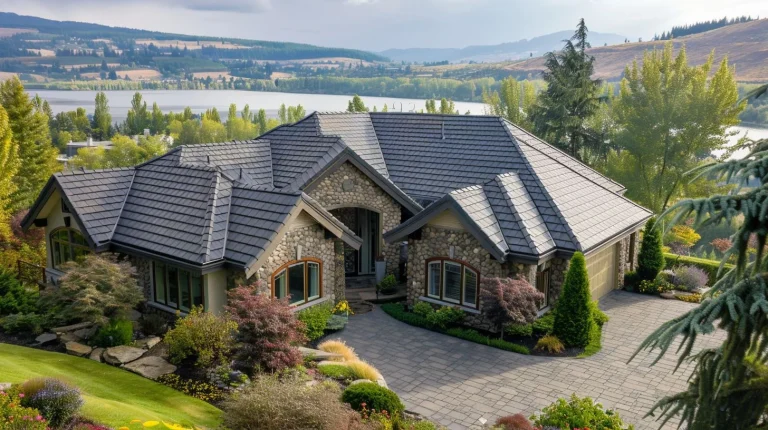
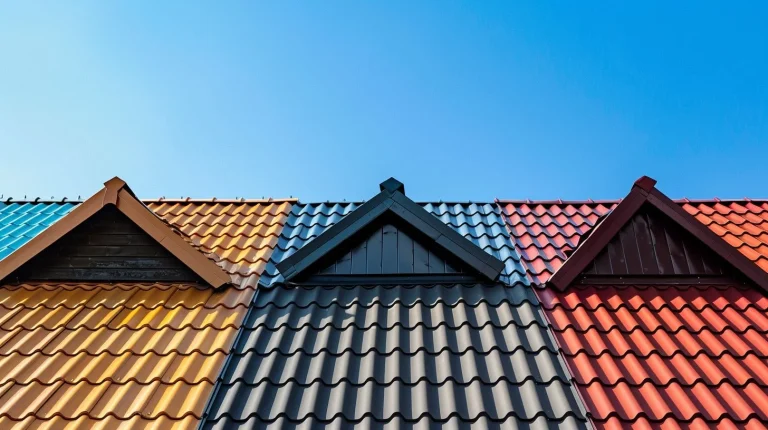
Homes with metal roofs stand out in any neighborhood. They offer a modern look and lots of personal choices. Homeowners can pick from different colors, shapes, and styles. This means each house can have its own unique roof that matches the owner’s taste.
Metal roofing is not just about looks, though.
It protects homes very well, especially in bad weather. The material makes heat bounce off and keeps houses cooler in summer. This helps families save money on air conditioning bills.
Because it lasts more than 50 years, people don’t have to worry about fixing their roofs often. Plus, metal roofing is good for the planet since you can recycle it when it’s time for a new one.
People who build or fix up agricultural buildings like barns or warehouses also love using metal roofing..
Architectural Projects
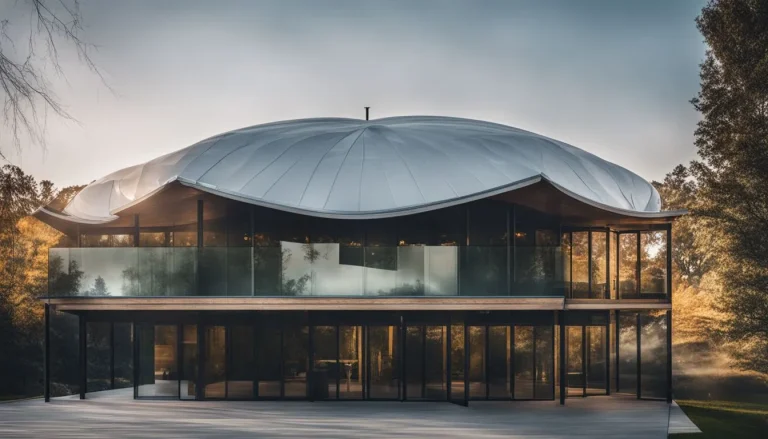
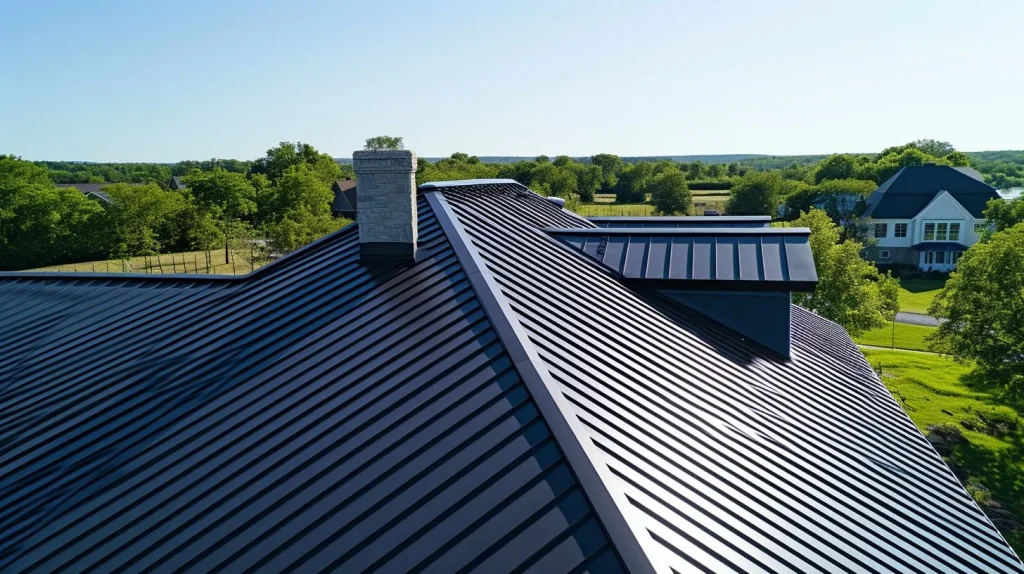
Architects love metal for its sleek look and design flexibility. Metal roofing brings together form and function, adding a modern touch to buildingswhile protecting them from the elements.
With options like copper in architecture or weathering steel, architects can create stunning rooftops that develop a natural patina over time. This look is especially popular on museums, libraries, and high-end homes.
Metal’s strength allows for bold architectural statements with long-lasting appeal. DECRA Metal Roofing stands out here—it combines industrial toughness with striking beauty since 1957.
You’ll see this durable yet stylish material on artistic structures everywhere! Now let’s delve into how metal roofs offer more than just good looks; they’re at the heart of some amazing structural uses too.
Structural Uses
Metal roofs shine in their structural uses, too. They’re strong enough to hold heavy snow without buckling. This makes them perfect for places with tough winters. They also resist high winds, keeping homes safe during storms.
Besides toughness, metal roofs are light on buildings. This means old structures can get a new roof without needing extra support. Next up, let’s talk about how farmers use metal roofing on their agricultural buildings.
Agricultural Buildings
Farmers choose metal roofing for their barns, storage units, and houses. It stands up against heavy rain, snow, and high winds. Sunlight doesn’t wear it down either. A metal roof keeps the inside of farm buildings dry and safe.
With metal roofs on top, agricultural buildings last longer with less fixing needed. They stop fire, insects, and rot from harming the structure. These roofs also help farms use less energy by keeping buildings cooler in the summer and warmer in winter.
Inside these structures, proper ventilation systems work better under a durable metal cover. Natural light comes through skylights built into the design of some metal roofs too. This makes the inside bright without extra lights during daytime hours.
History of What Is Metal Roofing
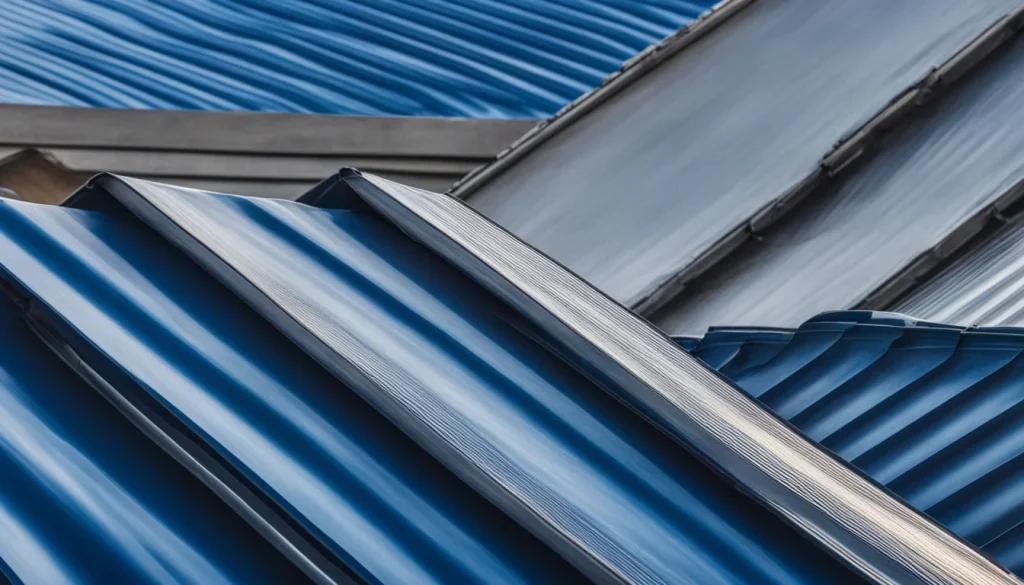
Metal has protected buildings for a very long time. People first used metal roofs in ancient times. They were rare and showed wealth and power, like on Rome’s Pantheon with its bronze tiles.
In the 1700s, things changed. Europe started using metal more for roofing, especially lead and copper. These materials topped famous places like Paris’s Notre Dame.
In the 1800s, America took note of Europe’s metal roofs. At this time, the U.S. began to use tin-plated iron. This type was called “tin roofing” back then and often covered churches or government buildings because it lasted a long time and looked grand.
By the late 19th century, metal roofing became more common thanks to better production methods. Factories could make larger quantities of corrugated galvanized iron sheets which brought costs down, making them accessible for homes too.
Roofing technology kept advancing over the years; new coatings gave even better protection against rusting and corrosion resistance – think zinc coatings! Today we see all sorts from stainless steel to aluminum roofs underlining just how far this durable material has come from its exclusive beginnings.
Types of What Is Metal Roofing

Delving into the world of metal roofing, you’ll find an impressive array of options that cater to various aesthetic preferences and functional needs. From the rugged appeal of corrugated steel panels to the sleek silhouette of standing seam profiles, each type brings its unique strengths to the table, ready for architects and homeowners alike to harness in their next project.
Metal Material Types
Metal roofs come in different materials to fit various needs and budgets. Each type offers unique benefits, from energy savings to durability.
- Galvanized Steel: This is steel coated with a layer of zinc for protection against corrosion. It’s one of the most popular what is metal roofing choices for metal roofing because it resists rust and can last for decades.
- Galvalume: Similar to galvanized steel, Galvalume is steel dipped in a mix of aluminum, zinc, and silicone. This combination makes it even more resistant to corrosion and is great for houses in harsh weather areas.
- Aluminum: Lightweight and rustproof, aluminum roofs are ideal for coastal homes because they stand up well to salt spray. They reflect sunlight away from the house, helping keep cooling costs down.
- Copper: Over time, copper develops a green patina that many find attractive. It’s extremely durable and can last longer than any other metal roof. Plus, copper is recyclable, making it an eco-friendly option.
- Zinc: A zinc roof not only self-heals scratches but also lasts an incredibly long time. Its natural properties allow it to resist corrosion beautifully.
- Stainless Steel: Known for its strength, stainless what is metal roofing steel won’t corrode or rust under nearly any environmental condition. It’s often used for modern and high-end architectural projects due to its sleek appearance.
Metal Roofing Panel Styles
Metal roofs are more than just sheets of metal on your house. They come in various styles that can make your home look great and stay safe from weather. Here are some popular metal roofing panel styles you might see:
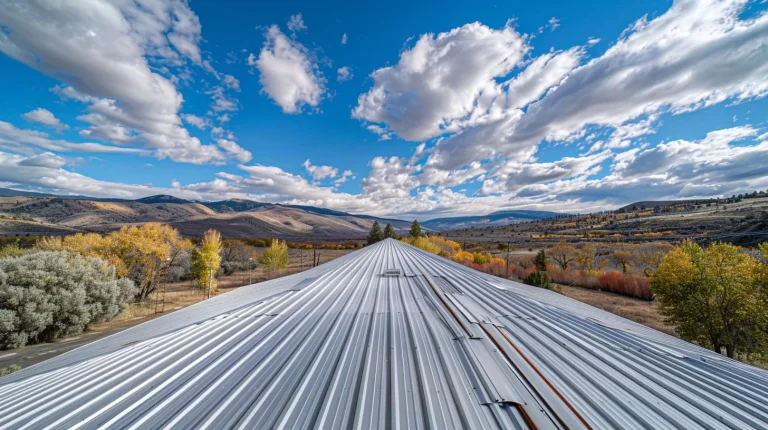
- Corrugated Metal: This style has a wavy pattern. It’s strong and works well for sheds and barns.
- Standing Seam Metal Roofs: These have long, raised seams where the panels join together. No screws show from outside, so it looks sleek.
- Ribbed Panel: It looks similar to corrugated metal but has more lines. This type is screwed in place and often used on commercial buildings.
- Tile Look-a-Like: Some metal panels can mimic the look of clay tiles. They give you the tile style without being as heavy.
- Shake Style: Designed to look like wood shakes, this style offers an old-school vibe with modern metal benefits.
Standing Seam Profile Options
Standing seam metal roofing brings both beauty and strength to a house. Different profiles make it easy to find the perfect look for any home style.
- Snap-Lock Profile: This type of standing seam roof comes with panels that snap together. It makes installation quick and easy. Roofs with a snap-lock profile are great for homes where speedy construction is key.
- Mechanical Seam Profile: For extra weather tightness, mechanical seams use special tools to crimp panel edges together. These roofs stand up against strong winds and heavy rain, making them ideal for places with harsh weather.
- Tee Panel Profile: With its distinct T-shaped seam, the tee panel offers a classic standing seam look. Its design stands out on what is metal roofing architectural projects, adding flair to the roof line.
- Nail/Fastener Flange Profile: A simpler system uses a nail or fastener flange to secure the panels. The installation process doesn’t need special seaming equipment, which can save time and money.

Common Metal Thicknesses
Metal roofing isn’t just about choosing a profile; the thickness of the metal is crucial too. Thicker materials often mean a sturdier roof, but let’s dive into what common metal thicknesses really look like.
- Gauge numbers are how we measure metal thickness. The lower the number, the thicker the metal.
- Most what is metal roofing use 22 to 26 gauge steel. This range is ideal for balancing durability with flexibility.
- Exposed fastener systems typically utilize 26 to 29 gauge material. These are more economical options.
- The thickest option at 22 gauge provides top-notch resistance against harsh weather and impacts.
- A mid-range 24 gauge offers a good mix of strength and cost-effectiveness for many homeowners.
- Choosing a lighter 26 or 29 gauge can save money on material costs, important if budget is tight.
- Climate plays a role; heavier gauges stand up better in areas prone to severe weather, like hailstorms.
- Finish and coatings also affect lifespan—thicker metals pair well with robust finishes for longevity.
Advantages of What Is Metal Roofing
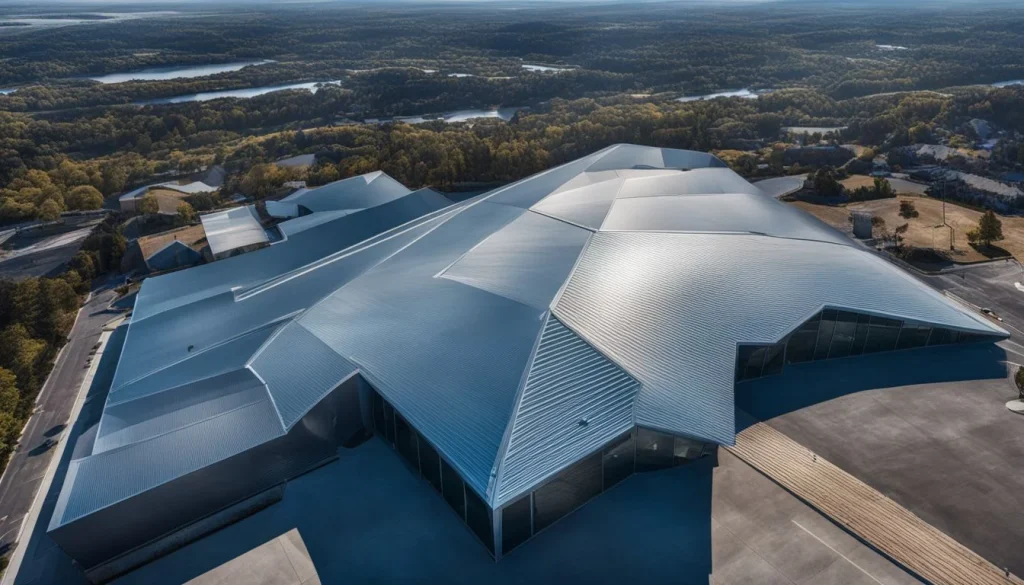
Peering into the world of roofing, we uncover the sterling advantages that have propelled metal surfaces to star status in the industry. Durability meets innovation head-on, offering an unrivaled ally against the elements and a sustainable nod to eco-conscious building practices.
Longevity
Metal roofing stands out for its impressive lifespan. Many metal roofs last over 50 years, easily outlasting traditional asphalt shingle roofs. With less need to replace or repair them, you save money and hassle in the long run.
Think about it: one metal roof or several what is metal roofing asphalt roofs over the same period? The choice seems clear—metal wins on endurance.
Durability comes next as a major player in the advantages of metal roofing.
Durability
Metal roofs are tough. They can take a beating from Mother Nature including heavy snow, strong winds, and intense sun. Imagine a what is metal roofing shield over your house; that’s what metal roofing provides with energy efficiency to boot.
It stands up to hailstorms without batting an eyelid and laughs in the face of hurricane-force winds.
This strength means you won’t have constant worry about repairs or replacements. With little maintenance needed, these robust rooftops keep their good looks for years on end—often more than half a century! Fire doesn’t stand a chance either; metal roofs resist flames better than most materials out there.
Your home stays protected and looking sharp—not just now but for many seasons to come.
Easy MaintenanceDurability isn’t the only perk; metal roofs are also a breeze to take care of. They won’t need much work over their lifetime, which can stretch past 50 years. The general upkeep for metal roofing is simple.
You might check for loose flashings or clean off any debris like leaves or branches now and then. Plus, those with hidden fasteners will make your life even easier—they’re lower maintenance than roofs with exposed ones.
Caring for these strong tops requires little more than an occasional inspection to ensure everything’s tight and right. This means you can spend less time on your roof and more time enjoying the peace of mind your sturdy, reliable cover brings.
Forget about frequent repairs or the headache of replacing shingles—your trusty metal guard has got it covered!
Eco-friendly
Metal roofs are not just easy to take care of; they also love the earth. They reflect heat, helping cut down on air conditioning use in your home. This saves energy and money, and it helps fight the heat island effect that makes cities hotter.
Metal roofing is a smart choice for anyone looking to go green with their building materials.
You’ll be happy to know metal roofs can be recycled too. When it’s time for a new roof, you don’t have to worry about adding waste to landfills. Instead, your old roof gets a new life at recycling centers.
Choosing metal means picking a sustainable option that keeps giving back long after it has served its purpose on your home or building.
Lower long-term cost
Metal roofing shines when it comes to saving money over the years. Think of it as a long-term investment that pays off. The materials hold strong for decades, often more than 50 years, without rusting or falling apart.
This means less cash spent on fixing and replacing stuff up there.
Insurance companies dig metal roofs too—they’re known to cut deals on premiums for houses sporting this durable armor. Every penny saved adds up, giving homeowners extra budget space they wouldn’t have with standard shingles.
Plus, these roofs require little work to keep them in tip-top shape, which also trims down the bills over time.
Fire, Rot, and Insect Resistance
Metal roofs stand strong against many dangers. Fires can’t beat them, because they are almost fireproof. This makes metal roofing a top pick for places where wildfires happen often.
Also, these roofs don’t rot. Time and weather won’t make metal roofs turn weak or crumble away like some other materials might.
Bugs that eat wood, like termites, won’t bother what is metal roofing your metal roof either. That means it stays tough and lasts longer without pests causing trouble. Now let’s look at how energy efficient a metal roof can be for your home or building.
Energy efficiency
Beyond being fireproof, metal roofs can slash your energy bills. They reflect the sun’s heat instead of absorbing it like asphalt shingles. This means your air conditioner doesn’t have to work as hard during hot summer days.
Homeowners notice a drop in cooling costs by up to 25%. It’s not just about saving money; you’re also helping the environment by using less energy.
Insurance companies often give discounts to homes with metal roofs. They know these roofs are efficient and durable, making them a smart investment over time. So, while you spend less on energy, you may also pay less for insurance—a double win for savvy homeowners looking for long-term savings.
Comparing Metal Roofing and Traditional Roofing Materials
When exploring roofing options, it’s important to understand how metal roofing stacks up against traditional materials. This comparison highlights some of the fundamental differences.
| Feature | Metal Roofing | Traditional Roofing Materials |
|---|---|---|
| Longevity | Can exceed 50 years without degradation or corrosion. | Typically lasts between 15-30 years, depending on the material. |
| Durability | Resists strong winds, rain, hail, and is fire-resistant. | May be susceptible to damage from extreme weather and fire. |
| Upfront Cost | Higher initial investment but more cost-effective over time. | Lower initial cost, but may require more frequent replacements. |
| Maintenance | Low maintenance requirements. | Often requires regular maintenance and inspection. |
| Energy Efficiency | Can reduce cooling costs by up to 25%. | Less energy-efficient; may lead to higher cooling costs. |
| Environmental Impact | 100% recyclable, often made from recycled materials. | Recycling rates vary; some materials are not environmentally friendly. |
| Weight | Lighter, reducing stress on load-bearing structures. | Often heavier, can require stronger structural support. |
| Home Value Impact | Can increase home value by up to 6%. | Impact on home value varies; generally less significant than metal. |
| Appearance | Modern and sleek, with various style and color options. | Traditional aesthetic; style and color options are material-dependent. |
Metal roofing clearly outshines traditional materials in several key areas, including lifespan and eco-friendliness. Homeowners and builders tend to favor it for its long-term benefits despite the higher upfront cost. It’s a forward-thinking choice in today’s construction landscape, marrying performance with sustainability.
What Is Metal Roofing Installation
Getting your metal roof installed is a critical step that can make or break its performance. Trusting this task to seasoned professionals ensures that every sheet, panel, and screw aligns perfectly for a watertight seal and years of worry-free protection over your head.
Over existing roofs
Putting a metal roof over your old one is like giving your house a new hat without throwing away the old one. It’s quick and doesn’t fill up the yard with waste from torn-off shingles.
You do need to check with local rules first though, because each place has its own way of handling roofs.
Metal roofs slide right on top of what’s already there. They’re friends with most materials beneath them, but it’s best to have pros do it. They know how to use special sealants and follow steps ensuring everything stays dry and cozy inside.
It’s not just about layering up; they make sure your roof won’t groan or leak when storms hit town!
By professionals
Installing metal roofing is a task best left to skilled professionals. They have the tools, knowledge, and experience for safe and precise work. These experts ensure that every panel aligns correctly, seams are tight, and fasteners are securely in place.
Professional installers also handle complex parts of the job like flashing around chimneys or ventilation systems without causing leaks.
Professionals understand how different materials react to weather changes. Metal expands and contracts with temperature shifts; pros account for this during installation to avoid future problems.
They use sealing compounds and caulking to safeguard against water damage as well. With their expertise, you can trust your metal roof will be durable, effective, and properly fitted.
Potential Downsides to Metal Roofing
While metal roofing boasts a bevy of benefits, it’s not without its quirks—think rumbles during rainstorms or dents courtesy of an angry hail sky. And if you’re partial to stealthy ventilation, the more prominent ridge vents on a metallic canopy might just catch your eye..
and not in the way you hoped.
Noise
Metal roofs can be noisy during storms. Rain and hail hitting the surface may sound loud, especially with heavy hailstones. The echo in your atticamplifies this noise. It’s louder than shingled roofs, which can bother some people.
Good insulation cuts down on the racket a metal roof makes. Underlayment beneath the panels also helps to mute sounds. These layers act like cushions, softening the clatter of rain and hail on your home’s top layer.
Damage from severe hail
Severe hail can leave its mark on a metal roof. Hailstones pounding against the surface might cause dents. These dents are more than just unsightly; they can also weaken your roof’s overall integrity.
If the protective finish gets damaged, there is a higher risk for rust and corrosion, especially in materials like copper roofs and corrugated galvanized steel.
Hail damage on metal roofing demands quick action to avoid leaks and further harm. You’ll need to inspect your roof after heavy storms or rely on professional assessments. Occasionally, entire panels may have to be replaced if they’re too beaten up from hail’s impact.
This could mean an unexpected expense but keeping up with repairs helps maintain the durability that makes metal roofing such a strong choice in the first place.
More obvious ridge vents
While hail can leave its mark, installing metal roofs with more visible ridge vents tackles another challenge – proper ventilation. These vents make a big difference in airflow and roof performance.
They let hot air escape from the attic, keeping your home cooler in summer. In winter, they prevent ice dams by letting the warm, moist air out.
Ridge vents on metal roofs are not just practical; they’re smart upgrades. They help stop heat buildup and keep moisture away. This means your metal roof works better and lasts longer.
It’s important to have them installed correctly for the best results.
Conclusion
Metal roofing stands as a robust choice, blending durability with style. It shines in both function and form—lasting decades while making buildings look sharp. Think green too; it’s kind to the planet, with plenty of recycled content.
Consider it a wise investment for your roof—protecting against harsh weather and cutting energy bills. Sure, metal makes noise in a storm, but its merits echo much louder over time!
FAQs
1. What is metal roofing, and why do people use it?
Metal roofing is a durable material for covering the top of a building. It’s made from steel or aluminum sheets and can last a long time. People like it because it stands up well to weather, including heavy rain and snow.
2. Can you put solar panels on metal roofs?
Yes, you certainly can! Solar panels work great on metal roofs, especially with thin film solar options that are lightweight and easy to install—like sticking them right onto standing-seam metal roofing.
3. How does metal compare to other roof materials?
Compared to things like wood shingles or plastic covers, metal roofing often lasts longer and needs less fixing over time. It’s tough stuff—steel industries have made sure of that—and it resists fire too!
4. What makes standing-seam metal roofing special?
Standing-seam systems are super strong because they lock together in raised seams that keep out water really well – think waterproofing power! No need for as many rivets or tube-shaped bits (seams) showing on the top either—it looks neat.
5. Are there eco-friendly benefits to choosing a metal roof?
Absolutely! Metal roofs reflect sunlight which keeps houses cooler—this means using less air conditioning energy in hot weather. Plus, when the roof’s life ends, its materials—a mix of iron smelting leftovers called scraps—are recyclable.
6. Can having a metal roof protect your home better than other types?
Yep! Metal roofs are good at shielding against lightning strikes since they spread out the electricity safely instead of letting it catch fire if struck—zinc metals act kind of like a protective coat against corrosion from those bolts!