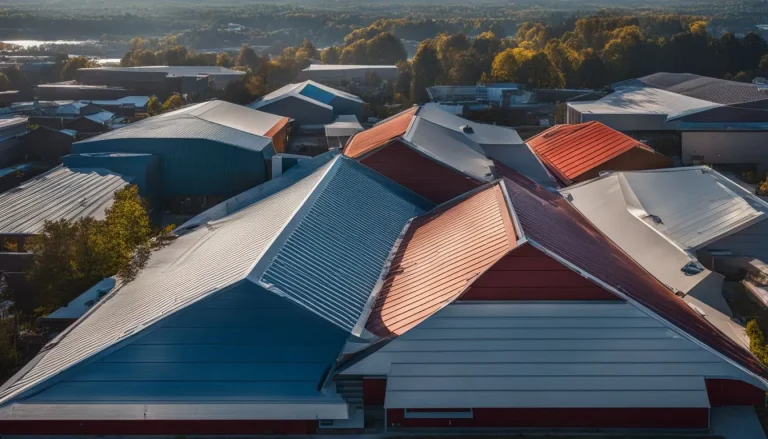
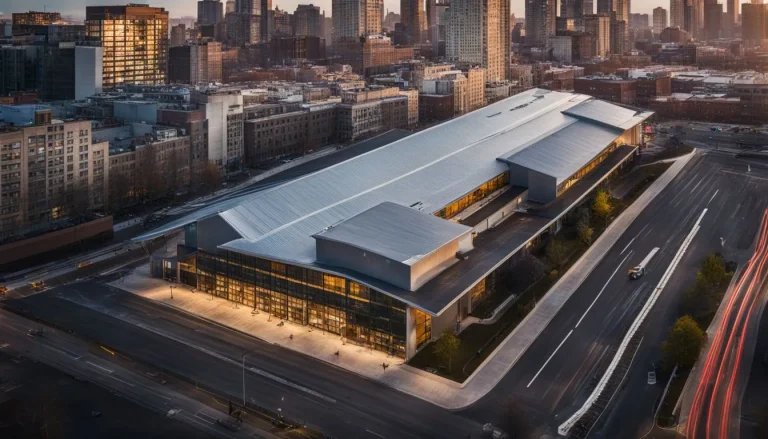
Understanding The Standing Seam Definition: A Guide To Metal Roofing Systems 2025

Deciding on the right roof can be tough, especially when it’s about choosing a durable and sleek design. That’s where standing seam metal roofingsteps in, boasting its seamless look and hidden fasteners that homeowners love.
Our guide unpacks this roofing option piece by piece, helping you make an informed decision with ease. Let’s dive in—and discover why metal might just top your home!
Understanding Standing Seam Definition

Jumping right into standing seam metal roofing, let’s break it down to what it really means. This type of roofing features long, sleek panels that run from the edge of the roof all the way to the top.
The seams between panels stand up tall—hence “standing seam.” These vertical legs lock together in different ways, which keeps water out and adds strength.
The benefits shine brightly too! Standing seam roofs are like armor for your home with their tough metal sheets. They’re built to handle harsh weather without leaking or rusting. Plus, they snap together with a special snap-lock system or get pinched tight by machines called seamers.
What you get is a sturdy roof that lasts decades longer than traditional asphalt shingles—all while helping keep your energy bills down because they reflect heat so well.
Elements of a Standing Seam Definition

Standing seam metal roofs are known for their durability and sleek look. They feature a unique design that secures the panels together without visible screws.
- Hidden Fasteners: These keep the roof surface smooth and help prevent leaks. No screws show on the surface, which also improves curb appeal.
- Metal Panels: They are long, with raised seams that lock together. The panels can be made from different metals like galvanized steel or aluminum.
- Seams: The raised parts that connect two panels together are called seams. They stand up above the level of the roofing panel.
- Clips: These are used to attach each panel to the roof deck. There are three kinds: fixed, slider, and floating to allow for expansion and contraction.
- Accessories: Flashing, gutters, and gasket keep water from entering at edges and joins. They work with the metal panels to protect your home.
- Underlayment: It’s a water-resistant layer between the metal roofing and sheathing. Helps protect against moisture damage.
- Finishes: Many standing seam roofs come with a polyvinylidene fluoride finish to guard against fading and chalking.
- Striations or Rib Rollers: Adding these designs helps minimize oil canning by giving strength to the flat areas of the panels.
Types of Standing Seam Panel Profiles

Delving into the world of metal roofing, we encounter a variety of standing seam panel profiles, each with distinct features and installation methods that cater to different structural needs and aesthetic preferences; keep reading to find out how these could elevate your next roofing project.
Snap-LockSnap-Lock panels give your roof a smooth, clean look and are pretty easy to install. Roofers just snap these metal panels onto clips fixed to the rooftop. That’s all there is to it – no special tools or lots of screws needed.
This type makes installing a metal roof faster than other types, which can save you money on labor.
Since Snap-Lock doesn’t need much screwing down, there are fewer holes in your roof. Fewer holes mean less chance for water to sneak in and cause trouble. Your roofing investment stays strong because Snap-Lock keeps things tight and right without extra rivets and fasteners that some other systems use.
Mechanical Seam
Mechanical seam panels need special tools for installation. Roofers use hand crimpers or a mechanical seamer to join the panel edges tightly together. This makes the roof very strong and leak-resistant.
Different from Tru Snap panels, mechanical lock profiles require more skill for installing. Adding striations helps prevent oil canning on these metal roofs. For areas with tough weather, this type is ideal due to its durable seal.
Nail/Fastener FlangeNail flange panels make metal roofing a breeze for do-it-yourself fans. They come with a special strip that allows you to nail or fasten them directly to the roof’s surface. This saves time and hassle, making it a go-to choice for weekend warriors tackling their own rooftops.
You won’t need fancy tools, just your trusty hammer or drill.
These panels also offer rib height options, giving you the flexibility to pick what suits your home best. Their design is smart and straightforward—line them up, secure them down, and voilà! Your metal roof takes shape before your eyes.
It’s no wonder these panels are flying off the shelves at big box stores everywhere.

Batten Panel
Moving from the simplicity of nail flange panels, we come to batten panels—a roofing option that presents its own unique benefits. These panels work well with Tru Snap panel systems and offer custom lengths for greater design flexibility.
Batten panels add a distinctive look to metal roofs while providing extra stability. This helps keep the roof surface smooth because they reduce oil canning, which is when metal appears wavy or distorted.
Batten panel roofing involves raised seams where two panels come together; a cap fastens over this seam for added protection against the elements. This system secures the roof tightly and suits various architectural styles, making it both practical and visually appealing.
They latch onto support with ease, bringing robustness to your standing seam metal roof without compromising on style.
Advantages of Standing Seam Definition
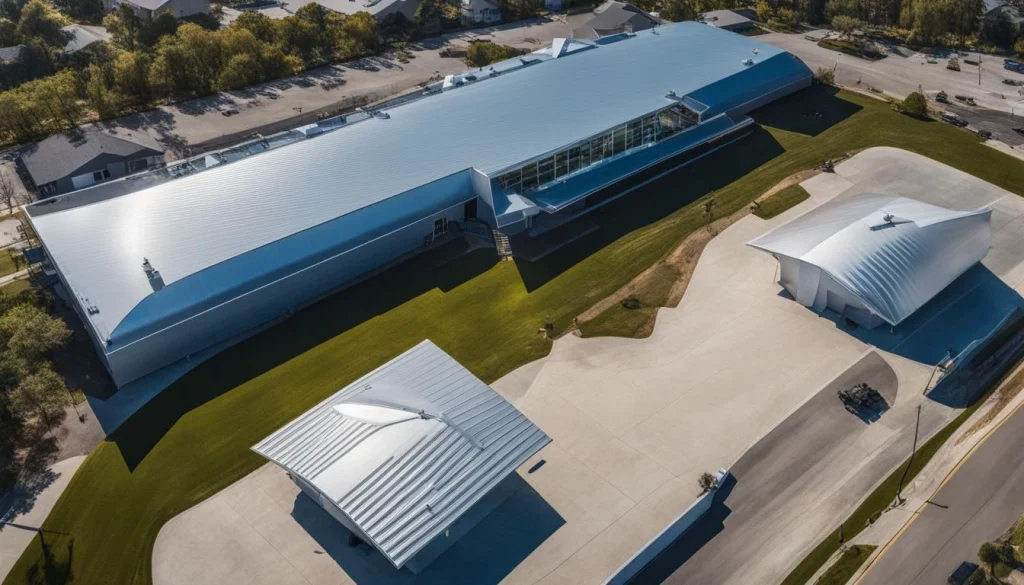
Standing seam metal roofing brings several key benefits to a home. It combines durability with a modern look that many homeowners love.
- Long Life Span: Expect your standing seam metal roof to last a long time. With proper care, these roofs can last from 30 up to even 100 years without needing a paint finish.
- Low Maintenance: Once installed, standing seam roofs need very little care. You’ll only have to check around places where things like pipes come through the roof.
- Energy Efficiency: Metal roofs reflect the sun’s rays, which keeps homes cooler. This means lower costs for cooling your house using fans or swamp coolers.
- Increased Home Value: A new standing seam roof could boost your home’s value by an average of $23,163. This makes it an investment that pays back well over time.
- Weather Resistance: These roofs stand strong against harsh weather. They shed rain and snow easily and aren’t damaged by lots of sun exposure.
- Eco-Friendly Option: Standing seam roofing is often made from recycled materials. Plus, you can install solar panels on them without making holes in the roof.
- Warranty Protection: The painted finish that comes with these panels has a 30-year warranty. This helps keep the color bright and protects against weather damage for decades.
Disadvantages of Standing Seam Definition
Standing seam metal roofing brings a sleek look to your home, but it has its downsides. They might affect your decision, so let’s take a look at those drawbacks.
- High initial cost: Metal roofs, especially standing seam types, cost more up front than other roofing materials like concrete or asphalt. You’ll spend more when you choose this option.
- Tricky installation: Putting in a standing seam roof is not simple. It’s best done by pros who know how to handle the rollforming and precise fitting required.
- Repair challenges: If you get a dent or damage on your metal roof, fixing it isn’t easy. The entire panel might need replacing instead of just a small part.
- Noise issues: During heavy rain or hail, standing seam roofs can be noisy. The sound of weather hitting the metal panels is louder than with other roofs.
- Expansion and contraction: Metal moves with temperature changes. This means that standing seam roofs can shift slightly over time, which may cause issues if not installed correctly.
- Limited availability of professionals: Not every roofer can install a standing seam roof well. Finding an expert who can do the job right might take time and could cost more.
- Compatibility with house style: While often seen on modern homes, standing seam roofs may not suit the aesthetic of traditional houses as well.
- Potential for oil canning: That slight waviness in flat areas of metal roofing is called oil canning. Though adding striations can help reduce this effect, it remains a concern for some homeowners.
The Role of Budget in Choosing a Standing Seam Definition
Metal roofs are an investment, and budget plays a key role in your decision. Costs vary based on thickness, durability, and type of standing seam panel you select. Thicker gauges offer more protection but come with a higher price tag.
This means the more you invest upfront, the sturdier your roof will be against elements like rain or hail.
It’s not just about initial costs though – think long-term benefits too! Metal roofing can reflect radiant heat which keeps homes cooler. This energy-efficient feature could save money on cooling bills over time.
Pick what best fits your financial situation now while considering potential savings down the road.
Maintenance Requirements for Standing Seam Metal Roofs
Standing seam metal roofs stand out for their durability. They don’t need much work to keep them in good shape once they’re up on your house. Just a quick look every year or so can help catch any issues before they grow.
This regular check is key to making the roof last longer.
The finish on these metal panels usually has a 30-year warranty because of the Kynar 500 paint, which keeps the color bright and protects against weather damage. You get peace of mind knowing that both the performance and appearance will hold up over time without constant upkeep.
The Influence of Roof Slope/Pitch on Roof Choice
The slope of your roof affects which type of Standing Seam metal roofing you can use. A flat roof or a low-sloped one may need certain profiles like Snap-Lock or Mechanical Seam to handle water runoff effectively.
These designs work well because they lock tightly and resist leaks. On the other hand, roofs with a sharper angle often pair better with striated panels. Striations add rigidity and help prevent oil canning, which is when metal looks wavy due to uneven expansion and contraction.
Roof pitch matters for how these panels are put together during installation as well. Roofs that have more slant require extra safety measures and equipment when installing Standing Seam systems.
This ensures workers stay safe while fitting each piece precisely. Choosing the right panel profile for your roof’s pitch not only makes sure it looks good but also makes sure it lasts longer without problems.
Next up, let’s consider why having professionals install your metal roof is vital for its success.

The Importance of Professional Installation
Installing a Standing Seam roof isn’t a simple DIY project. It needs special tools and skills that only professionals have. These experts know how to handle metal roofs so they last longer and protect your home better.
They can spot troubles before they get worse, saving you money over time.
A good team will use the right screws and sealants to keep everything tight and leak-free, even on flat roofs where water doesn’t run off quick. Now moving on, let’s talk about making your metal roof look great with some style tips!
Aesthetic Considerations for Standing Seam Definition
Right after ensuring your standing seam metal roof is installed by professionals, think about how it will look. These roofs can give your building a modern edge with their clean lines and variety of colors.
Choose from traditional silver or go bold with reds, blues, or greens to make a statement.
The beauty of these roofs isn’t just skin deep; they can also feature unique textures. Look at striated panels for a more refined appearance that hides imperfections like oil canning.
Consider panel widths too — narrow for a sleek feel or wide for a bolder impact. Remember, the visual appeal of your roof matters as much as its strength and durability.
Understanding Weathertight Warranty Requirements
Weathertight warranties are like a promise to keep your building dry. These special promises come with standing seam metal roofs, but mostly for places like stores or office buildings.
It’s important because it shows that the roof maker trusts their product in all kinds of weather. To get this kind of warranty, you must have professionals install the roof.
Having a weathertight warranty means your roof can protect against rain and snow without leaking. Remember, these warranties help when you’re worried about storms damaging your business place.
They often don’t exist for homes though. Standing seam roofs let buildings move when they heat up or cool down without hurting the roof, which is part of why companies trust them enough to offer such strong warranties.
Standing Seam vs. Exposed Fastener Metal Roofing: A Comparison
Moving from the intricacies of weathertight warranties, let’s pivot our focus to the differences between Standing Seam and Exposed Fastener Metal Roofing systems. These two options are at the forefront of metal roofing choices, each with distinct features that cater to varied preferences and requirements. Below is a comparative glance to help delineate the two:
| Aspect | Standing Seam Definition | Exposed Fastener Metal Roofing |
|---|---|---|
| Fastening System | Concealed fasteners provide a sleek look and better protection against the elements. | Fasteners are visible and penetrate through the roof panel, potentially allowing for water ingress over time. |
| Aesthetics | Offers a modern, streamlined appearance with various profile and color options. | More industrial in look, with fewer customization options. |
| Installation Complexity | Typically requires professional installation due to specialized techniques. | Easier to install, often suitable for adept DIYers. |
| Cost | Higher initial investment but can result in longer-term savings. | More budget-friendly up front, yet may incur higher maintenance costs. |
| Durability and Maintenance | Low maintenance needs; panels can expand and contract with temperature changes without compromising the roof’s integrity. | Requires regular maintenance to ensure the exposed fasteners remain sealed and secure. |
| Longevity | Can last over 50 years with proper installation and maintenance. | Typically has a shorter lifespan due to potential fastener issues. |
| Performance in Extreme Weather | Excellent performance, as there are no exposed fasteners to weaken during high winds or heavy rains. | May be more susceptible to leaks and damage in harsh weather conditions. |
| Oil Canning Potential | Striations and proper installation can reduce the risk of oil canning. | Less prone to oil canning but may still occur depending on the material and installation quality. |
| Home Value Impact | Can increase home value significantly due to its durability and curb appeal. | May not have as strong an impact on home value compared to standing seam options. |
Both options have their place in the world of metal roofing, and the choice often boils down to a balance between upfront costs, aesthetics, and long-term performance expectations.
Conclusion
Standing seam metal roofs bring style and durability to the table. They handle tough weather like champs and last a long time. Sure, they cost more upfront, but their long life makes up for it.
Trust pro installers to get it right – your roof will thank you. Remember, a great metal roof starts with understanding standing seams!
FAQs
1. What exactly is a standing seam in metal roofing?
A standing seam is when the edges of the metal roofing panels join together raised above the flat surface. This means water can’t slip through, keeping your roof safe from leaks.
2. Why pick standing seam roofing for cool climates?
Standing seam roofs reflect sunlight, which helps keep buildings cooler. It’s great because it means you’ll cut down on air conditioning costs and stay comfy.
3. Can I trust my standing seam roof to last in harsh weather?
You sure can! Rollformed from tough materials, these roofs aren’t easy to corrode – even when faced with rain or snow.
4. Do I have to worry about screws showing on my metal roof?
Not at all – with a standing seam system, all those screws are hidden away so they don’t mess up your roof’s look or let any water sneak inside.
Click for more information about Understanding The Standing Seam Definition.