
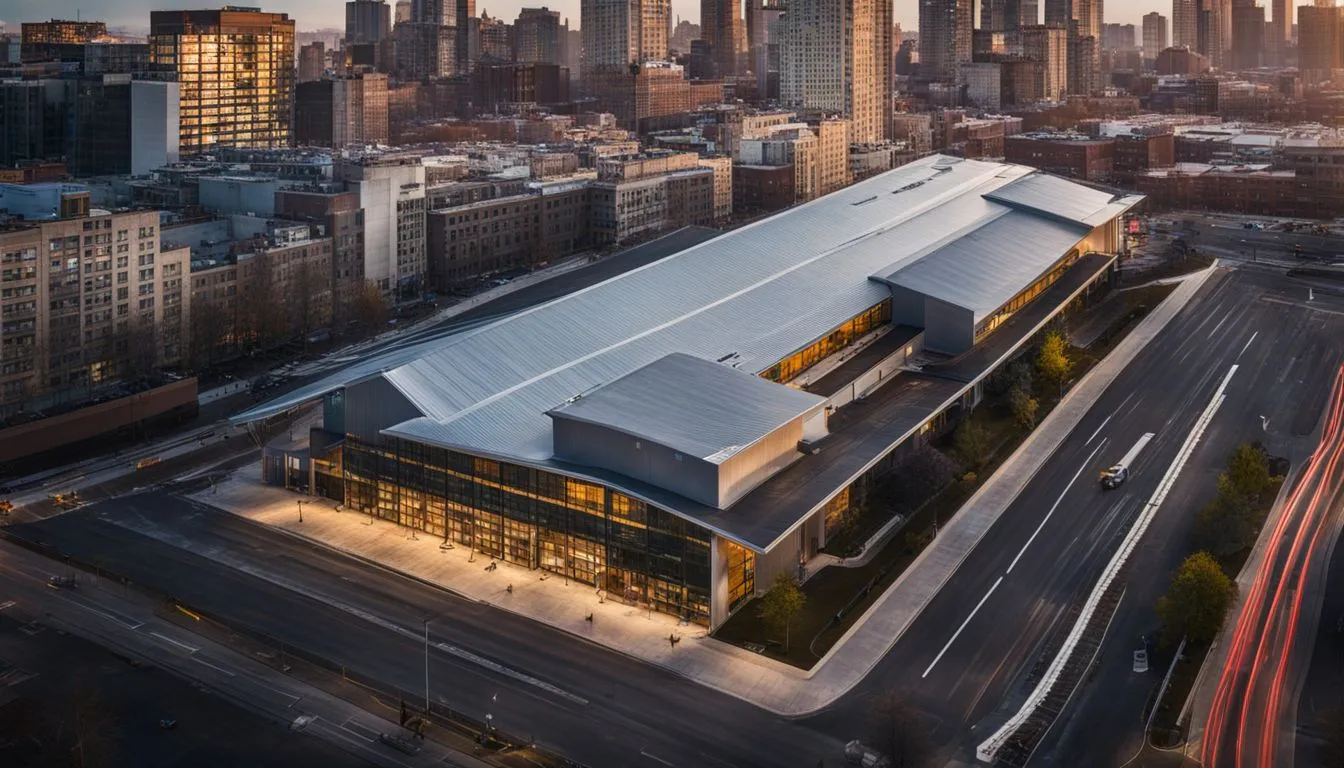
What Is A Standing Seam Roof System 2025
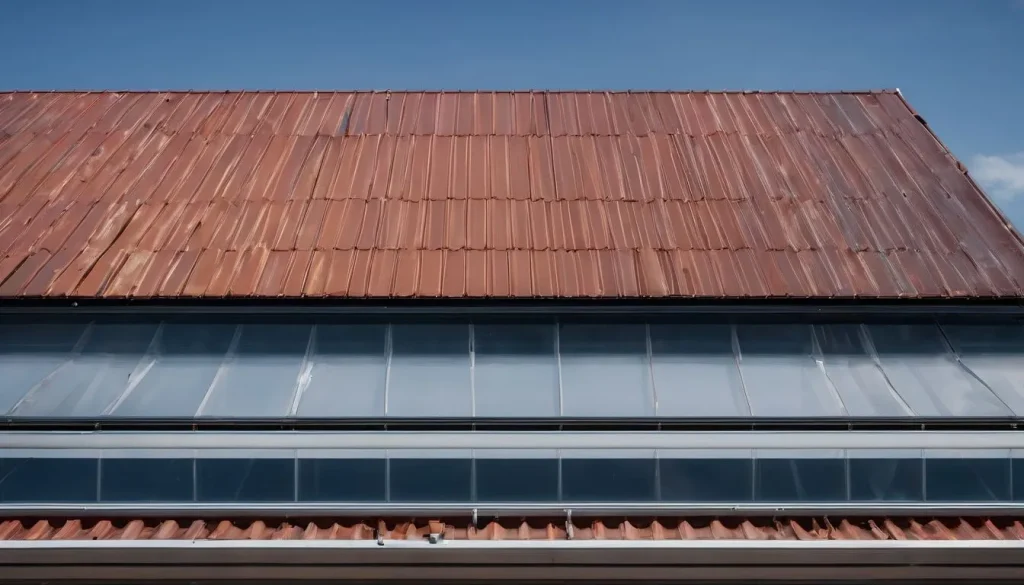
Frustrated with a leaky roof or faded tiles? Standing seam metal roofing might just be the solution you’re searching for. This modern roofing optionhides screws from view, ensuring a clean, sleek appearance that lasts years.
Our guide will walk you through its structure, benefits, and potential drawbacks to see if it’s the right fit for your home or building. Get ready to transform your rooftop into a durable, stylish crown.
Understanding Standing Seam Roof System

Dive into the world of what is a standing seam roof system, a premium solution that marries sleek design with robust protection. This type is defined by its interlocking seams that elevate and lock panels together, creating a continuous, unpenetrated surface – it’s the armor your building never knew it needed.
Snap-Lock Profiles
Snap-lock profiles make putting together a metal roof quick and easy. They click into place like puzzle pieces, which means less time working on high ladders or scaffolding. This type of profile is perfect for roofs with a slope of 3/12 or more, making it versatile for different house designs.
Not only do they save on labor costs, but snap-lock systems also create smooth lines across the roof. Their clever design hides screws so your roof stays looking neat and clean. Plus, you won’t have to worry about finding screw holes years later—the concealed fasteners keep everything tight without puncturing the surface too much.
Mechanical Lock Profiles
Mechanical lock profiles are a key part of standing seam metal roofs. They use special tools to join the panels tightly. This makes the roof strong against extreme weather. Workers crimp the edges with a hand seamer or a roof seamer.
These profiles come in two types: single-lock and double-lock. Single-locks have one fold, while double-locks have two. Both kinds keep water out and help your roof last longer. But they need skilled workers to install them right.
The pros use rollforming machines on-site for perfect fits every time.
Using mechanical locks means no screws show on your roof’s surface. This keeps it looking clean and sleek. It also stops leaks because there aren’t any holes from screws or rivets where water could get in.
Remember, these systems are great for places with lots of wind, snow, or rain. They can handle it all without giving you trouble!
Batten Panel Profiles
Batten panel profiles bring together the beauty and strength of metal roofing. They work by rollforming two edges that fit snugly side-by-side. Then a metal cap covers these edges, making a tight seam.
This technique has options like tee seams or snap caps. Each option offers unique levels of protection against rain and wind.
Choosing batten panels means roofs can handle all sorts of shapes and weather. They’re designed for flexibility and durability—with proper installation, they look great for years! Plus, the ease of replacing or repairing them in the field makes maintenance simpler than ever.
Now let’s talk about “Nail Flange or Fastener Flange Profiles.”.
Nail Flange or Fastener Flange ProfilesNail flange profiles make roofing installation simple. You fasten them directly to the roof deck. The panels’ design lets you hide the screw heads for a clean look. It’s all about snapping the female leg of one panel over its mate.
This hides any sign of attaching and screws, giving your roof a smooth finish.
Fastener flange systems are often seen on houses because they save money. But they have some limits too. They what is a standing seam roof system must follow the shape of your roof deck, which can be tricky if it’s not perfectly flat or straight.
If your home is in an area with lots of rain or snow, these might not work as well due to low slopes being an issue. For these roofs, every detail counts—from materials like stainless steel or aluminum to making sure they meet local building codes and weather needs.
Key Features of Standing Seam Roof System

Discover the hallmarks that set standing seam metal roofing apart — think flawless design mixed with peak functionality; these key features not only define its sleek, modern look but also bolster its unmatched durability and performance, ensuring your roof can stand up to the elements — curious to see how? Keep reading and let’s delve into what makes this system shine in both form and function.
Panel Widths
Panel widths on standing seam metal roofing are typically between 12 and 18 inches. These sizes aren’t just for looks; they also impact how well the roof performs. Narrower panels can make a big difference in places with strong winds or lots of snow.
They can help your roof stand up better to extreme weather conditions.
Wider panels might be chosen for their modern look. But, it’s important to get them installed right to avoid issues like oil canning — that’s when the metal looks wavy or buckled.
The correct width helps manage this effect and ensures your roof always looks sharp.
Seam HeightsSeam heights play a big part in the strength and look of your roof. These stand up parts of the panels range from 1 to 3 inches tall. Taller seams can be better at keeping out water, especially on low-slope roofs.
They also add to the modern style of your building.
Choosing a seam height is about looks and how well it works for your place. Mechanical lock profiles may need different seam heights based on where you live and how steep your roof is.
This choice affects how we put up the roof and how it holds up over time. It’s all about matching the right design to your setting for the best performance.
Striations, Stiffening Ribs, or Rib RollersStriations give metal roofing panels extra strength and help them stand up to weather like heavy rain or snow. These narrow grooves are pressed right into the sheet metal, making the roof tougher against bending or denting.
They also cut down on glare from the sun, which can be a big plus.
Stiffening ribs take things up a notch by adding raised lines along the length of each panel. Think of these ribs as reinforcements that keep your roof looking smooth and even over time — they fight off oil canning (that’s when your panels look wavy) and add some serious structure.
And those rib rollers? They’re key players in roll forming these features onto each panel, ensuring every one looks just as sturdy and sleek as the last.
Thicknesses
Metal panels for standing seam roofing come in different thicknesses. The most common is 24-gauge Galvalume®. This gauge offers a sturdy balance, strong enough to resist dents and weather damage.
Choosing the right thickness affects your roof’s performance and durability. Thicker metals can stand up better over time but they may also cost more. Next, let’s take a look at how panel widths play a role in standing seam metal roofs.
Advantages of Standing Seam Metal Roofing

Standing seam metal roofing brings a robust suite of benefits to the table that extends beyond its sleek visual appeal. Let’s delve into these advantages, which range from protecting against the elements to energy conservation, making it a top-tier choice for modern roofing solutions.
No Exposed Fasteners
Standing seam metal roofs hide all their fasteners. This makes the roof look clean and smooth. The hidden screws also keep water out better, so there are fewer leaks. Strong winds can’t pull off any parts because everything is safely tucked away.
This kind of roof lasts a long time because it’s built to fight off bad weather.
Homes in windy places really benefit from this feature. The secure fasteners help the roof stay put during storms or hurricanes. People choose standing seam metal roofs for a safe, sturdy top that keeps looking good year after year.
Allows for Thermal Movement
Just like our world, metal expands and contracts with changes in temperature. Standing seam roofing is made to handle this movement without cracking or breaking. This design lets the panels move a bit as they get hot in the summer or cold in the winter.
The clever way these roofs are put together means your home stays safe and snug all year round. The panels have special clips that let them slide back and forth a little. You won’t see buckles or warps on your roof because it can flex with the weather’s ups and downs.
It keeps your house looking great no matter how much the temperatures change outside!
Longevity & Lifecycle
Standing seam metal roofs shine when it comes to lasting a long time. They have an average lifetime of 40-70 years, which outshines materials like shingles that only last about 20-30 years.
The secret to their durability lies in the hidden fastener system they use. This smart design keeps fasteners away from weather and wear, avoiding common problems like rust or installation errors.
These roofs stay strong against rain, snow, and even radiant heat from the sun. Because of this tough build, homeowners enjoy peace of mind knowing they won’t need a new roof anytime soon.
Not having exposed screws means less maintenance and fewer worries over time. Standing seam systems make sure your roof is both sturdy and stylish for decades.
Energy-Efficient
A standing seam roof system shines in saving energy. It reflects the sun’s heat, meaning your air conditioner can take a break and you save money on cooling costs. The design also promotes better air flow over the roof, keeping things cool naturally.
This balance keeps your building comfortable with less work from your HVAC system.
Plus, many of these roofs come with a reflective coating. Think of it as sunscreen for your house or office—it bounces back sunlight and fights off heat like a champ! Ready to go green? These metal tops are perfect pals for solar panels.
They’re easy to pop on without drilling holes, which means more savings and clean power for you!
Disadvantages of Standing Seam Roof System

While standing seam metal roofing is celebrated for many of its outstanding features, it’s important to acknowledge that it doesn’t suit every situation—it comes with a price. Before you sign off on this high-end roofing option, let’s unpack some considerations that might give you pause—cost accumulation and installation intricacies are just the tip of the iceberg..
Higher Cost
Standing seam metal roofing is pricier than other options. Materials and installation drive up the cost. You pay more for durability and the sleek look standing seams provide. Think of it as an investment in your home or building.
Contractors might charge you a premium too. They use specialized skills to fit these roofs correctly. This isn’t a common roofing job, so experienced pros can be hard to find and may cost extra—but they’re worth it for a top-notch roof that lasts years longer than most.
Fewer Contractors with Experience
High costs aren’t the only drawback to consider. Finding contractors trained in standing seam roofing can be tough too. Not all roofers are ready to handle this task. The installation is complex and needs a skilled hand.
A specialist understands how overlapping panels lock together neatly.
These pros also know how to deal with thermal movement in metal roofs without causing damage or leaks. They use their experience with flashing, screwing, and roll forming techniques that keep your roof safe from water and wind for years.
Without these experts, you might face long waits for installation or fixes if something goes wrong with your roof system.
Labor-Intensive Installation Process
Installing a standing seam roof takes a lot of work. Workers need to rollform metal right at the site. They space clips carefully, line up panels just so, and cut slits in metal as needed.
What is a standing seam roof system careful work keeps roofs looking great and lasting long.
There’s also a risk of scratching the metal during install or after. Mistakes can lead to more scratches and extra repair costs later on. Roofs with standing seams are tricky on flat roofs or very shallow slopes too.
If these roofs get damaged, fixing them isn’t easy either. It’s important that skilled contractors do the job to avoid these issues.
Conclusion
A standing seam roof system is more than just a way to cover your building. It’s a strong, sleek choice that stands up to the elements and lasts for years. This rooftop buddy lets buildings stretch comfortably with temperature changes.
With its hidden fasteners and energy-smart design, it’s clear why people pick this trusty top hat for their homes and businesses. What is a standing seam roof system, it costs a bit more upfront, but the benefits shine through rain or shine!
FAQs
1. What is a standing seam roof system?
A standing seam roof system is made of long, sturdy panels with raised seams that connect them together. These panels are rollformed and can be attached without screws showing for a sleek look.
2. Are there benefits to having cool roofing like the what is a standing seam roof system?
Yes, indeed! Cool roofing reflects more sunlight and absorbs less heat than standard roofs, which means your home stays cooler and you spend less on air conditioning.
3. Can I add gutters to my what is a standing seam roof system?
Absolutely, you can add gutters to catch rainwater. The design allows for easy gutter attachment right under those neat seams.
4. Does the panel material matter for these types of roofs?
It sure does! Most commonly, panels are stamped metal because it’s strong and lasts a long time against weather like wind or snow.
Click for more information about What Is A Standing Seam Roof System.


